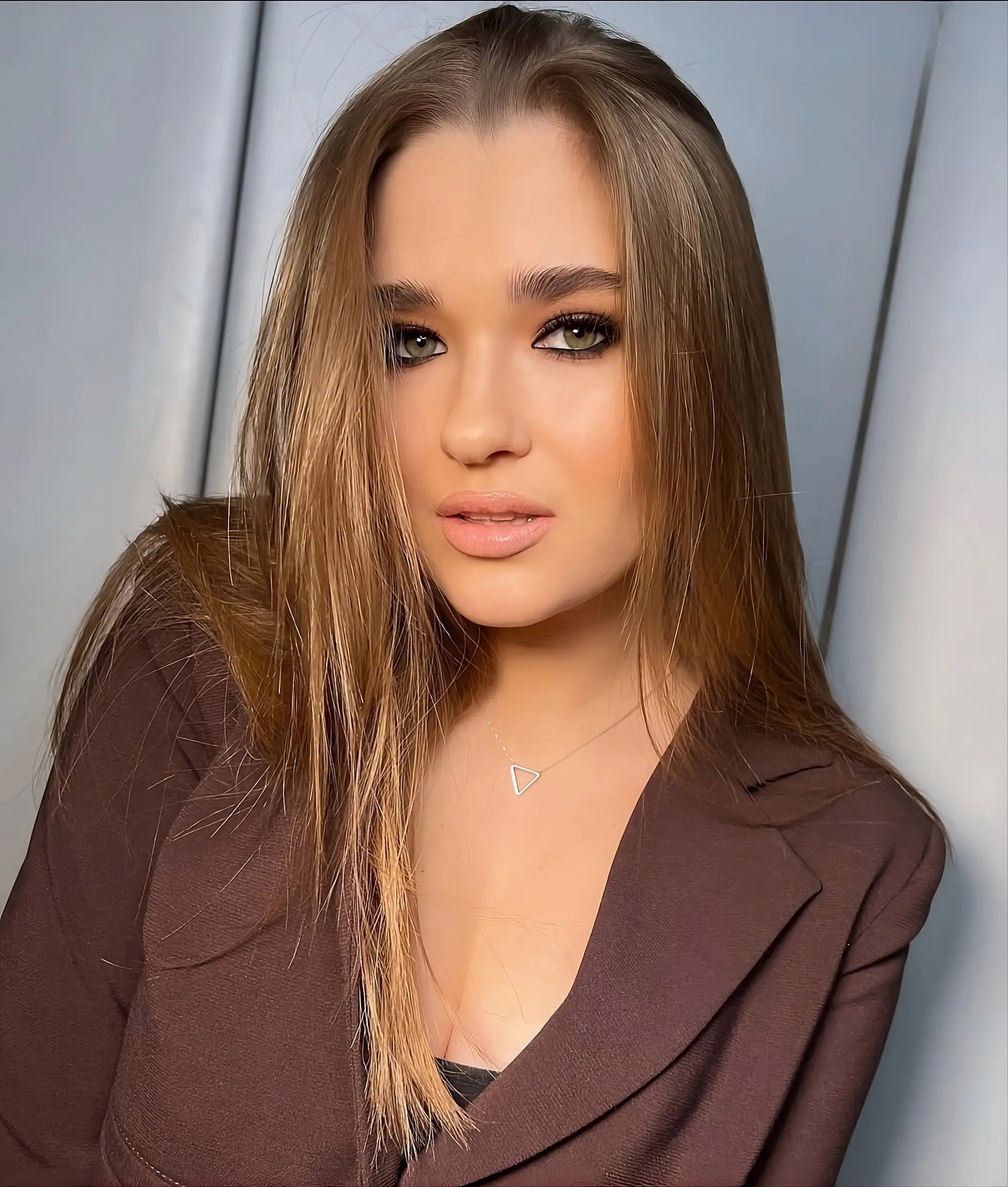
19 Summer Haircuts for Women Over 30 2026: Chic and Modern Hairstyles for a Fresh Look

The Italian Bob is everywhere right now—Simona Tabasco’s been wearing it, stylists are booking it solid through June, and my own feed is basically a carousel of chin-length bobs with that perfect toss-ability. Meanwhile, the Curve Cut’s quietly become the workhorse cut for anyone who wants structure without the daily blowout commitment, and then there’s the Kitty Cut for people who want layers that actually do something. Something shifted in what women over 30 actually want from their hair.
This guide covers summer haircuts for women over 30 in 2026—from the low-maintenance Italian Bob to the more textured Kitty Cut and the jawline-hugging Curve Cut. These aren’t one-size-fits-all Pinterest fantasies; they’re cuts built for oval faces and round faces, for thick hair and fine hair, for the woman who has five minutes in the morning and the woman who actually enjoys styling.
I chopped mine off three years ago and spent the first month second-guessing everything. By month two, I realized I was spending less time fixing my hair and more time actually living my life—which, at 32, felt like the whole point.
Short Textured Crop
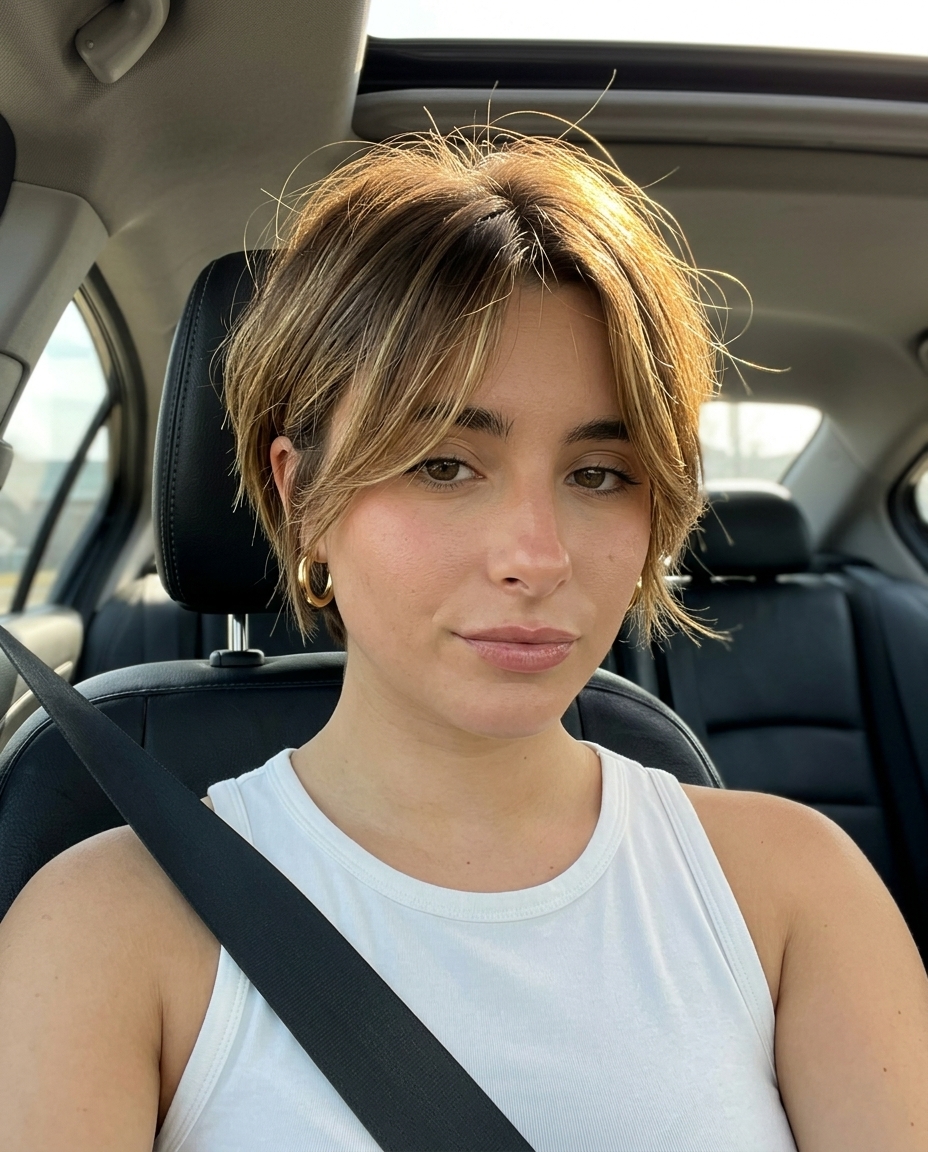
A short textured crop lives in that sweet spot between “I woke up like this” and “I actually styled this.” The short textured crop for women over 30 works by embracing your hair’s natural pattern instead of fighting it. Choppy layers throughout the crown create lift without bulk, and the perimeter stays short enough to feel intentional. This is the cut for people who want low-maintenance energy but still look deliberately groomed—not like you skipped the salon for six months.
Styling took 8 minutes with texturizing cream, achieving defined pieces all day, and that’s realistic without being marketing speak. You apply the product to damp hair, scrunch gently, and either air-dry or use a diffuser if you’re in a hurry. The texturizing cream applied to damp hair enhances natural texture and reduces frizz during air-drying, which means you’re not fighting humidity or spending an hour blow-drying. Not for very thick hair—this method won’t provide enough control—but for fine to medium textures, this approach transforms your styling routine. The cut thrives on texture, rewarding natural movement and actually looking better when it’s slightly undone (or maybe a paste, depending on your preference). Effortless, but effective.
Choppy Shag with Peach Fuzz Copper
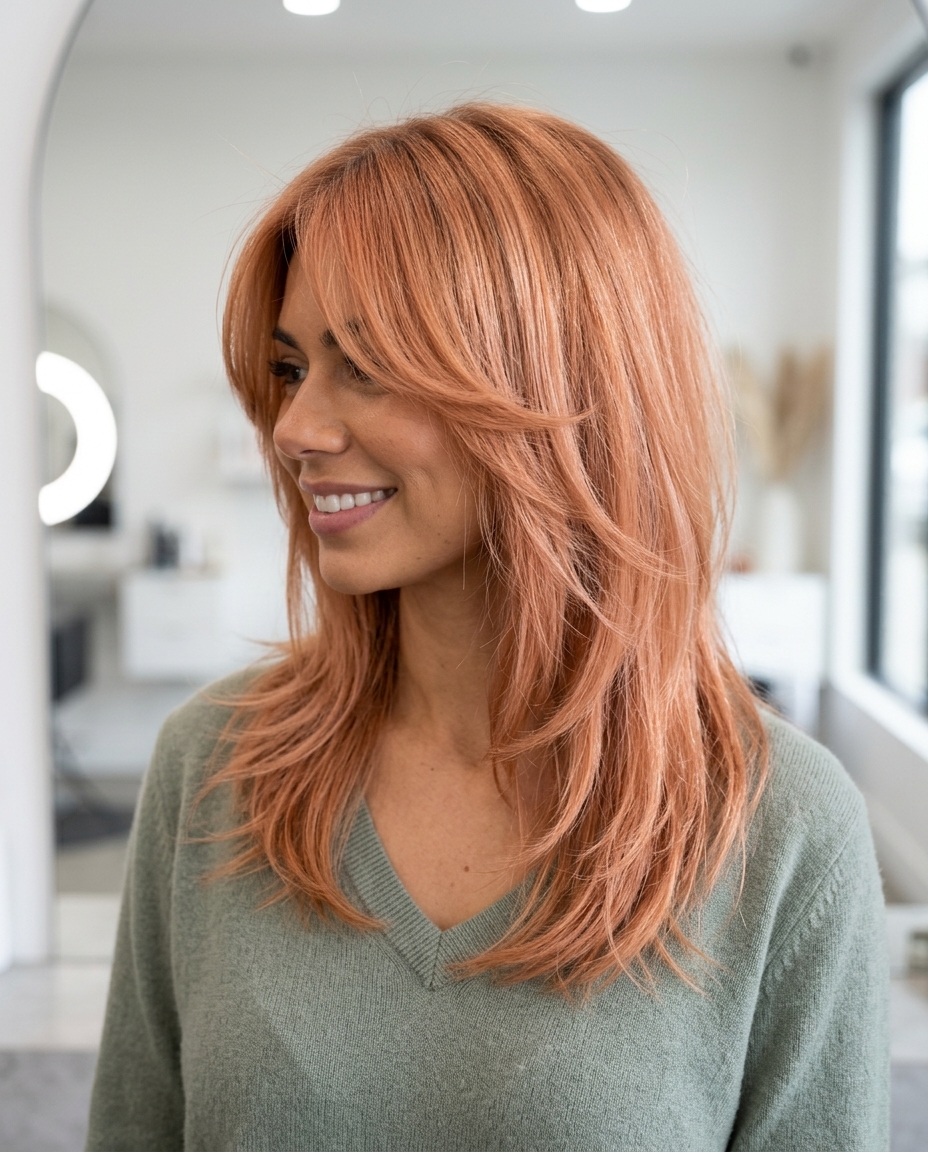
The shag is back, and this version isn’t your mother’s feathery nightmare from 1978. This is a modern shag: shorter layers at the crown for volume, longer choppy pieces throughout, and a deliberate shagginess that reads as intentional rather than unkempt. Pair it with peach fuzz copper hair—a warm, metallic tone that sits somewhere between rose gold and actual copper—and you have a cut that photographs like summer itself.
Choppy layers provided volume and movement for 8 weeks before needing a refresh, which tells you this cut has real staying power. The color, however, needs more frequent attention; that warmth tends to shift toward brassy after 5–6 weeks depending on your water and sun exposure. Point-cutting on the perimeter creates a soft, diffused edge, giving the shag its signature lived-in texture, and that technique is non-negotiable—a blunt-cut shag looks wrong. Avoid if you prefer sleek, polished styles—this cut thrives on texture, which means your styling routine involves actually working with your hair’s movement instead of against it. The copper tone requires regular use of a color-depositing conditioner or weekly glossing masks to extend that peachy warmth. This works best on straight to wavy hair with medium to thick density, where layers can really separate and define shape. ’70s vibe, modern feel (which is all my hair needs).
Long Hair with Birkin Bangs
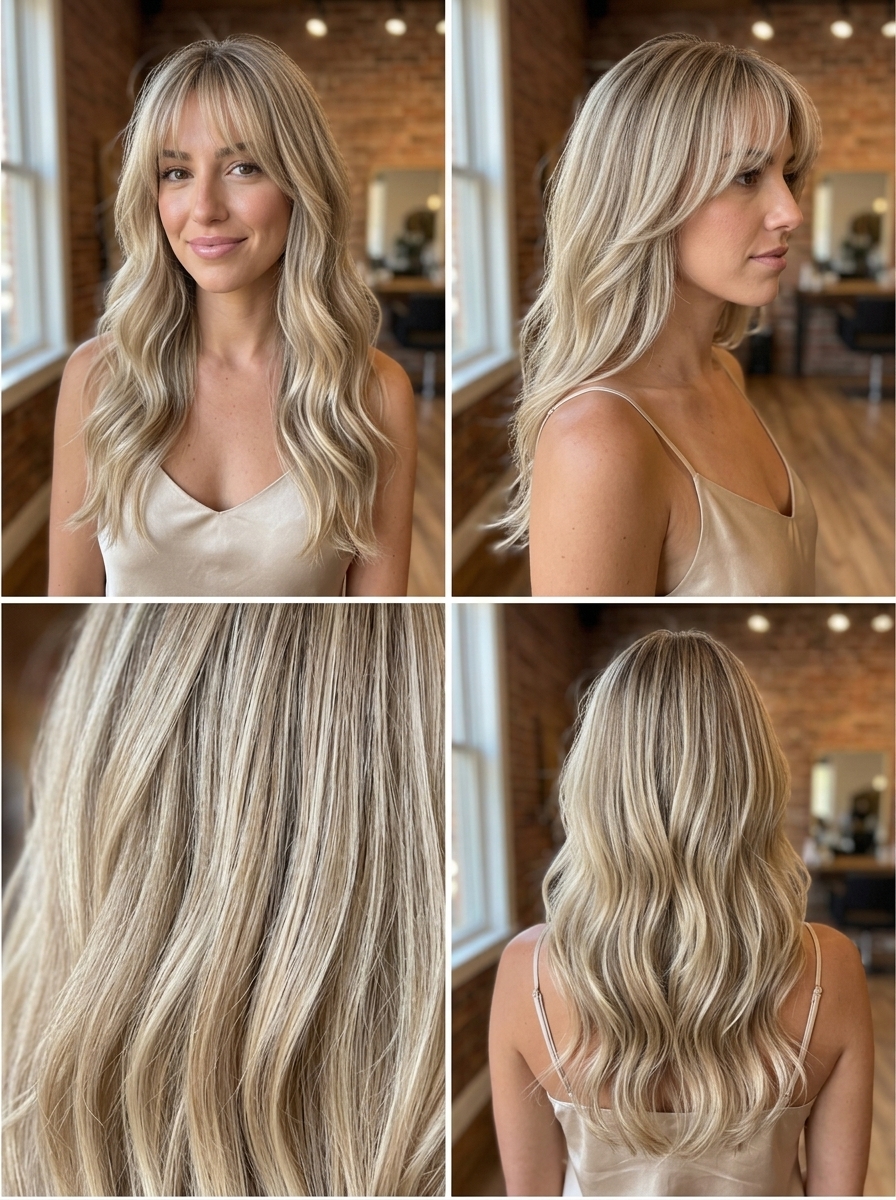
Birkin bangs—those wispy, piecey, almost see-through bangs named after Jane Birkin’s iconic ’70s fringe—have become the antidote to the blunt bang trend. They’re subtle enough to feel modern, nostalgic enough to feel intentional, and flattering enough to work on almost every face shape. You keep your length everywhere else, add these delicate bangs, and suddenly your whole face feels framed in the best way. This cut works best on straight to wavy, fine to medium hair, where the piecey texture reads as soft rather than just thin.
Birkin bangs maintained their wispy, piecey texture for 3 weeks before needing a trim, which is the realistic timeline for this cut—not because they fall apart, but because the intentional shagginess depends on precise point-cutting to maintain that lived-in look. Wispy bangs require daily styling and frequent trims to maintain their delicate look, so this isn’t a “set it and forget it” situation. Point-cutting the bangs creates a piecey, lived-in texture that blends seamlessly into face-framing layers, and that blending is what keeps the whole look cohesive rather than making it feel like someone got too scissors-happy. You can style them with a light texturizing product, a round brush and blow dryer, or even just finger-comb them while damp and let them air-dry. The softness of this cut is its entire appeal, which is why it pairs so well with longer lengths and why it feels right for summer—no heavy styling, just intentional texture. Birkin bangs long hair reads as effortlessly put-together even though there’s real intention behind the shape. Bangs that frame perfectly (my favorite detail).
Collarbone Shag
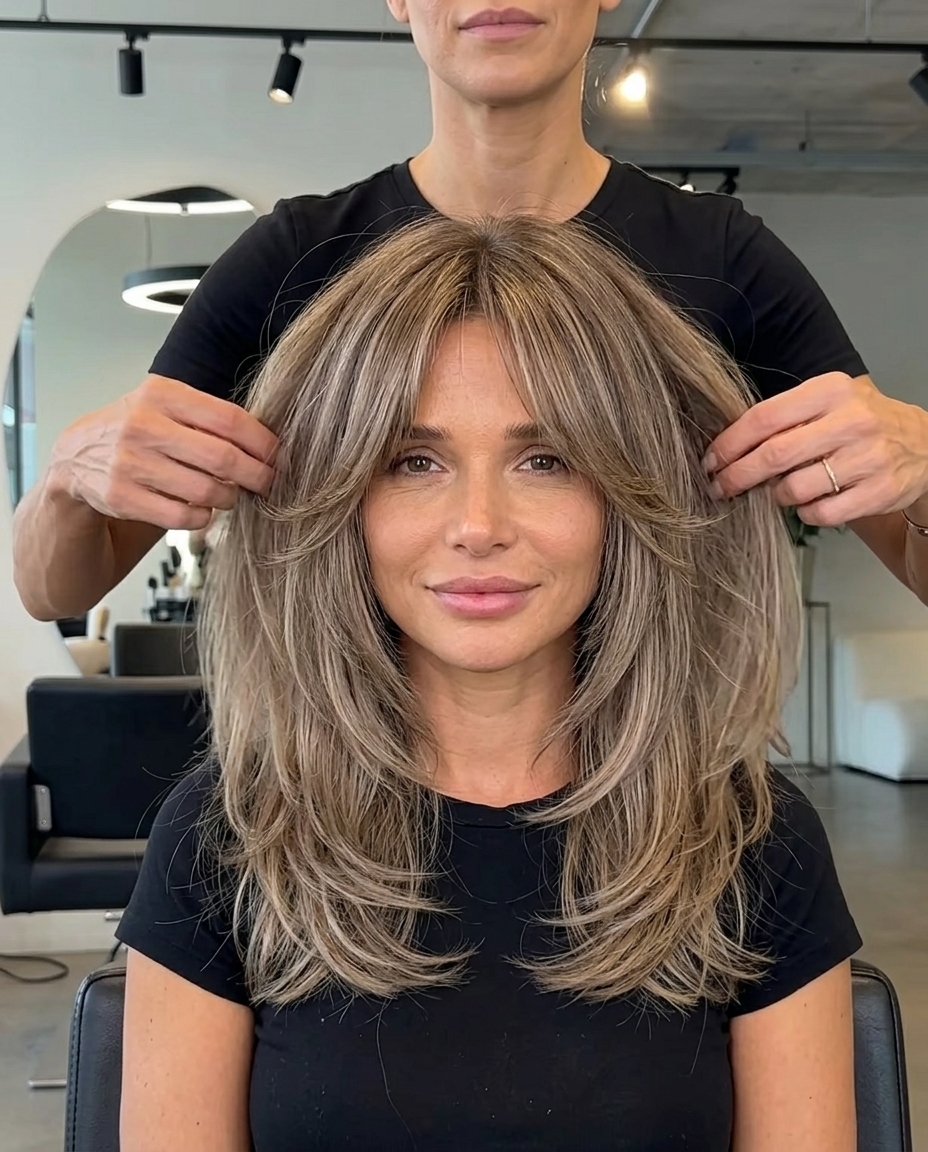
This is the shag for people who swore they’d never do texture. The collarbone shag haircut lands somewhere between “I have a routine” and “I rolled out of bed like this,” which means it actually requires both. Point-cutting and razoring ends create piecey texture, making the shag look effortlessly cool and lived-in. Internal layers maintained volume for 6 weeks without feeling heavy or bulky, even on days when you’re running the blow dryer for exactly ninety seconds. The beauty of this cut is that it works with your hair’s natural state instead of against it.
What makes it tick: you’re not fighting texture here. Wavy to medium textures, fine to thick density—the cut enhances natural texture beautifully because those choppy layers aren’t trying to impose structure. They’re working *with* what you’ve got. Not for very straight hair, though—this cut relies on natural texture to read as intentional rather than undone. The longer pieces at the collarbone hit that sweet spot where you get movement without the commitment of actually long hair. Effortless, lived-in texture.
Linen Blonde Bob
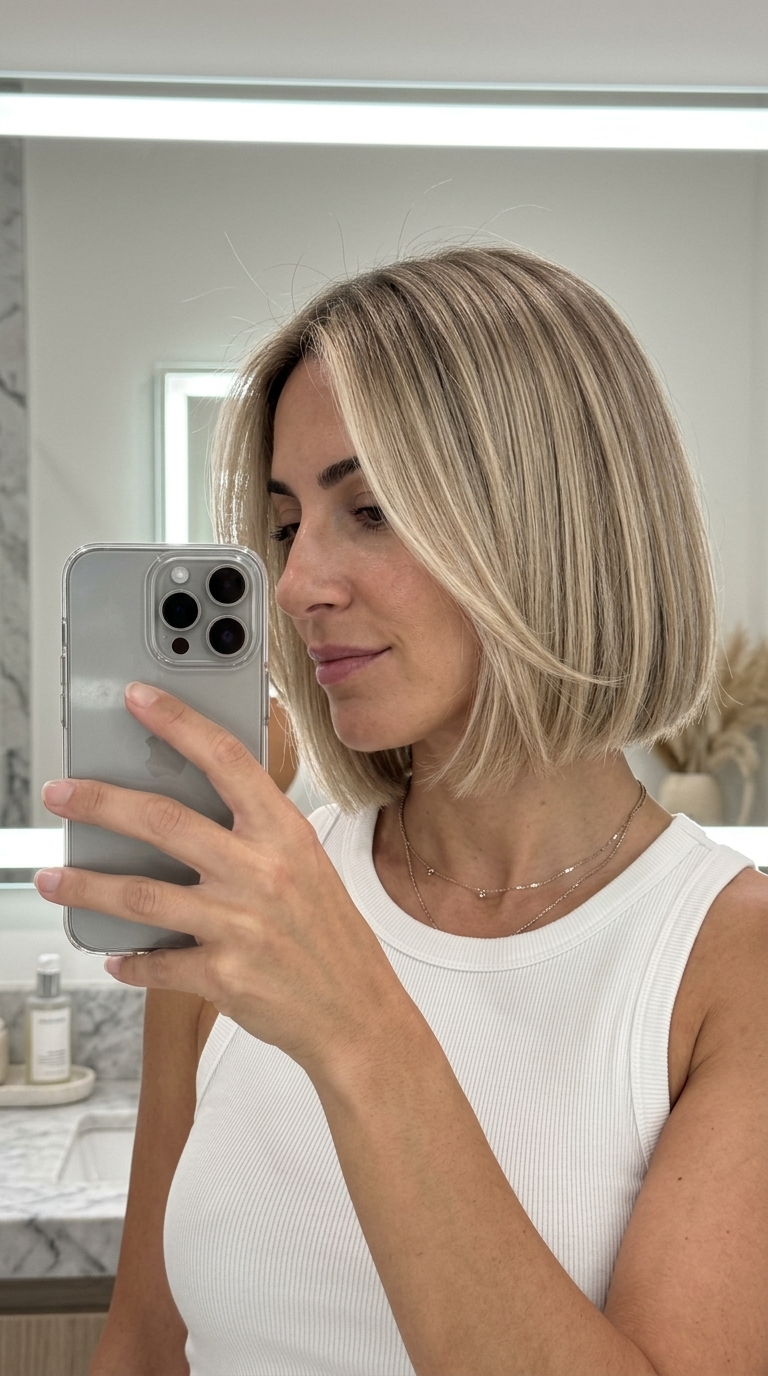
The linen blonde bob is what happens when precision becomes a personality trait. Blunt perimeter held its sharp line for 5 weeks before needing a trim, and that’s the thing about this cut—you’re not getting away with skipping appointments. Invisible internal point-cut layers remove weight, allowing the blunt bob to swing naturally without bulk. It’s the kind of cut that photographs well and also makes you feel like you’re *doing something* with your appearance, worth the precise cut investment. Short, efficient, exactly where it lands.
The blonde is crucial here. This isn’t about trendy platinum or buttery gold; it’s that neutral, almost-linen shade that looks like your hair naturally lives somewhere between warm and cool. Requires precise trims every 4-6 weeks to maintain its sharp, iconic shape. The perimeter is doing all the work, so when it softens, the whole thing reads as tired rather than intentional. But the payoff is real: you get a silhouette that works for office meetings and weekend plans without apology. Chic, precise, French.
Syrup Brunette Shag
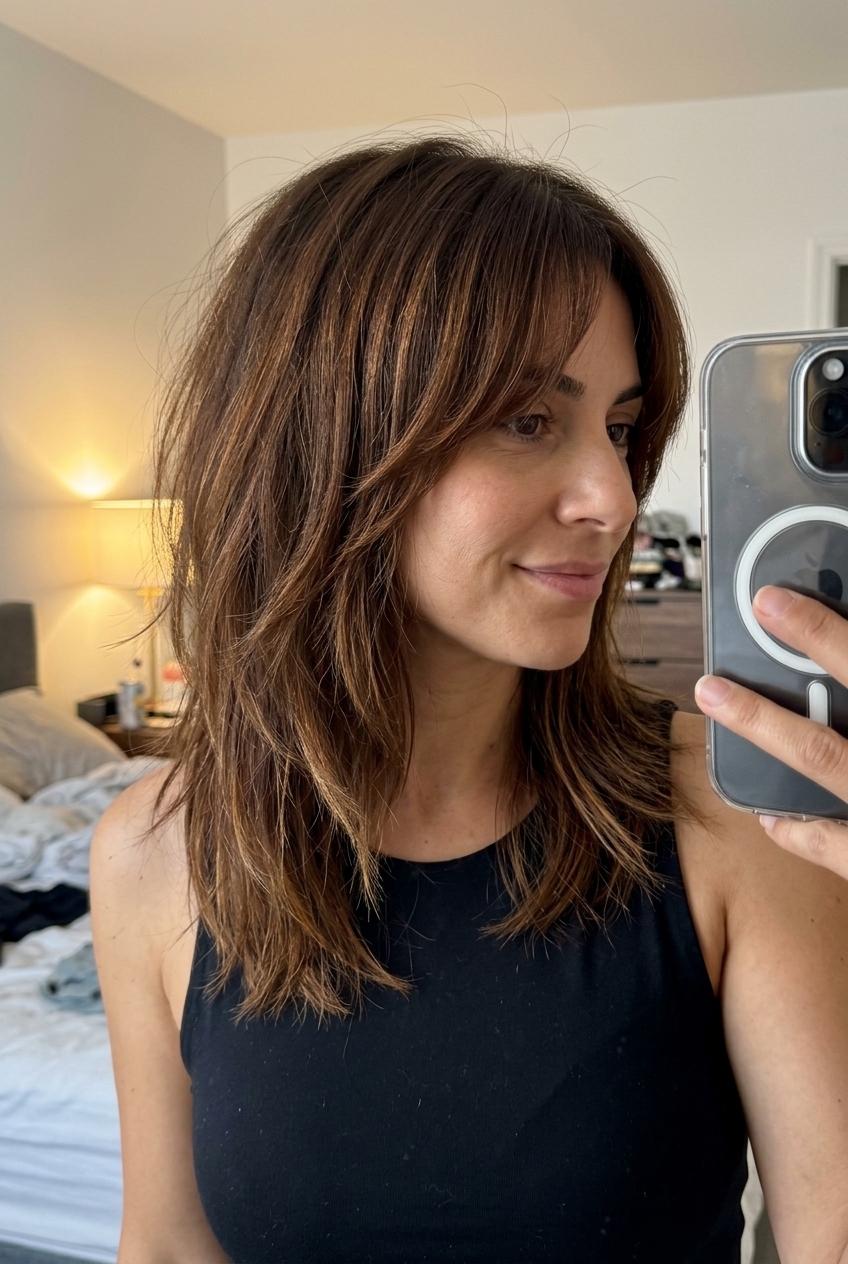
Choppy layers provided consistent volume for 8 weeks with minimal styling effort—which is the entire premise of this cut. The syrup brunette shag is a color-cut partnership where the brunette does something the cut alone can’t: it grounds all that texture and prevents the shag from reading as sparse or thin. Choppy internal layers and point-cut ends maximize texture and volume, defining the classic shag shape. You get dimension without requiring a second trip to the salon for balayage. The color sits somewhere between chocolate and caramel, which means it hides regrowth better than blonde does and doesn’t demand the same precision maintenance schedule.
This is the shag that works hardest for thick hair. Fine, straight hair gets lost in all those layers—skip if you have that texture. The styling is minimal once you understand the movement: texture paste through the lengths, maybe a quick dry with your fingers. Makes morning styling so much faster than you’d expect for something that looks this deliberately shaped. The volume is everything.
Long Layered Haircut
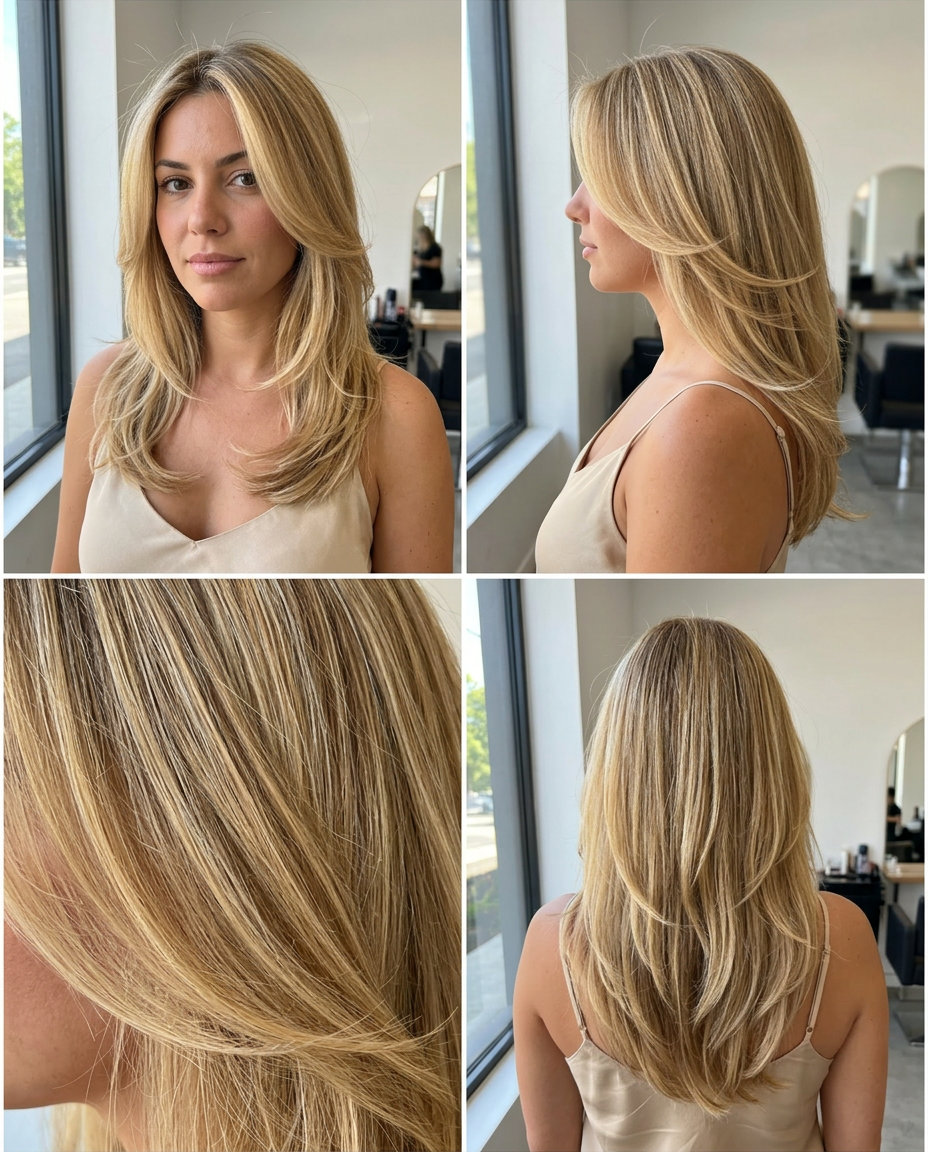
Waterfall layers grew out gracefully for 4 months without looking shapeless or heavy—which means you’re not committing to monthly maintenance to keep this working. Long layered haircuts for summer are the compromise cut: you keep the length, you gain the movement, and your hair doesn’t look like it’s just sitting on your shoulders waiting for something to happen. Waterfall layers create movement and a soft V-shape, preventing long hair from looking flat or bulky. The layers start at the collarbone and flow down, so even when your hair grows, the shape remains intact. You’re working with your natural growth rather than fighting it.
Summer specifics matter here. Longer hair picks up heat and humidity, so the layers prevent that dense, heavy feeling you get when you’ve got an uncut length in July. The cut takes maybe five weeks before you start noticing the shape soften, and worth the consultation for length because a stylist needs to see where your layers should actually start. This is the one for people who tried short, missed their length, and want something that actually photographs well and moves. Movement for days.
Textured Pixie Crop
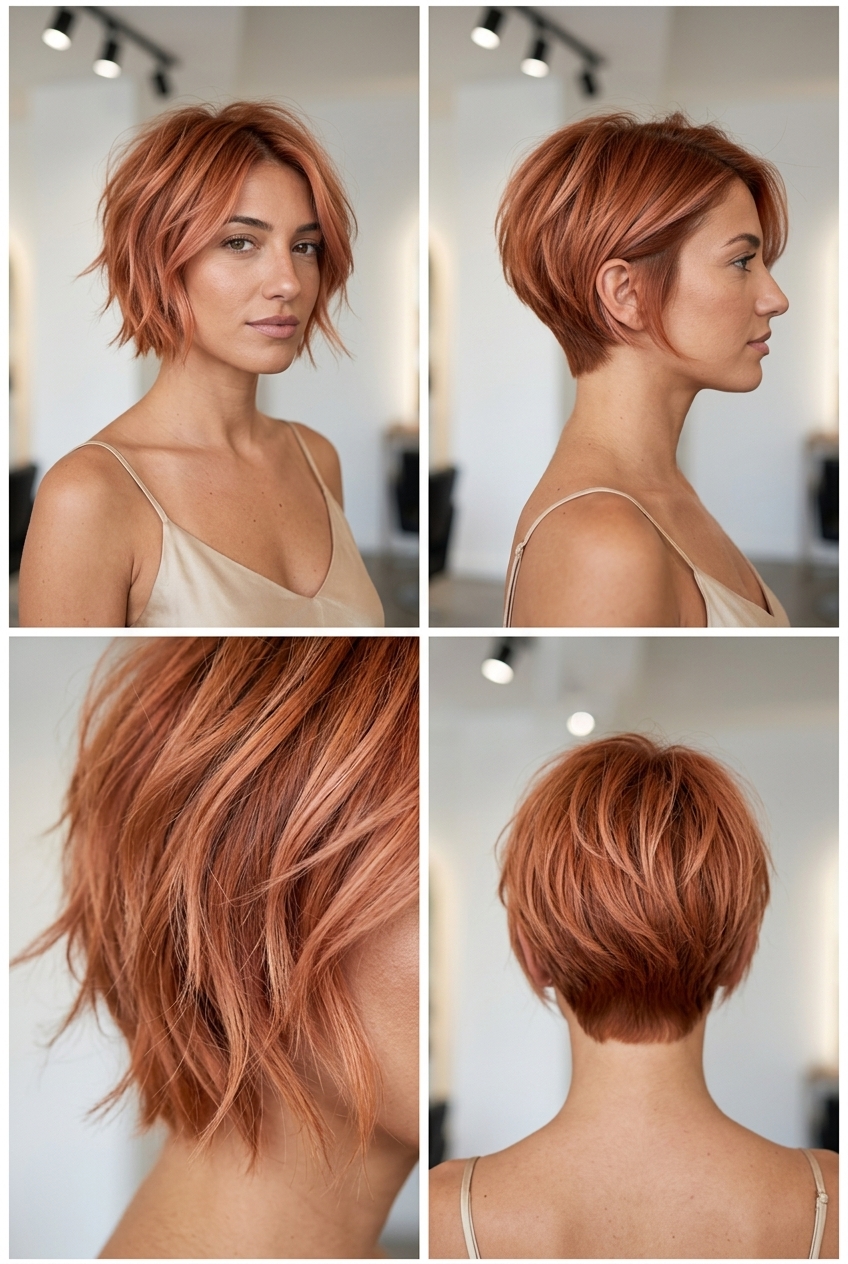
Textured crop held its edgy shape for 3 weeks before needing a quick clean-up trim—which is honestly less frequent than you’d think for something this short. Disconnected layers and razoring create maximum texture and volume, giving the crop an edgy, modern feel. The cut works on straight to wavy hair, fine to medium density, because the texture is coming from the technique, not the hair’s natural state doing the work. This isn’t a blunt pixie that demands precision; it’s a fragmented, piecy version that actually *wants* some frizz and texture breaking the line. The peach fuzz copper pixie color is the wild card—that warm, metallic tone that reads as intentional rather than accidental fading.
Here’s what kills the vibe: trying to smooth this out. You’re blow-drying for texture, using a texturizing paste through the crown, letting those choppy layers catch light and air. Requires frequent 3-4 week trims to maintain the crisp fade and defined texture, or maybe a slightly longer top. The fade needs cleaning, the texture needs sharpening, but you’re talking 15-minute appointments, not the salon production that longer cuts demand. Bold and edgy.
Air Dry Layered Haircut
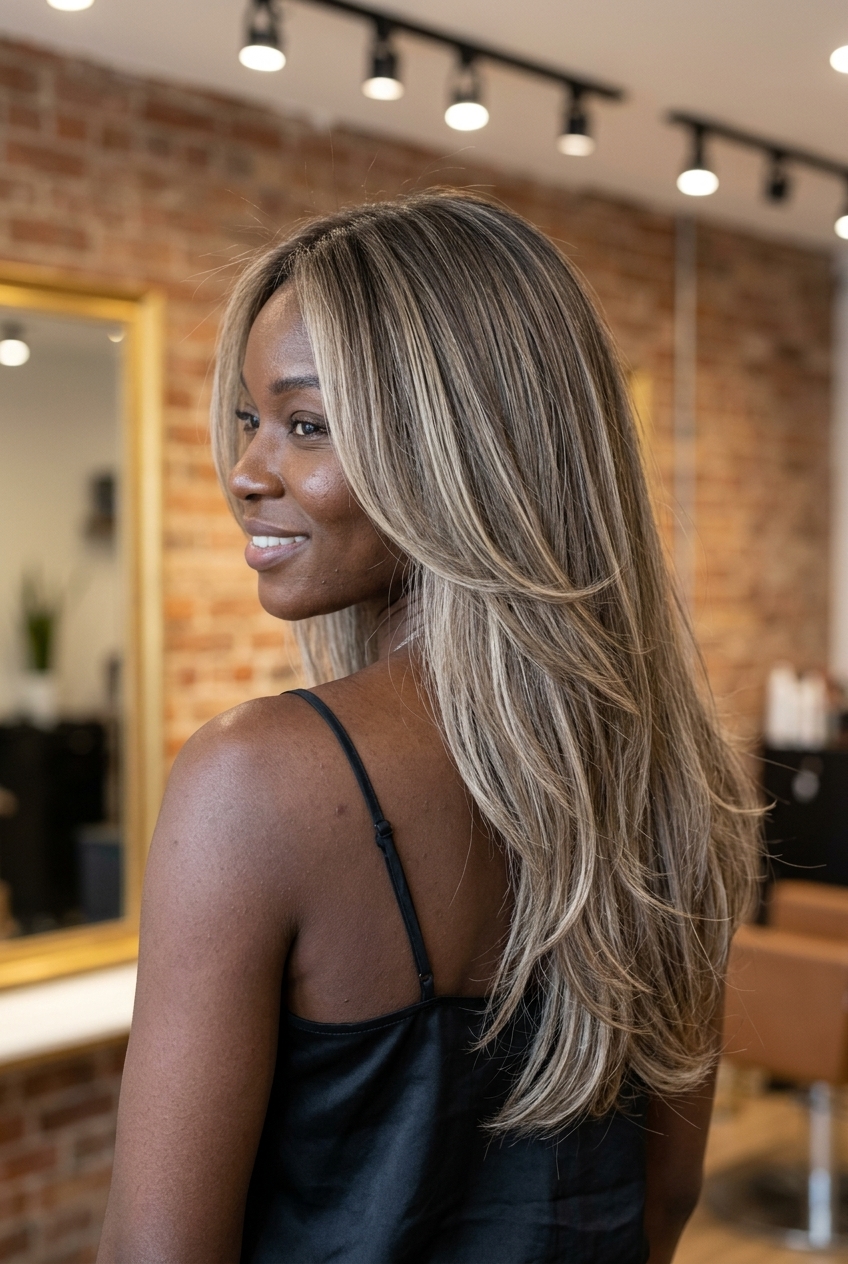
The air dry layered haircut is built for people who dry their hair exactly zero times a week. Invisible internal layers remove weight without visible steps, enhancing natural wave and movement. This is what happens when a stylist respects your texture instead of fighting it. Every. Single. Time. Your hair probably waves naturally and you’ve ignored it for years because you thought you needed a flat iron—this cut says stop doing that.
Invisible layers encouraged natural wave pattern for ten weeks between trims, which means your growth timeline is genuinely generous. The cut works because the stylist removes weight progressively, creating a soft graduation that doesn’t announce itself. You’re not asking for visible face-framing; you’re asking for invisible architecture that lets your natural movement do the talking, which is all my thick hair can handle. Requires patience for length if starting shorter than collarbone, so if you’re growing out from a chin-length bob, expect a slightly awkward four-week zone where it hangs weird.
Styling is minimal—a texturizing cream on damp hair, maybe a diffuser on the roots, then air dry. The benefit reads different in person than in photos because movement is the entire point. Effortless, truly.
Mid-Length Shag for 30s

The mid-length shag for 30s is the modern shag, not the seventies approximation your mom has been suggesting since 2022. Diffused internal layers throughout the crown create natural volume and texture, making styling easier, and yes—there are curtain bangs, or maybe a little shorter, honestly. Crown volume lasted six weeks with minimal product, requiring only root refresh. Shag doesn’t mean “I have no cut structure”—it means the layers are intentional enough to create movement but blended enough to avoid looking fragmented.
The styling philosophy shifts here. You’re not flat-ironing this. You’re working with texture, not against it. A sea salt spray on damp roots, scrunch while it dries, and you’re done. The bangs separate the people who want to commit from the people who just want to look like they did. Avoid if you dislike bangs—grown-out curtain bangs need styling, which defeats the whole purpose of a low-maintenance shag if you’re not interested in that upkeep.
Straight to wavy hair shows movement best, though fine to medium density hair gets the most benefit. Thick hair can pull this off too, but expect your stylist to spend extra time on the diffused layering so it doesn’t look matted or too heavy. The modern shag.
C-Cut Haircut for Straight Hair
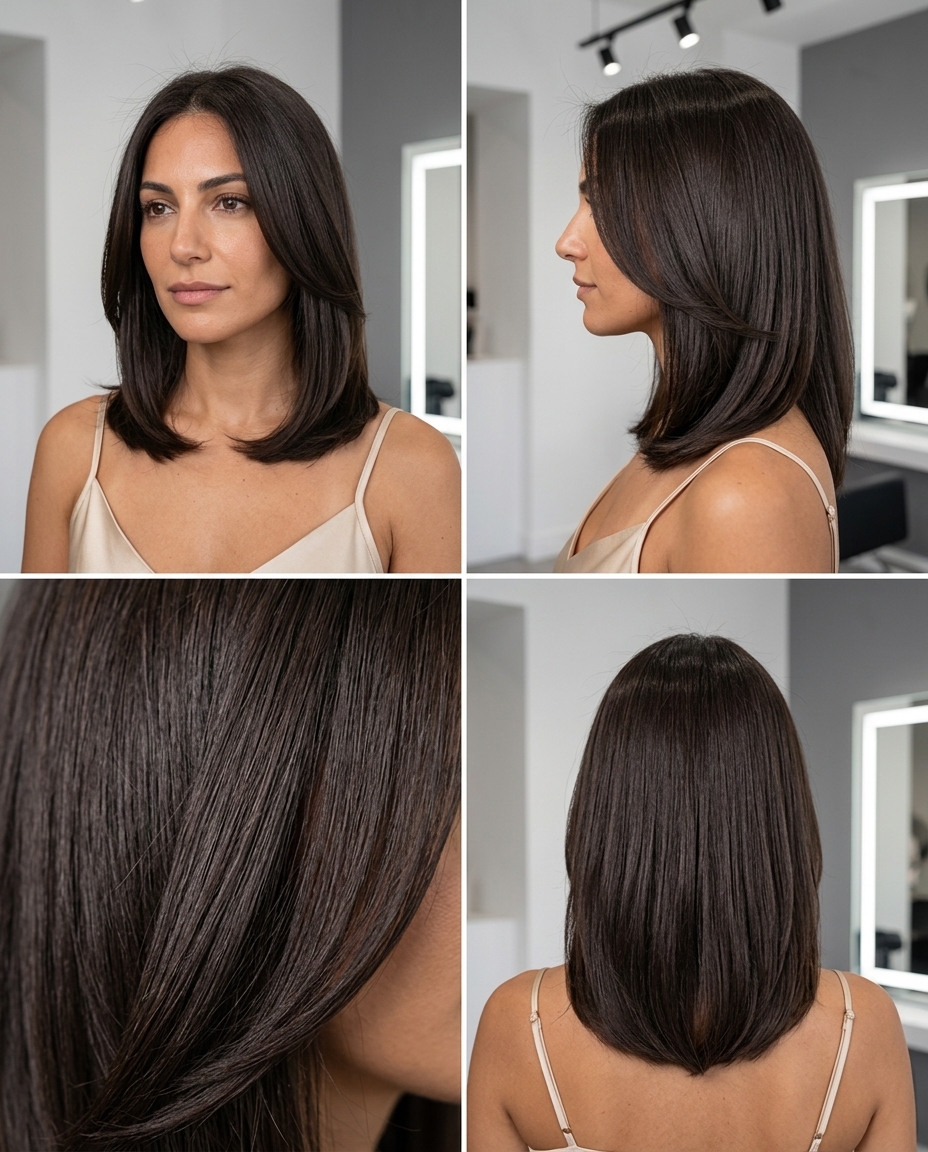
The c-cut haircut for straight hair is structured enough to feel intentional but curved enough to avoid looking robotic. Internal point-cutting adds subtle movement to a blunt perimeter, preventing a blocky, heavy look. Straight hair gets a bad reputation for being boring, but this cut makes straight hair feel like an asset instead of a limitation. The curve happens gradually—it’s not an obvious C unless you’re paying attention, which is the entire point.
Inward-curving layers held shape for five weeks with round brush styling, so your blow-dry investment pays off visually. This is the cut for people who actually like blow-drying and want the styling time to feel purposeful rather than obligatory. The shape depends entirely on how you dry it, which is either exciting or frustrating depending on your relationship with heat tools. Blunt perimeter needs frequent trims to maintain healthy, dense appearance, so probably worth the consultation at least—ask your stylist about the taper frequency before committing.
Straight to slightly wavy hair gets the most read from this cut; curly textures need adapting. The fineness of your hair matters here too. Fine hair holds the curve beautifully; very thick hair might need undercut support so the layers aren’t too heavy. Sleek and sophisticated.
Sculptural Pixie Cut Over 30
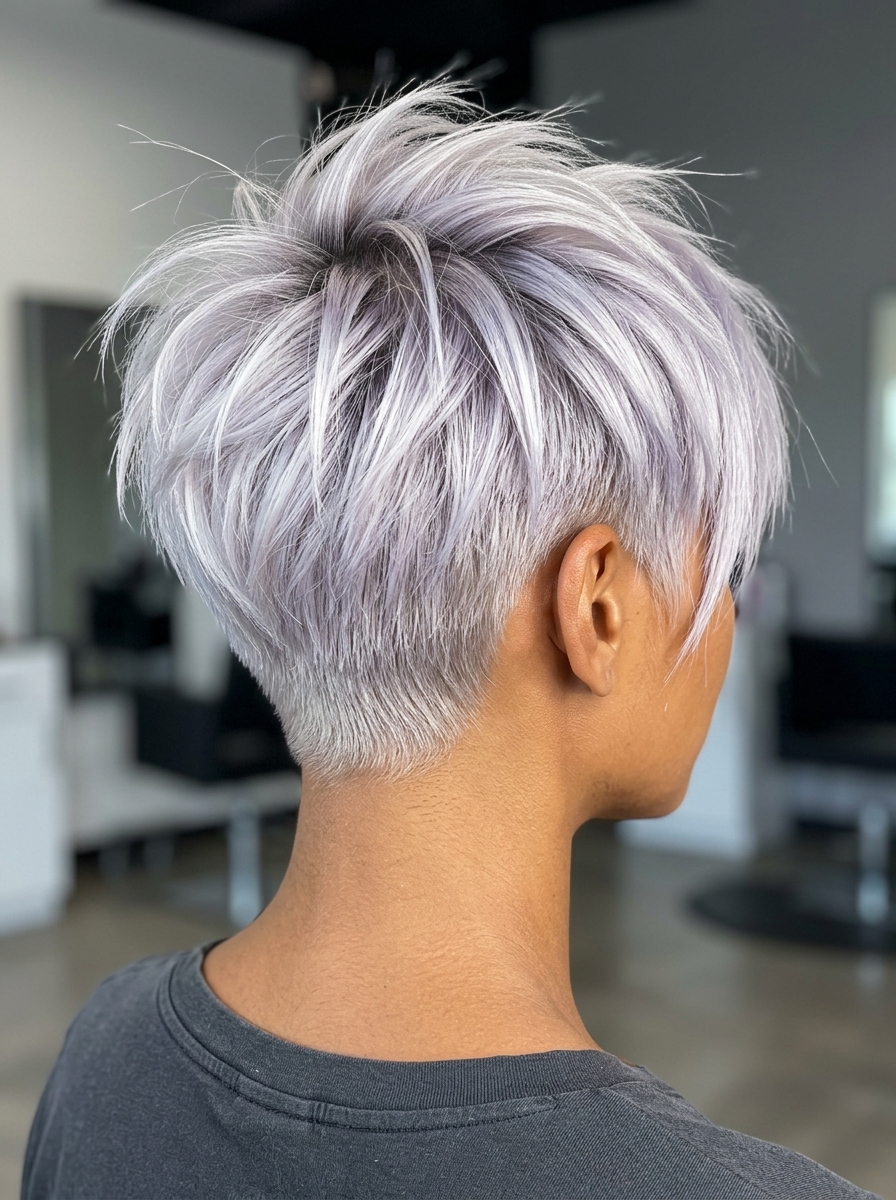
The sculptural pixie cut over 30 is for people ready to stop auditioning for a shorter cut and actually commit to one. Heavy point-cutting on top creates piecey, spiky texture for versatile, edgy styling options. This isn’t a “wash and wear” pixie—it’s a cut that asks you to engage with your hair, which isn’t wrong, it’s just honest. Razored sides stayed clean for three weeks before needing a quick taper touch-up, so the maintenance rhythm is weekly or biweekly depending on how you feel about growing edges.
The texture on top makes all the difference. You’re not aiming for a smooth, polished pixie; you’re creating a textured crown that can go spiky with pomade, softer with cream, or tousled with your fingers. Fine to medium hair density works best here (the ultimate confidence boost), though very thick hair can pull it off with an undercut that removes bulk at the nape. Styling typically means a texturizing product applied to damp roots, then blow-dry or air dry depending on the effect you want.
Skip if you prefer low-maintenance—this cut requires daily styling, which is the trade-off for the visual impact. Summer light reads this cut differently than winter; the shape seems sharper in bright daylight and softer in indoor light. Bold statement cut.
Long Layered Waves
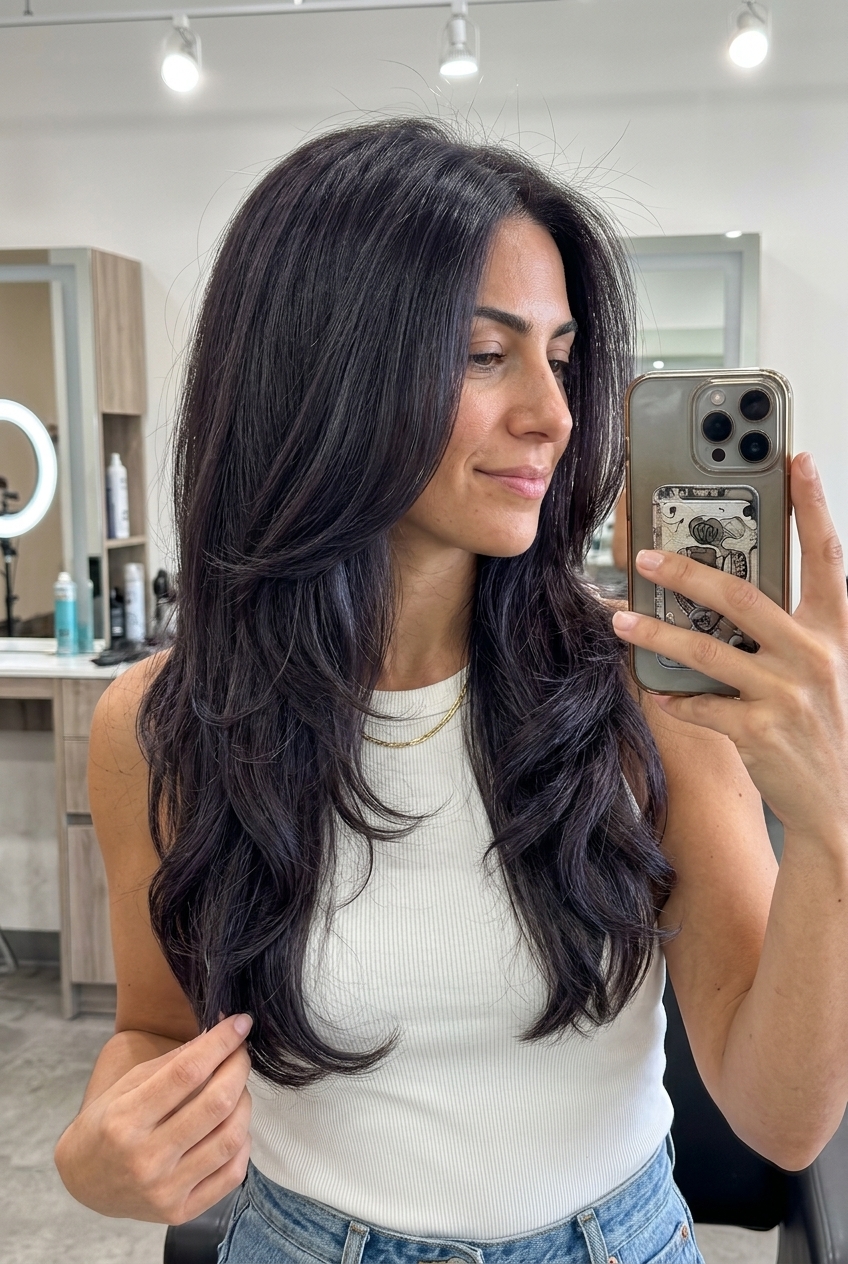
Shoulder-length or longer, loaded with internal layers that don’t announce themselves. This is the cut that works when you’re not ready to commit to short hair but tired of hauling around one-length weight. Point-cutting the ends prevents a heavy blunt line, ensuring layers blend seamlessly and move naturally, which is why layers grew out gracefully for 4 months without looking shapeless or heavy. The internal work matters more than the length here—the stylist is removing weight strategically, not slashing randomly.
Best with a texturizing product (if you have the length for it), though air-drying gives decent movement on wavy hair. Fine to medium density, straight to wavy—this adapts. The longer you keep it, the more the layers need maintenance, but the payoff is a cut that literally works harder for you than a one-length style ever could. Long layered waves for 30s hit different when they’re actually shaped, not just grown out. Pure hair goals.
C-Cut for Wavy Hair
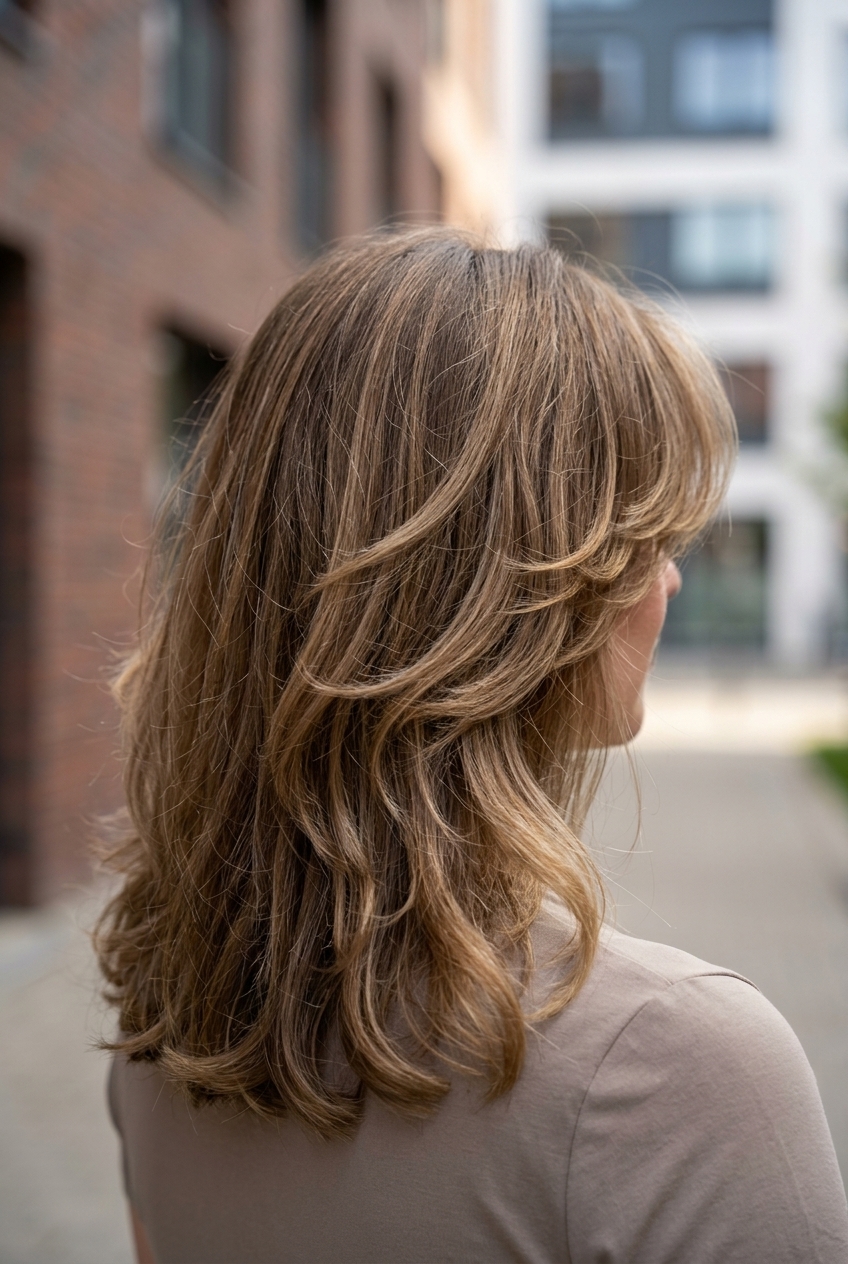
A mid-length cut shaped specifically to curve around the jawline, creating a soft ‘C’ silhouette when styled. The name sounds precious, but the cut is practical: face-framing layers perfectly curved around the jawline after air-drying, assuming your hair actually cooperates. Internal point-cutting removes bulk, encouraging natural movement and the signature ‘C’ shape around the face—which means you’re not fighting the cut every single day. This cut needs specific styling to achieve the ‘C’ shape, so it’s not entirely hands-off.
But for wavy or slightly curly hair, the geometry matters. Chin-length or slightly longer, the layers sit in a way that catches light and doesn’t collapse under its own weight. Kitty cut for wavy hair feels like a category nobody asked for until they got it right. It photographs well, grows out soft, and doesn’t require obsessive maintenance like a blunt bob does. So soft, so chic.
Undercut Pixie
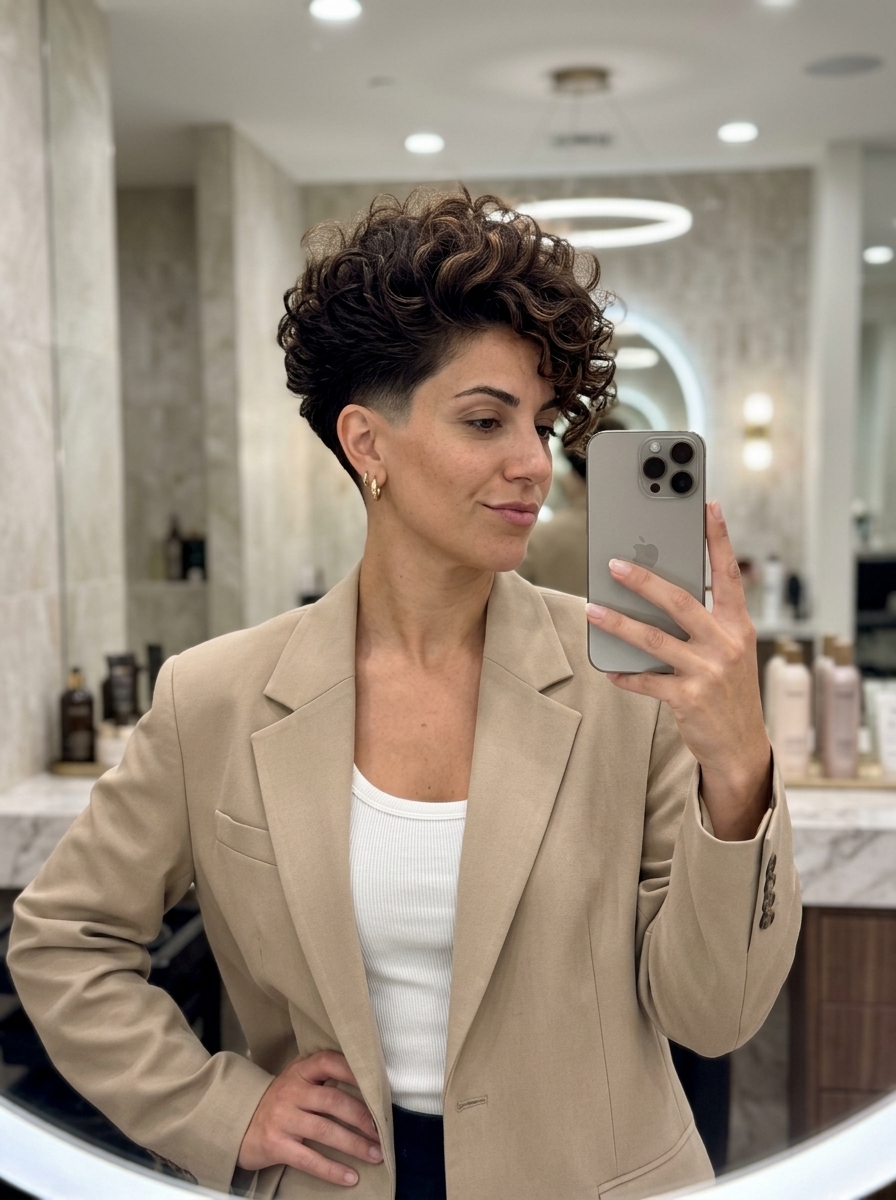
If your curls have been doing the heavy, undefined thing for years, an undercut pixie might be the actual solution nobody told you about. Internal layers in dense curls are a game-changer—they reduce bulk without sacrificing the bounce. The way this works is straightforward: instead of one thick mass of hair, you get strategic internal layers that let each curl define itself. Internal layers maintained curl definition for 4 weeks without heavy product buildup, which means you’re not relying on creams and gels to do all the work. Internal layering reduces bulk in dense curls, allowing for lighter, more defined natural bounce and shape—that’s the principle behind why this cut actually *functions* differently than a standard pixie.
The undercut itself keeps sides and back clean and intentional (the best $30 I’ve spent on hair). But here’s the reality: bi-weekly trims are non-negotiable. Undercut requires bi-weekly trims to maintain clean lines and prevent awkward grow-out. Between appointments, your edges will start to look less sharp, less intentional. That’s not a flaw in the design—it’s just the math. If you’re into precision and maintenance, that’s your jam. If you’ve been ignoring root touch-ups for eight weeks, this isn’t the move. Finally, a pixie that moves.
Long Layered Waves
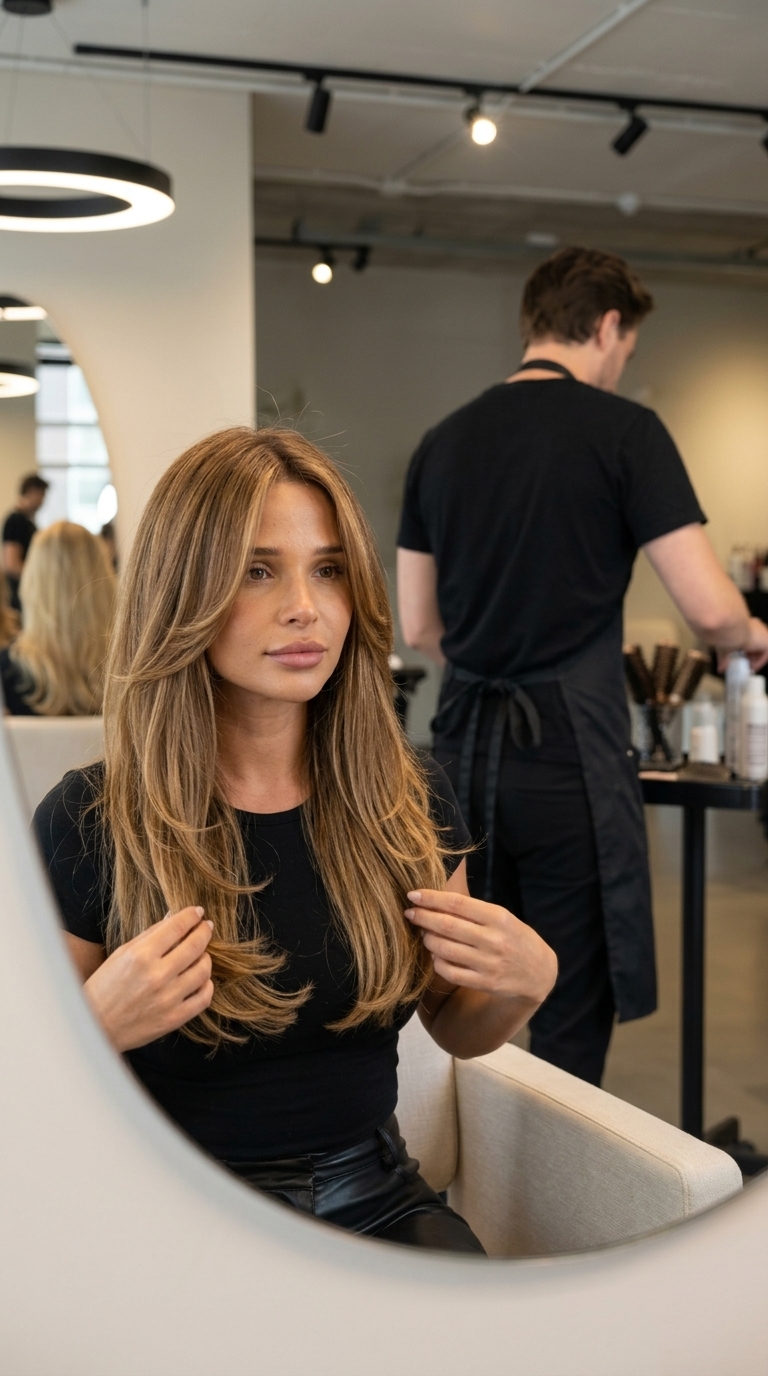
Long hair doesn’t have to read as flat or heavy, and crown layers are the proof. Point-cut interior layers create texture and bounce, preventing long hair from looking flat and heavy—that’s the mechanism that makes this work. Crown layers provided noticeable lift for 3 days after blow-drying without heavy product, which is all my fine hair can handle. The layers start at the crown and travel down, creating volume where it matters most. When you blow-dry, the shorter pieces around the crown catch air first, lifting everything up. Longer pieces at the perimeter add movement and flow without vanishing into thinness.
This is not for very fine hair—layers might remove too much volume. But for medium-density hair with any wave or natural texture, it’s the closest you’ll get to looking like you have thick hair without actually needing thick hair. Styling is simple: blow-dry, maybe a texturizing paste if you’re feeling it, and you’re done. The movement is everything.
Choppy Shag with Peach Fuzz Copper
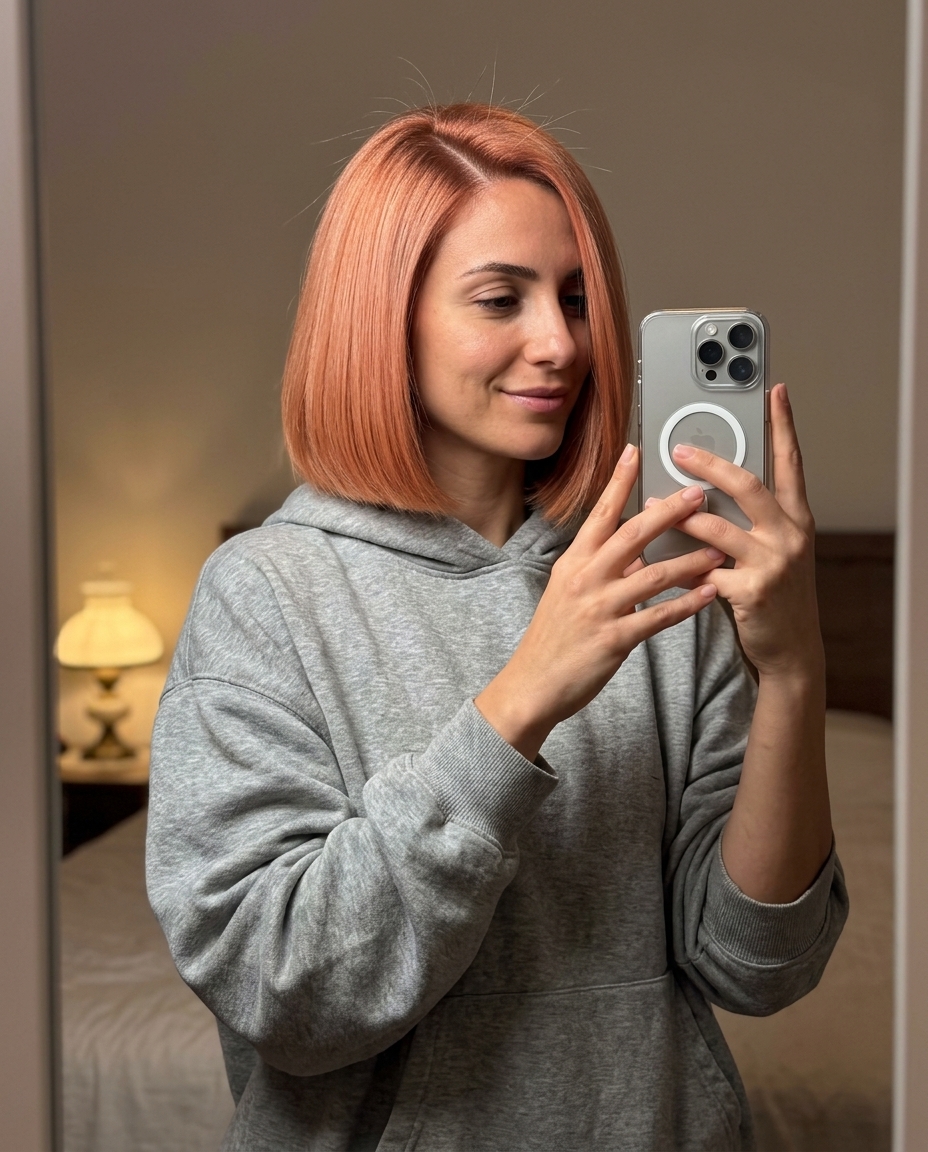
A shag this intentional demands respect—and that respect shows up in the salon chair. The copper color reads vibrant and warm, especially against summer skin, and the choppy layers create texture that feels alive. A blunt perimeter creates a solid, weighty line for a sleek, polished, and sophisticated silhouette—that’s why the bottom edge feels so intentional, so defined. Blunt perimeter held its sharp line for 5 weeks before needing a trim, which means you get a full month of that precision aesthetic before fading sets in. The choppy layers throughout break up any stiffness, so you’re not walking around looking frozen. You get movement within structure, or maybe just commitment, honestly.
The color maintenance is real: vibrant copper hair over 30 fades faster than you’d expect, especially with sun exposure. Plan for color refreshes every 4 weeks if you want that glow to stay intense. This precise cut demands frequent trims to maintain its sharp, polished silhouette. But if you’re already committed to a maintenance routine—regular trims, color touch-ups, styling product—this shag feels worth the effort. Sharp, sleek, and chic.
Baroque Bob

Italian bobs sit in this interesting space—they look almost simple until you realize how much technical work is actually happening underneath. Invisible layering in an Italian bob encourages movement without sacrificing density or fullness, which is why the silhouette reads full and intentional even though it’s lighter than it looks. Heavier perimeter allowed for effortless ‘toss-ability’ daily without restyling, meaning you can actually leave the house and not think about your hair for most of the day. The cut sits right around chin length, just long enough to feel feminine and grown-up, short enough to feel current. You can air-dry it or blow-dry it; both work.
The price for this cut varies—salon range usually lands between $120 and $180 depending on where you live and how experienced your stylist is. That’s not cheap, but it’s also not the $300 salon investment some cuts demand. What you’re paying for is technical precision: the stylist has to understand how to layer invisibly, how to create movement without making the cut look choppy. If you find the right person, you’re investing in a cut that grows out gracefully and works for multiple seasons. Worth every penny.
Long Layered Haircut
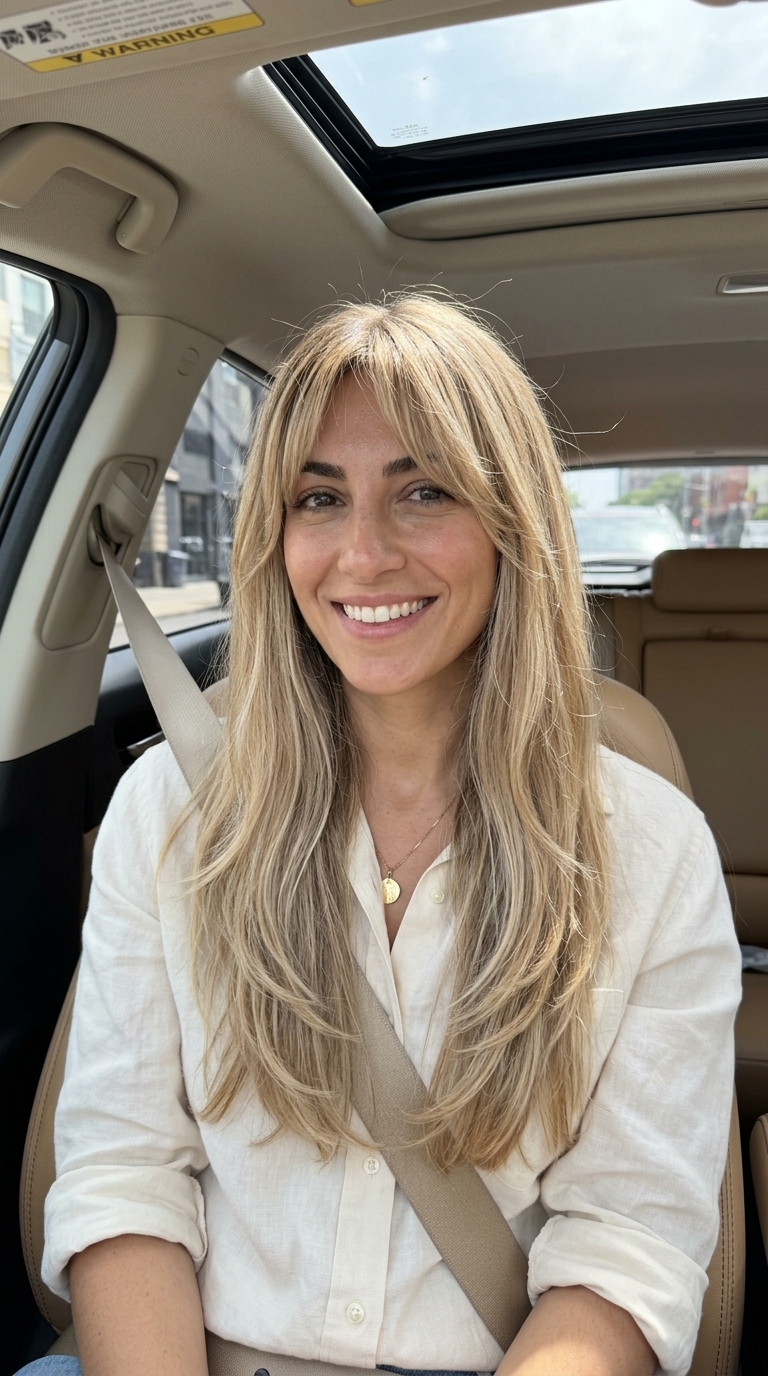
Birkin bangs changed the game because they’re not actually bangs in the traditional sense—they’re just longer face-framing layers that happen to cover your forehead in the most flattering way possible. Face-framing layers starting at the chin blend seamlessly, enhancing natural flow and movement, which is why this doesn’t read as two separate pieces (bangs + hair) but instead one cohesive shape. Birkin bangs maintained their wispy shape for 2 days with minimal dry shampoo, which means you’re not restyling them constantly. The layers underneath continue down to create a textured, lived-in effect. This works best on fine to medium density, straight to wavy hair where the layers can actually move and create visible separation.
The catch is real: avoid if you only air-dry—these bangs need blow-drying to look right (yes, the short one). If you’re blow-drying anyway, add five minutes to your routine and you’ll get the exact effect you want. The bangs make this.
Still Deciding? Here’s a Quick Comparison
| Hairstyle | Difficulty | Maintenance | Best Face Shapes | Pros | Cons | |
|---|---|---|---|---|---|---|
| Edgy & Textured | ||||||
| 2. The Effortless Textured Crop | Easy | Low — every 4-6 weeks | oval, heart, long | Low maintenanceEasy to style at homeSuits most face shapes | Not ideal for very curly hair |
| 3. The Peach Fuzz Shag | Moderate | High — every 4-5 weeks | all face shapes | Works on multiple texturesLayers add movementFlattering face-framing | Frequent salon visits needed |
| 6. The Textured Mushroom Bronde Shag | Moderate | Medium — every 8-10 weeks | all face shapes | Works on multiple texturesLayers add movementFlattering face-framing | Not ideal for very curly hair |
| 10. The Peach Fuzz Textured Crop | Moderate | High — every 4-6 weeks | oval, heart, square | Suits most face shapesWorks on multiple texturesLayers add movement | Frequent salon visits needed |
| 15. The Sculpted Ice Pixie | Moderate | High — every 4-6 weeks | oval, heart | Works on multiple texturesTextured, lived-in finish | Frequent salon visits needed |
| 21. The Sculpted Curl Undercut | Moderate | Medium — every 3-4 weeks | round, square, heart | Suits most face shapesWorks on multiple texturesSubtle sun-kissed effect | Not ideal for fine hair |
| Classic & Clean | ||||||
| 5. Long Waves with Birkin Bangs | Moderate | Medium — every 3-4 weeks | long, oval, diamond | Suits most face shapesWorks on multiple texturesLayers add movement | Not ideal for very curly hair |
| 7. The Linen Chic French Bob | Moderate | Medium — every 6-8 weeks | oval, heart, square | Suits most face shapesWorks on multiple texturesLayers add movement | Not ideal for very curly hair |
| 8. The Sun-Kissed Syrup Shag | Moderate | Medium — every 8-10 weeks | all face shapes | Works on multiple texturesLayers add movementNatural-looking dimension | Not ideal for very curly hair |
| 9. The Summer Waterfall Layers | Moderate | Low — every 10-12 weeks | All face shapes | Low maintenanceSuits most face shapesWorks on multiple textures | Not ideal for very curly hair |
| 13. The Relaxed Mid-Length Shag | Easy | Medium — every 8-10 weeks | All face shapes | Easy to style at homeSuits most face shapesWorks on multiple textures | Not ideal for very curly hair |
| 14. The Sleek Summer Curve Cut | Easy | Medium — every 8 weeks | square, rectangle, oval | Easy to style at homeSuits most face shapesWorks on multiple textures | Not ideal for very curly hair |
| 18. Midnight Espresso Glam Waves | Moderate | Medium — every 8-10 weeks | oval, long, diamond | Suits most face shapesWorks on multiple texturesLayers add movement | Not ideal for very curly hair |
| 19. The Summer Kitty Cut | Moderate | Medium — every 8-10 weeks | heart, round, oval | Suits most face shapesWorks on multiple texturesLayers add movement | Not ideal for very curly hair |
| 23. The Peach Fuzz Summer Bob | Moderate | High — every 4-5 weeks | oval, square, long | Suits most face shapesWorks on multiple texturesLayers add movement | Frequent salon visits needed |
| 24. The Riviera Linen Bob | Easy | Medium — every 8-10 weeks | oval, square, long | Easy to style at homeSuits most face shapesWorks on multiple textures | Not ideal for very curly hair |
| 25. The Riviera Tousle with Birkin Bangs | Moderate | Medium — every 10-12 weeks | oval, long, diamond | Suits most face shapesWorks on multiple texturesLayers add movement | Not ideal for very curly hair |
| Soft & Romantic | ||||||
| 12. The Sun-Kissed Bronde Wave | Easy | Low — every 10-12 weeks | round, long, diamond | Low maintenanceEasy to style at homeSuits most face shapes | Not ideal for fine hair |
| 22. The Glamorous Syrup Brunette Layers | Moderate | Medium — every 10-12 weeks | all face shapes | Works on multiple texturesLayers add movementFlattering face-framing | Not ideal for very curly hair |
Frequently Asked Questions
What’s the easiest summer haircut for women over 30 to style at home?
The Effortless Textured Crop is built for a 5–10 minute wash-and-go with a texturizing spray applied to damp hair. For longer hair, Long Waves with Birkin Bangs offers a quick 3-minute bang refresh if you’re already blow-drying—just point-cut the ends to maintain that wispy shape. Both skip the fussy steps.
How do I maintain vibrant peach or copper tones during summer?
Peach Fuzz colors fade fastest in sun and chlorine, so expect a refresh every 4–5 weeks if you’re swimming regularly. Use a color-safe shampoo (sulfate-free) and consider a color-depositing mask between salon visits to keep copper tones from turning brassy. The Peach Fuzz Power Undercut and Peach Fuzz Shag both need this level of commitment.
Are there humidity-resistant short cuts for women over 30?
The Midnight Sleek Bob can hold up in humidity if you use a smoothing serum before blow-drying and finish with an anti-humidity spray. It requires daily styling, but the point-cut ends and blunt perimeter stay sharp longer than textured crops. Pair it with a heat protectant for best results.
What products do I actually need for these hairstyles?
A texturizing spray is essential for the Effortless Textured Crop and Peach Fuzz Shag—it adds grit without crunchiness. A smoothing serum is critical for the Midnight Sleek Bob to tame frizz. A heat protectant spray shields your hair from styling tools and UV damage. For Long Waves with Birkin Bangs, a large barrel curling iron or flat iron helps set the wave pattern. A leave-in conditioner helps with air-dry styling on textured crops.
How often do these cuts need trims to stay sharp?
Undercuts and razored crops (like the Effortless Textured Crop) need trims every 3–4 weeks to keep edges clean. Blunt bobs (like the Midnight Sleek Bob) need trims every 4–6 weeks to maintain their precise perimeter. Longer styles with invisible internal layers can stretch to 6–8 weeks. Ask your stylist which grow-out phase looks best on you before committing.
Final Thoughts
The thing about summer haircuts for women over 30 in 2026 is that they’re all betting on one principle: texture beats perfection. Whether you’re committing to daily bang maintenance or letting a crop grow out messily, the cut itself has to earn its keep. Five minutes with a texturizing spray shouldn’t feel like a compromise—it should feel like the whole point.
Pick the one that matches your actual life, not the life you think you should have. Because the best summer haircut is the one you’ll actually style, not the one sitting in your camera roll making you feel guilty.