19 Summer Haircuts for Wavy Hair 2026: Fresh Styles for Effortless Beach Waves

The Italian Bob is everywhere right now—salons are booked solid, TikTok stylists won’t stop posting the grow-out timeline, and even Lucy Hale’s been spotted rocking The Curve Cut. But here’s what’s actually shifted: it’s not just about the cut anymore. It’s about working *with* your natural wave instead of fighting it. The Kitty Cut, Birkin Bangs with Waves, The Nixie—these aren’t your mom’s layered styles. They’re built on the idea that wavy hair in summer should feel effortless, not like you’re one humidity spike away from a frizz disaster.
This guide covers summer haircuts for wavy hair 2026—everything from the barely-there texture of The Curve Cut to the softer, more feminine layers of The Kitty Cut. Whether you’ve got 2A waves that need definition or 3A curls that need thinning, there’s something here that actually works for your face shape and your real life (not the Instagram version). These cuts are designed for air-drying, for busy mornings, for people who want their hair to look intentional without the blow-dryer.
I cut off eight inches last summer thinking I’d regret it. Turns out, removing the weight was exactly what my waves needed to actually show up. That’s the whole philosophy here—sometimes less really is more.
Wavy Pixie Cut Platinum
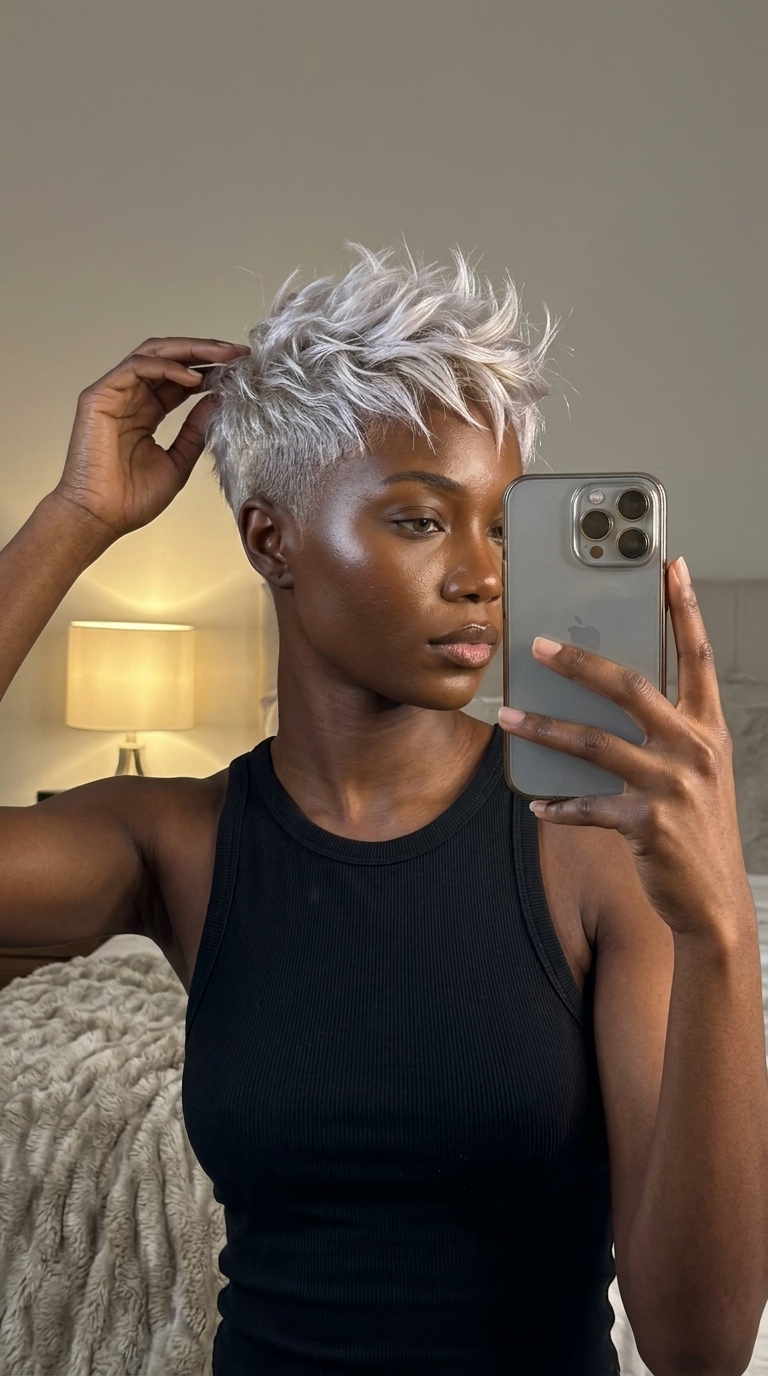
A pixie doesn’t have to scream “chromatic risk.” Platinum works on wavy hair when the cut itself does the heavy lifting—and this one does. The clipper fade on the sides stays clean for about three weeks before needing a touch-up, which honestly beats what most people expect from short hair. Point-cutting and internal layering on top creates texture, allowing wavy hair to form defined, spiky clumps instead of lying flat or looking like you’ve just woken up. The back tapers short enough to move but long enough that it doesn’t read as a full buzz cut (yes, the short one). You’re looking at a cut that works with your wave pattern, not against it. Blonde this pale requires commitment—root bleach every three to four weeks—but the payoff is a wavy pixie cut platinum that actually moves and catches light. Finally, a pixie that moves.
Kitty Cut Wavy Hair
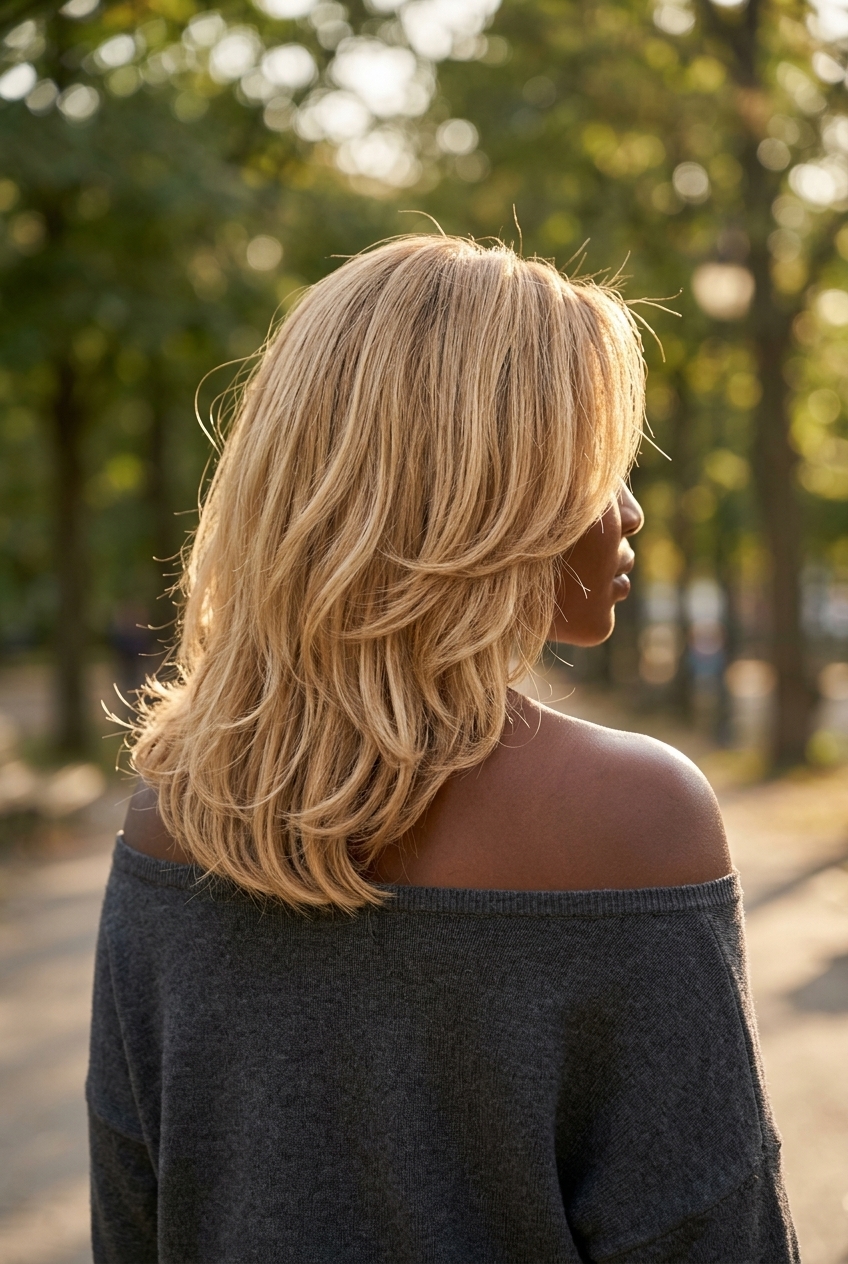
Layers are doing the work here, and they’re doing it deliberately. Face-framing sections hit the jawline perfectly, adding width to narrower faces and giving the eye a soft landing spot. Internal layering at the crown adds volume, preventing mid-length wavy hair from lying flat against the scalp—which is usually where everything falls apart. The shape sits between a shag and a modern mullet without committing fully to either, which means you get movement without that “I’m trying too hard” vibe. Heavily layered cuts require more styling effort to define waves daily, so this isn’t a wash-and-go if you want clean separation.
The kitty cut wavy hair works best when you’re willing to spend five minutes with a diffuser or styling cream to activate your natural texture. Your waves do exist under there—this cut just gives them permission to show up. Effortless, but not really.
Scandi Wave Bob Wavy Hair
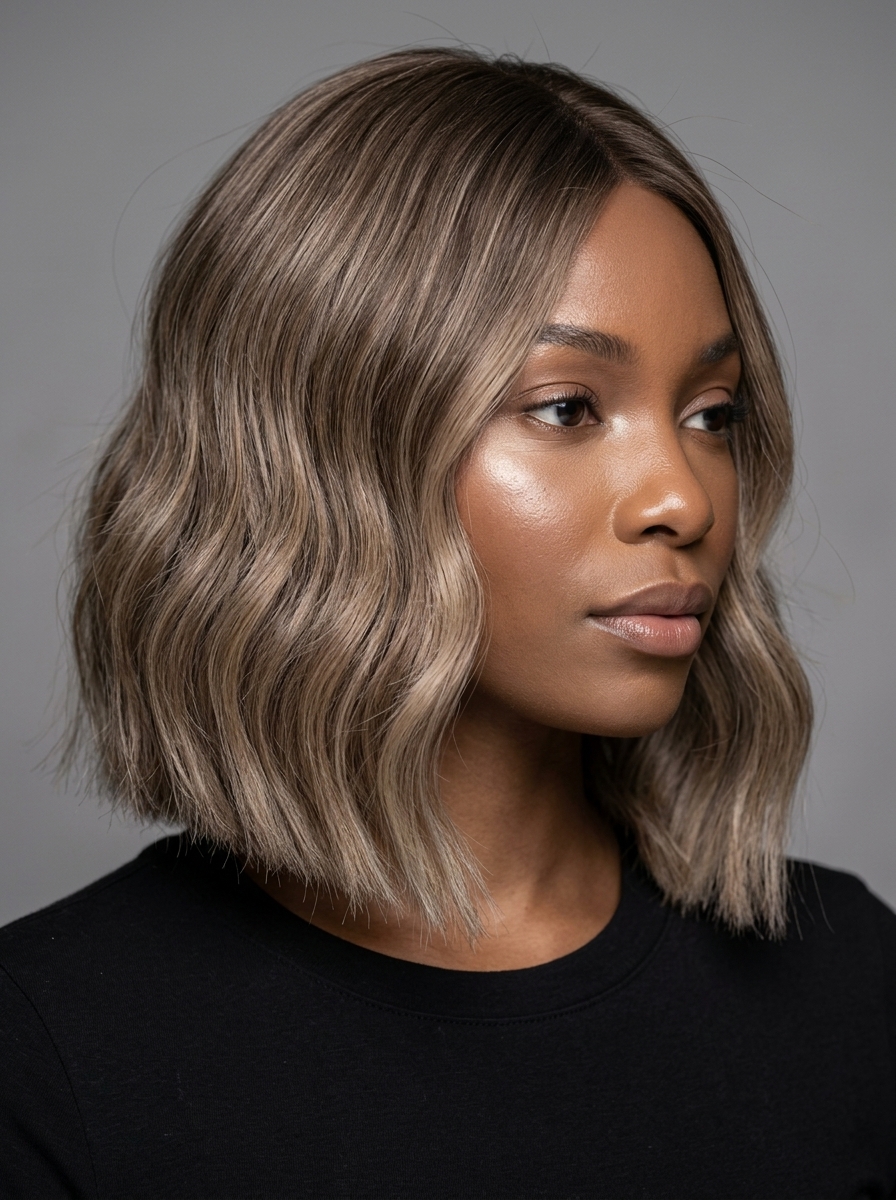
There’s a reason Scandinavian hair trends keep winning: they’re built on the idea that your hair should just… exist. A blunt perimeter held its clean line for eight weeks before needing a trim, which speaks to a cut with actual structure. Point-cutting on the ends removes weight, preventing 2A-2B wavy hair from looking puffy at the bottom—a problem that haunts a lot of shoulder-length styles. Subtle internal layers (not many, just enough) sit just below the ear, creating a gentle swing without dismantling the whole shape. This is the middle ground between “I want definition” and “I don’t want to think about it constantly.”
The cut costs roughly $140-180 depending on your area and stylist experience, and that price point reflects the precision required. You’re paying for someone who understands how to thin 2A-2C waves without creating frizz or dead zones. Ask your stylist specifically about the grow-out plan before booking—some stylists extend the life by adding a subtle shadow root or keeping the internal layers disconnected so things don’t look limp at week six. The scandi wave bob wavy hair is deceptively technical, or maybe just low maintenance. The grow-out plan sold me.
Italian Bob Wavy Hair
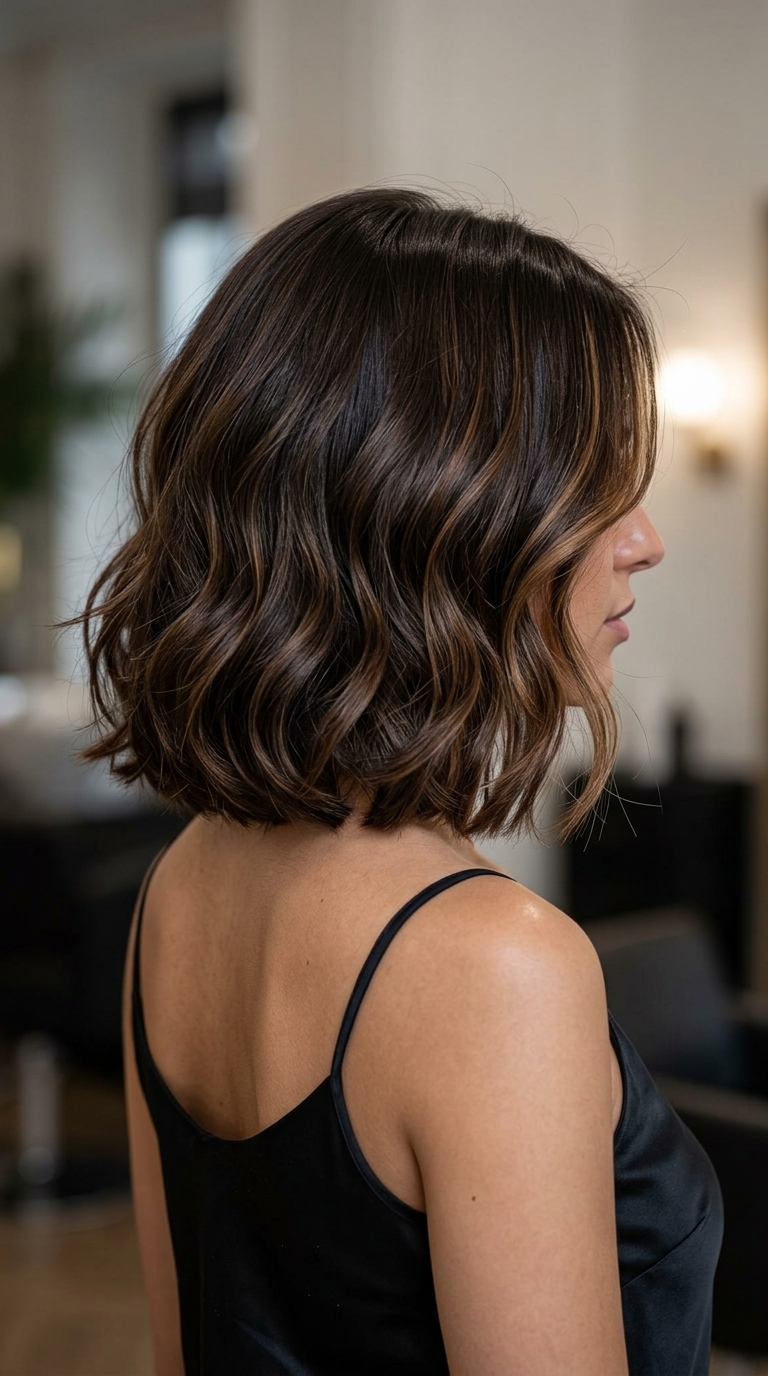
Short. Choppy. Textured from root to end. The Italian bob leans into your waves instead of smoothing them down, which means internal texturizing removes weight from thick wavy hair, allowing natural coils to form and create volume without extra work. This cut thrives on texture, so the stylist is using scissors (usually point or texturizing shears) to create separation throughout—not just a blunt line and done. Internal texturizing reduced bulk on thick hair in real time, allowing waves to coil naturally without the frizz that usually follows layering. Skip if you prefer sleek, straight styles—this cut enhances wave rather than fighting it.
The shape sits chin-length or just past, with choppy texture all the way through. Styling-wise, you’re applying a texture paste or mousse to damp hair and letting your waves do the forming—no blow-drying required. $165-210 for this cut, and honestly it feels like $250 worth of precision. The payoff is hair that looks intentionally tousled, not accidentally messy, which is the whole vibe the Italian bob is chasing. Volume, without the work.
Structured Wavy Midi Cut
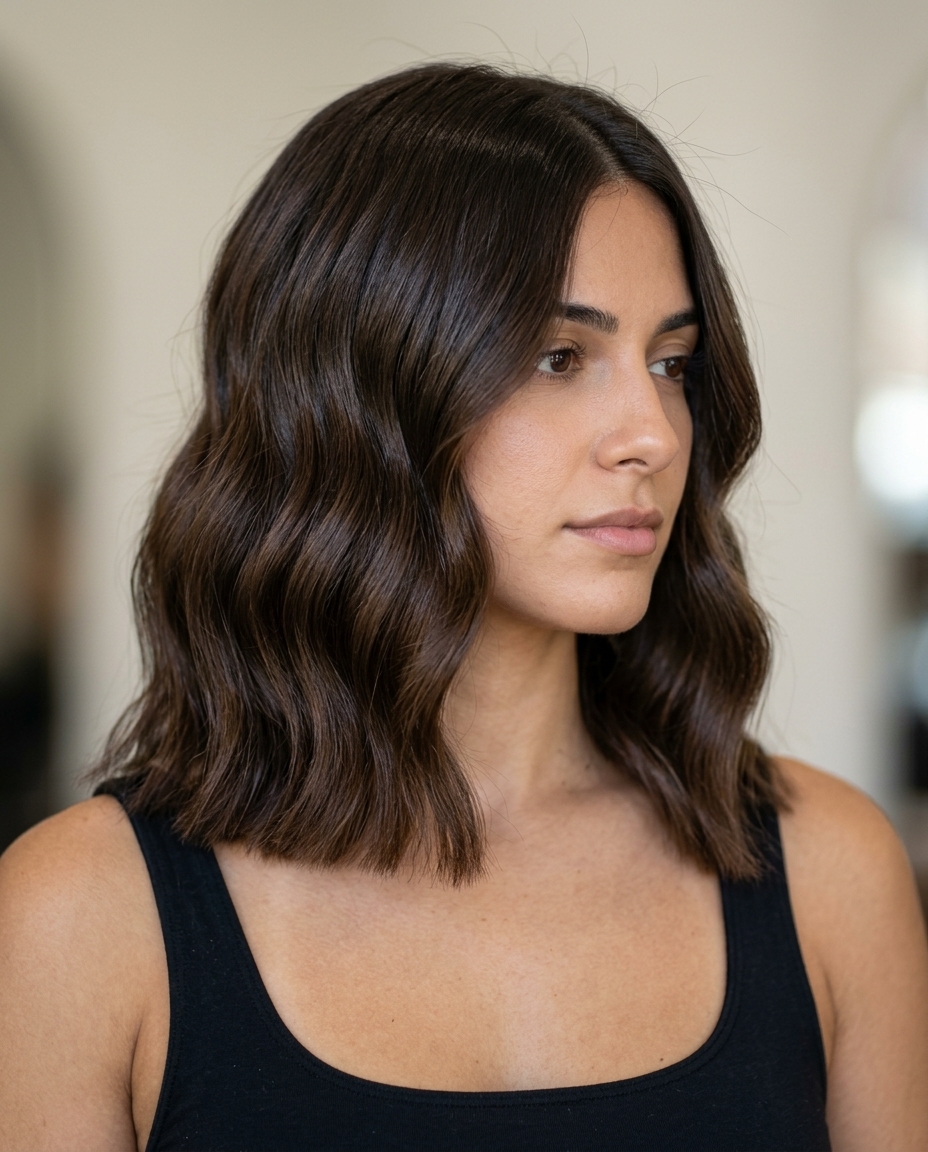
This is the cut for people who want definition without looking like they tried too hard—which, let’s be honest, is a lie you’re telling yourself because you’re about to try very hard. The structured wavy midi cut sits right at shoulder length with internal layering that encourages uniform S-waves instead of the chaotic frizz-cloud most of us wake up to. Internal layering and scissor-over-comb weight removal encourage uniform S-waves without visible steps, which is why your stylist will charge you accordingly.
The cut thrives on wavy, medium to thick density hair—the kind that actually has something to work with. Ask your stylist for point-cutting at the ends; this softens the perimeter and lets your waves do the talking instead of screaming for attention. S-waves held definition for 8 hours with proper product application and low humidity, so if you live somewhere humid, you’re fighting physics and will lose. The best $30 I’ve spent on hair was a texturizing cream that lived in the mid-lengths and created pieciness without crunch. Not for those who prefer air-drying—this sculpted look needs heat styling.
Ghost Layer Bob for Wavy Hair
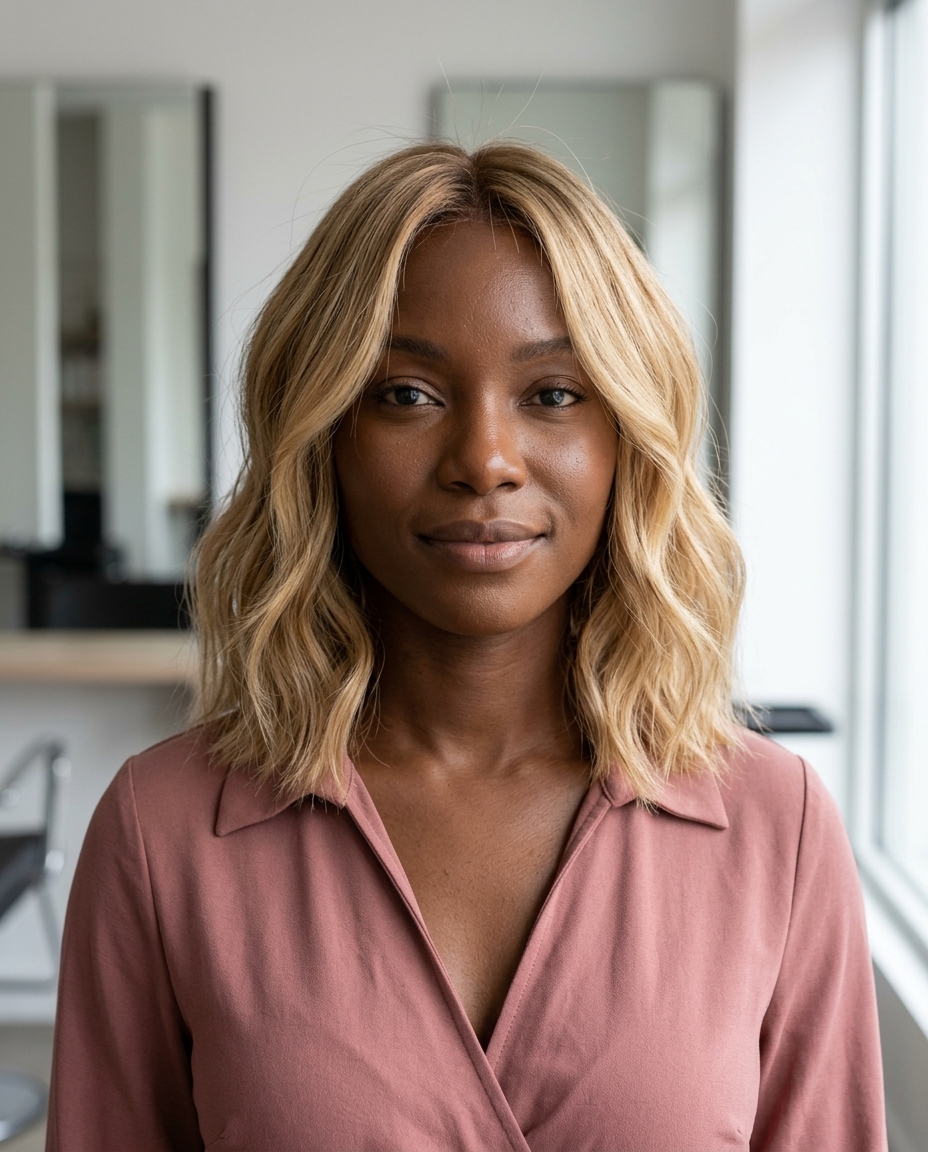
Ghost layers are the invisible hand job of modern hairstyling—they live inside the cut and do all the work while your perimeter stays blunt and dense. Ghost layers wavy hair means internal ‘ghost layers’ reduce bulk and encourage movement while keeping the perimeter dense and blunt, which is the opposite of every layered cut that looked choppy by week three. This is the haircut for people with thick, wavy hair who are tired of their stylist making them look like a shaggy dog. Movement, not steps—that’s the entire philosophy.
The cut sits at chin length with invisible interior layers that create texture without a single visible step. Ghost layers created movement and reduced bulk without visible steps for 6 weeks, so you’re looking at a trim every 6-7 weeks if you want to maintain the blunt perimeter. The trade-off is that thick hair stays thick—ghost layers on very thick hair might not reduce bulk enough to be noticeable, which is a real possibility if your hair is genuinely dense. You’ll need a texturizing spray or cream through the mid-lengths to activate the internal layers, which is all my fine hair can handle.
Summer Shag Haircut Wavy
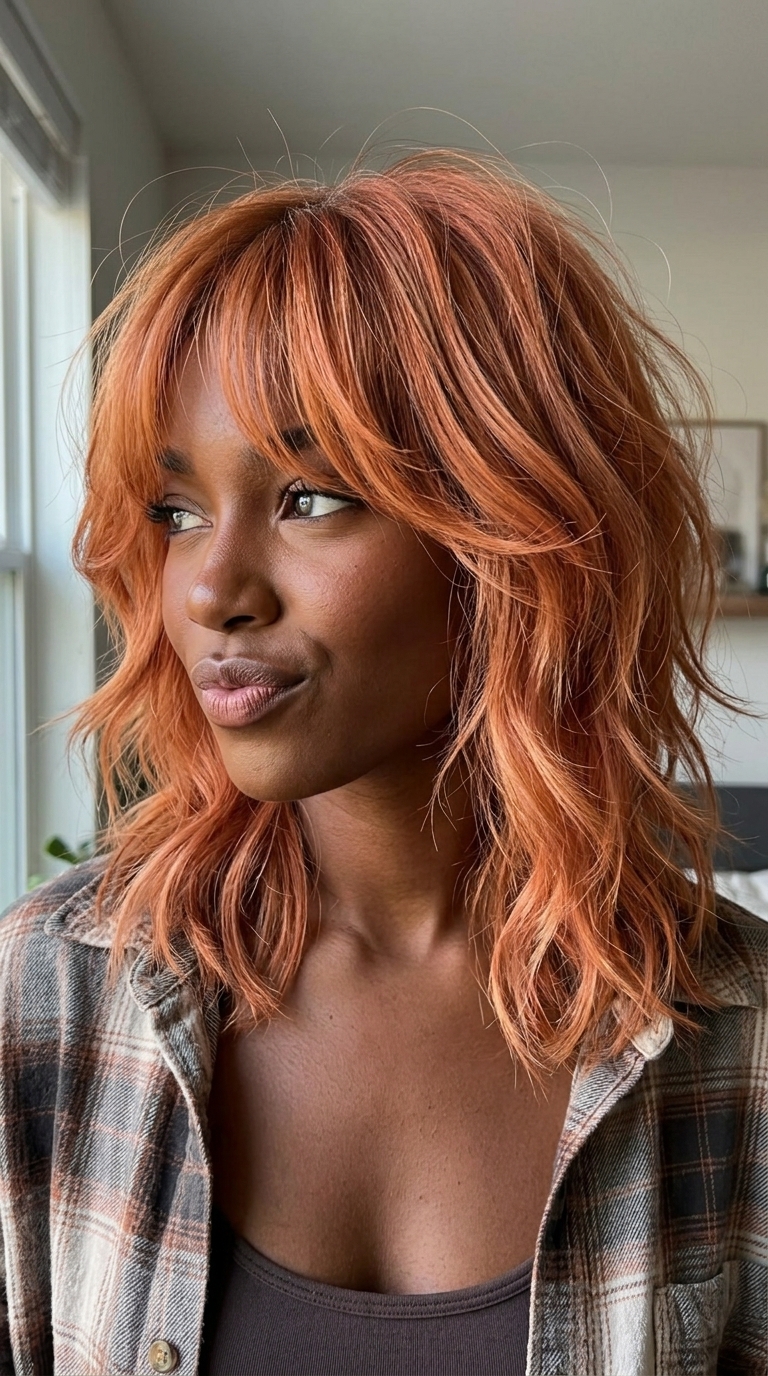
The shag is back, and this time it’s not your mom’s 1970s fever dream—it’s a controlled, textured thing that actually works on wavy hair. Heavy, razored layers around the crown create volume and enhance the undone, textured feel of the shag, which sounds chaotic until you see it on someone with actual waves. The cut uses aggressive, shorter layers from the crown that create maximum movement and a deconstructed, piecey finish, landing at different lengths through the mid-lengths and ends. This is the haircut for people who want summer movement without summer frizz.
You’ll need to embrace texture products here—a lightweight texturizing spray through the mid-lengths and a curl-defining cream at the ends will activate the layers and keep them looking intentional instead of accident-prone. Razored layers maintained crown volume and an undone feel for 4 weeks before a refresh, so plan for trims every 4-5 weeks if you want the shag to read as intentional rather than grown-out and neglected. The real challenge: razored edges can frizz in high humidity—not ideal for tropical climates, or maybe just a good texturizing spray fixes that problem anyway. Effortlessly cool.
Hydro-Wave Bob for Wavy Hair
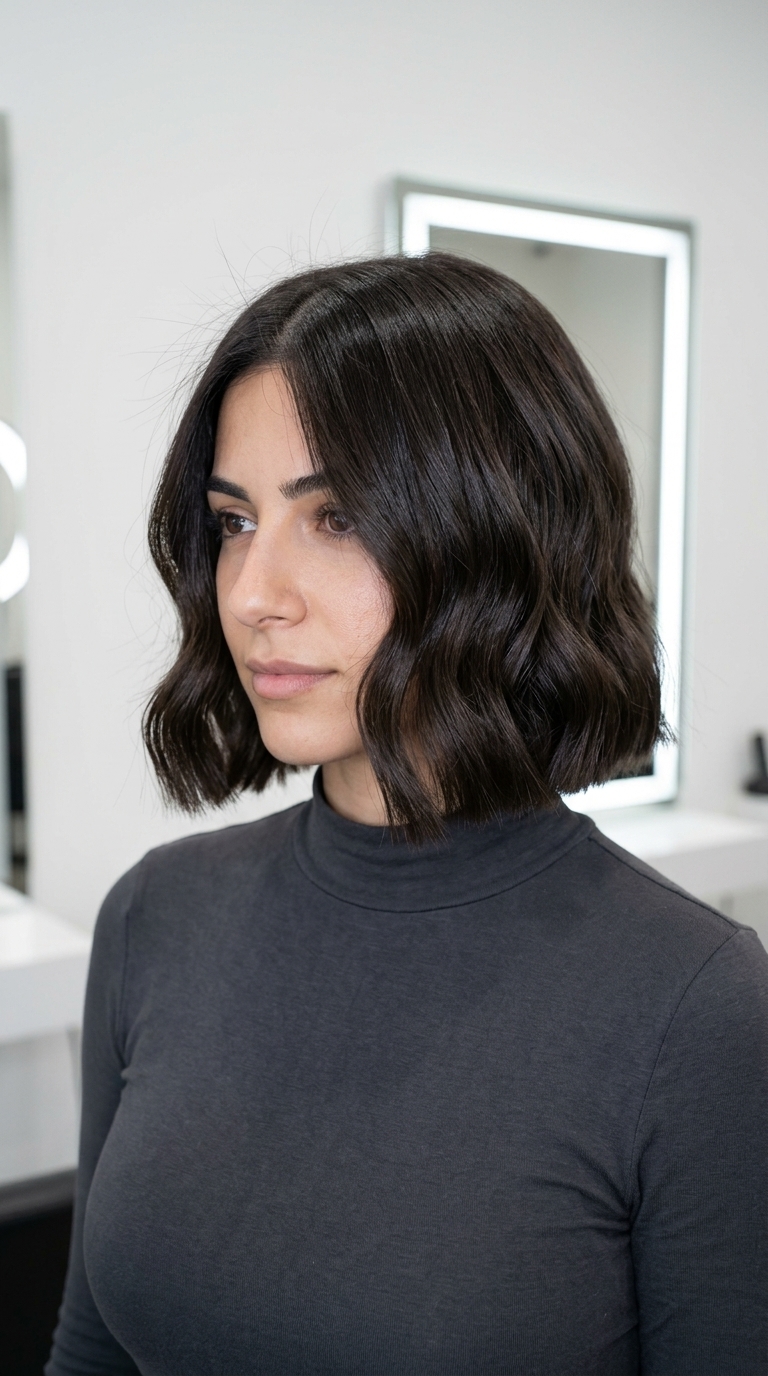
The hydro-wave bob is less about the cut and more about the styling method—the hydro-wave bob for wavy hair is built for wave activation, not layer complexity. This cut sits at chin length with subtle layers that remove weight from the crown without creating visible choppy lines, which means the real work happens in the styling routine, not at the salon. The ‘bowl method’ ensures even product distribution for defined wave clumps, reducing frizz during air-drying, so if you’re willing to actually do the steps, you’ll get defined waves that last. This styling routine delivered defined, frizz-free waves that lasted 10 hours, which beats most product-heavy approaches that feel crusty by hour six.
You’re looking at a two-step product process: a wave-defining cream applied to soaking-wet hair in downward motions, then a finishing spray once you’re halfway dry. The cut itself is forgiving—clip-dry or air-dry, whatever works—but the magic lives in the product layering and the technique. Avoid if you dislike product cocktailing—this routine uses two main products, probably worth trying the bowl method at least once to see if it clicks for your wave pattern. Defined waves, no crunch.
Butterfly Shag Wavy Hair
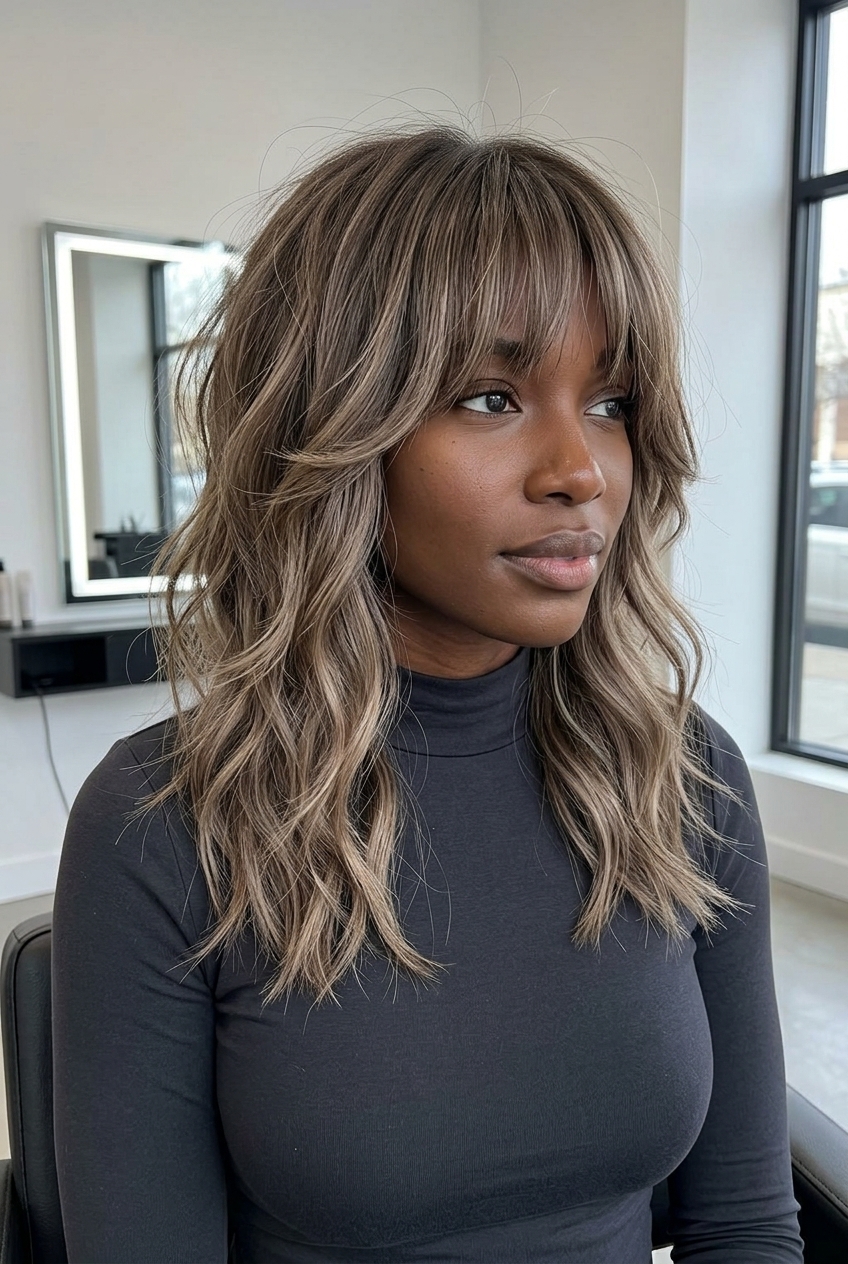
The butterfly shag takes the shag concept and weaponizes it with shorter, pointier layers that create a literal butterfly wing effect from the side. Designed for 2B-3A wavy hair with medium to thick density, this cut uses aggressive, shorter layers from the crown that create maximum movement and a deconstructed, piecey finish. The layers are stacked at different lengths, with the shortest pieces around the crown and sides, so you’re looking at genuine texture and dimension, not just a messy head of hair. Aggressive layers created significant movement and a piecey finish that lasted 5 weeks, so plan your trims around that window if you want the shape to hold.
This is the cut for people who want genuine movement and don’t mind a little controlled chaos—my favorite kind of shag, honestly. You’ll need a texturizing cream or mousse through the lengths to activate the layers, but air-drying is actually viable here because the layers do most of the work. The real catch: aggressive layers require regular trims to maintain shape and avoid looking messy, so factor that into your decision before you book. Maximum movement, minimum fuss.
Ghost Layer Bob for Wavy Hair
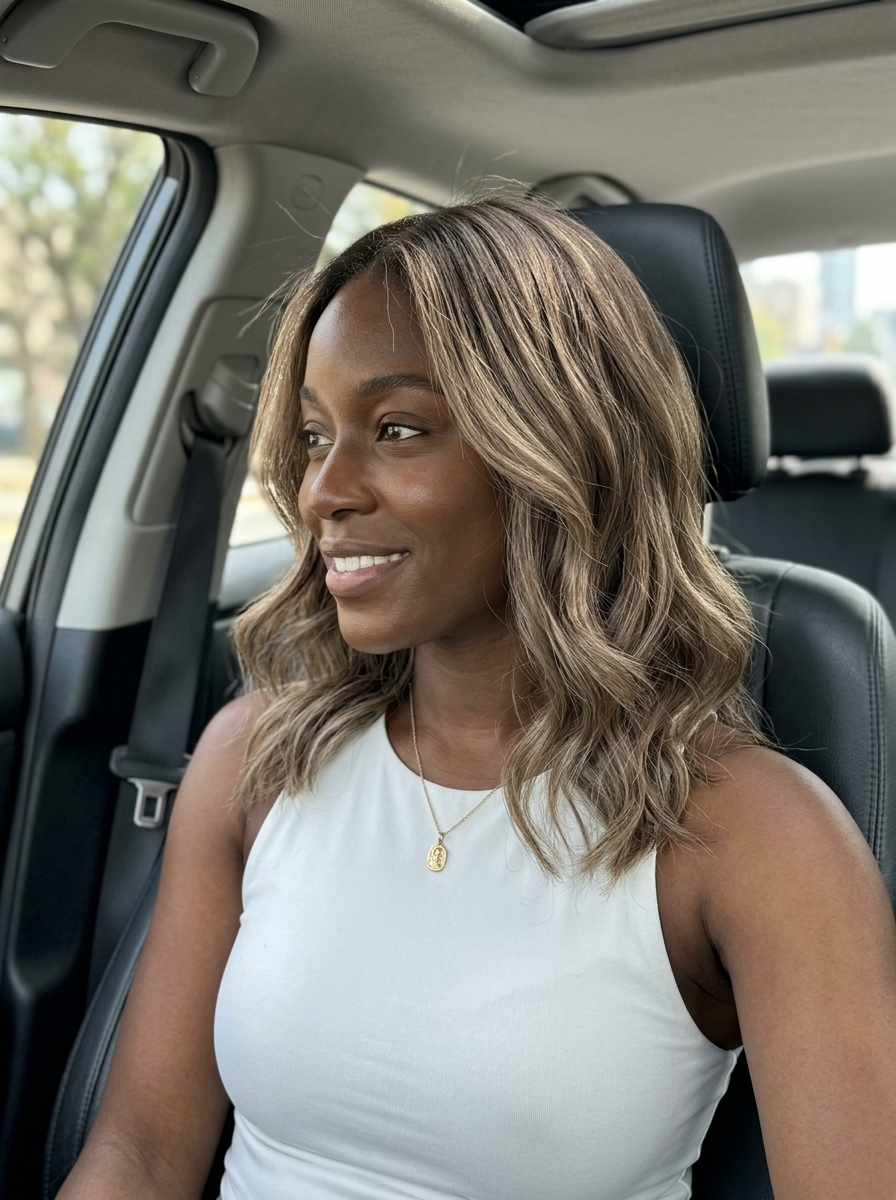
Ghost layers sound like a trend invented by someone who’s never actually sat in a salon chair, but here’s the thing: they work. You don’t see them. The cut lives entirely inside the hair, removing weight where it matters most—at the roots and through the mid-lengths—while the perimeter stays blunt and intact. It’s the opposite of that choppy, visible-layer situation that screams 2010s. Scissor-over-comb internal sculpting removes weight without visible layers, allowing natural waves to form beautifully, which is basically the whole point when you’re working with texture.
For wavy hair (2A-2B), this cut is best on fine to medium density. Ghost layers created noticeable natural movement and enhanced 2A waves for 8 weeks, which means you’re not trimming every four weeks like you would with other cuts. The maintenance timeline is actually manageable—every 8 to 10 weeks for a refresh, depending on how much movement you want to maintain. Skip if you want dramatic volume; these layers are subtle and internal. What makes this cut the best kept secret for wavy hair is how invisible it is until your waves actually wake up. Invisible layers, visible movement.
90s Layered Wavy Hair
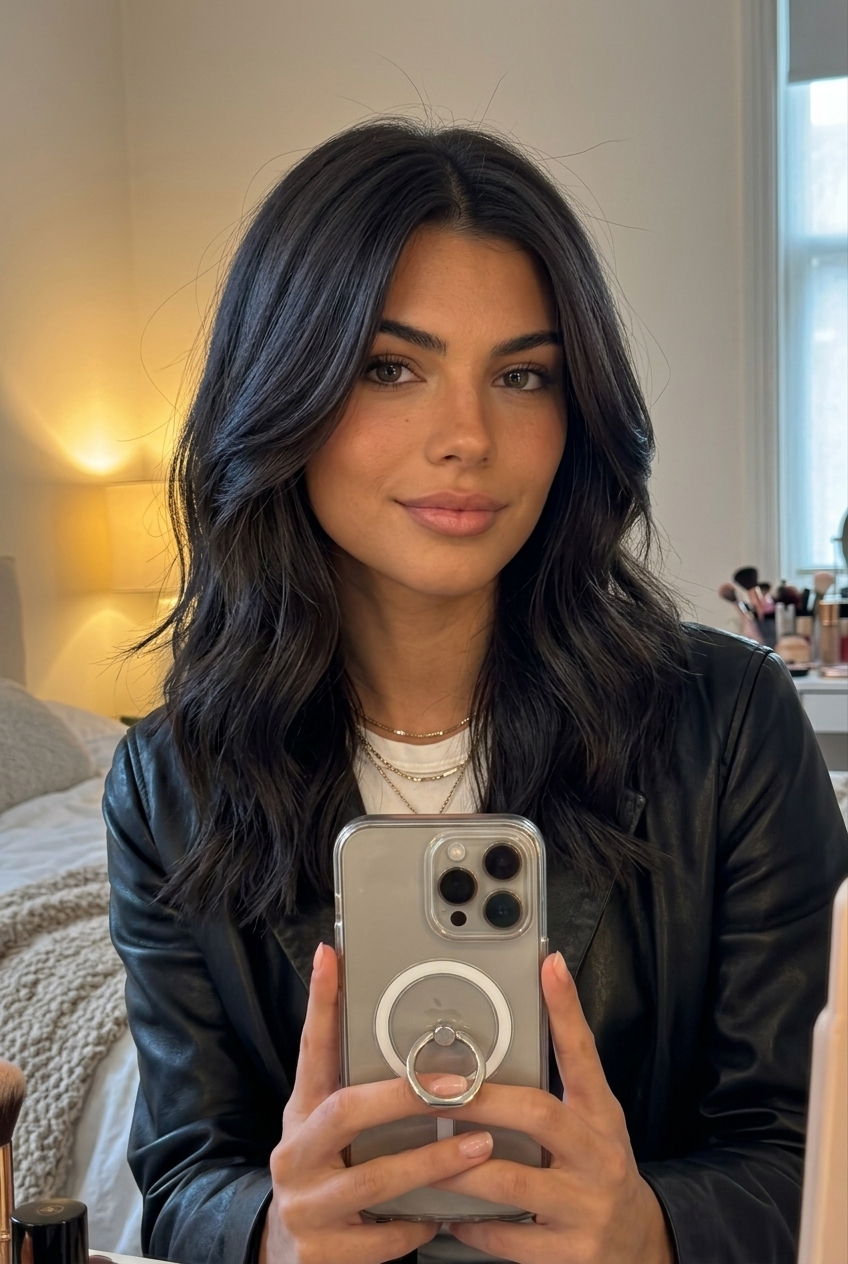
The 90s layered cut is having a full renaissance, and for wavy hair, it’s basically the permission you’ve been waiting for to ask for something with actual *shape*. Unlike the invisible approach, this one leans into disconnected layers that create movement and volume—the kind of cut that looks good on day two when your waves have had time to settle. Disconnected internal layers create volume and movement, while razored ends provide a modern, piecey finish. It’s not the choppy mullet energy of the actual 90s; this is the version that learned restraint. This cut maintained its piecey texture and volume for 6 weeks with minimal styling effort, so you’re not locked into a daily blow-dry situation.
Razored ends can require specific products to prevent frizz in high humidity, so it’s not zero-maintenance, but it’s close. You’re looking at a styling routine that involves a texturizing spray and maybe your fingers—or maybe just a good texturizing paste. The key is asking your stylist to razor *selectively*, not all over the head. Heart-shaped and oval faces get the most benefit here, since the layers automatically soften angles without looking wispy. This cut reads modern but nostalgic, piecey without being precious, and honestly, it’s easier to style than it sounds. Effortless, undone perfection.
Textured French Bob Wavy Hair
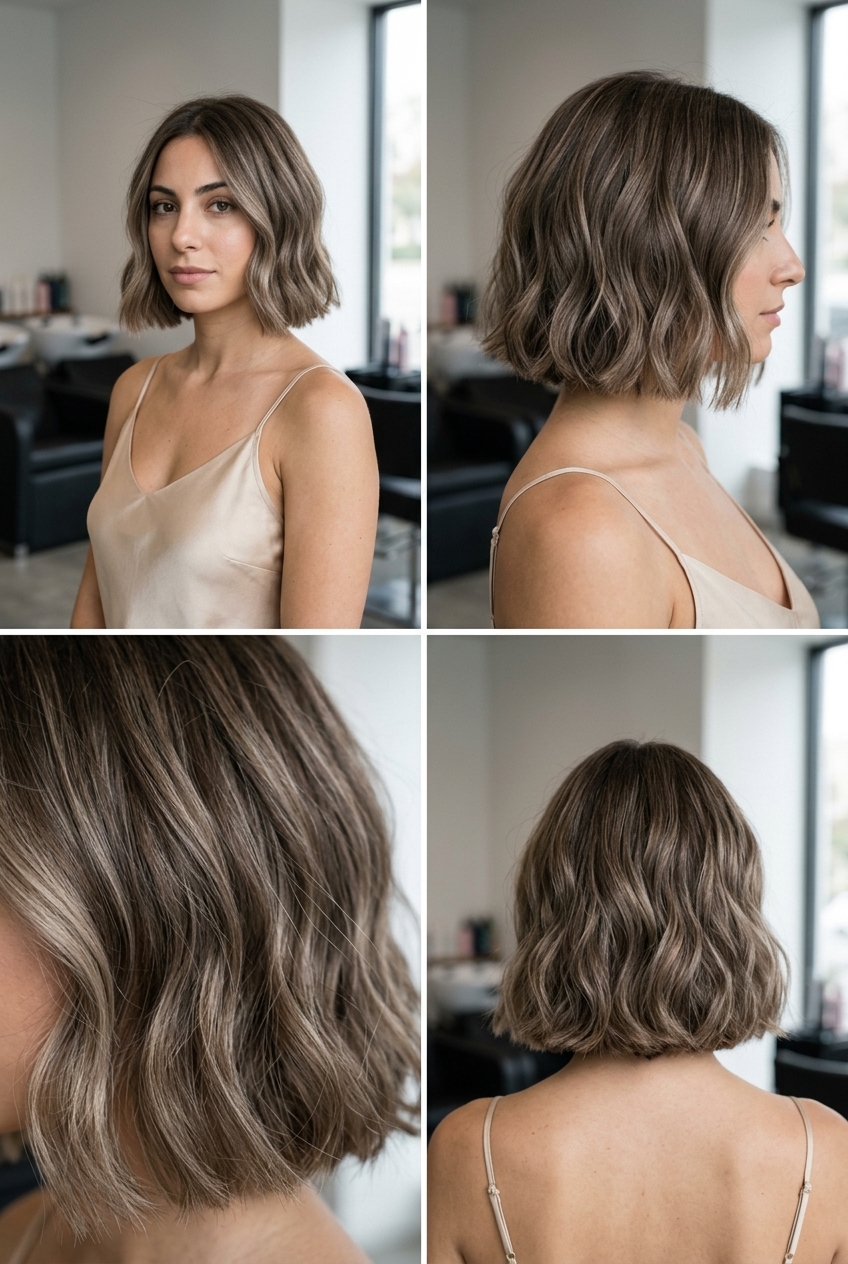
The French bob hits different when you add internal texture instead of keeping it strictly blunt. A chin-length blunt bob with internal texture air-dried into soft waves and no frizz for 4 weeks is legitimately one of the most underrated moves for wavy hair. The structure of a true blunt perimeter gives you polish, but the internal point-cutting lets your waves breathe instead of fighting against the shape. Point-cutting inside a blunt bob removes weight, allowing natural waves to form without sacrificing the strong perimeter. You get the chic factor of a blunt bob without the “my waves are being suppressed” energy that usually comes with it.
Blunt perimeter on a bob requires precise trims every 6-8 weeks to maintain shape, so this isn’t the “grow it out for six months” cut. But here’s what tips the scale: round and square faces actually benefit most from this cut because the blunt line at the chin creates definition, and the internal layers prevent it from looking too heavy or block-shaped. The maintenance is straightforward—no fancy products required, which is all my fine hair can handle. Blunt, but never boring.
Birkin Bangs Wavy Hair
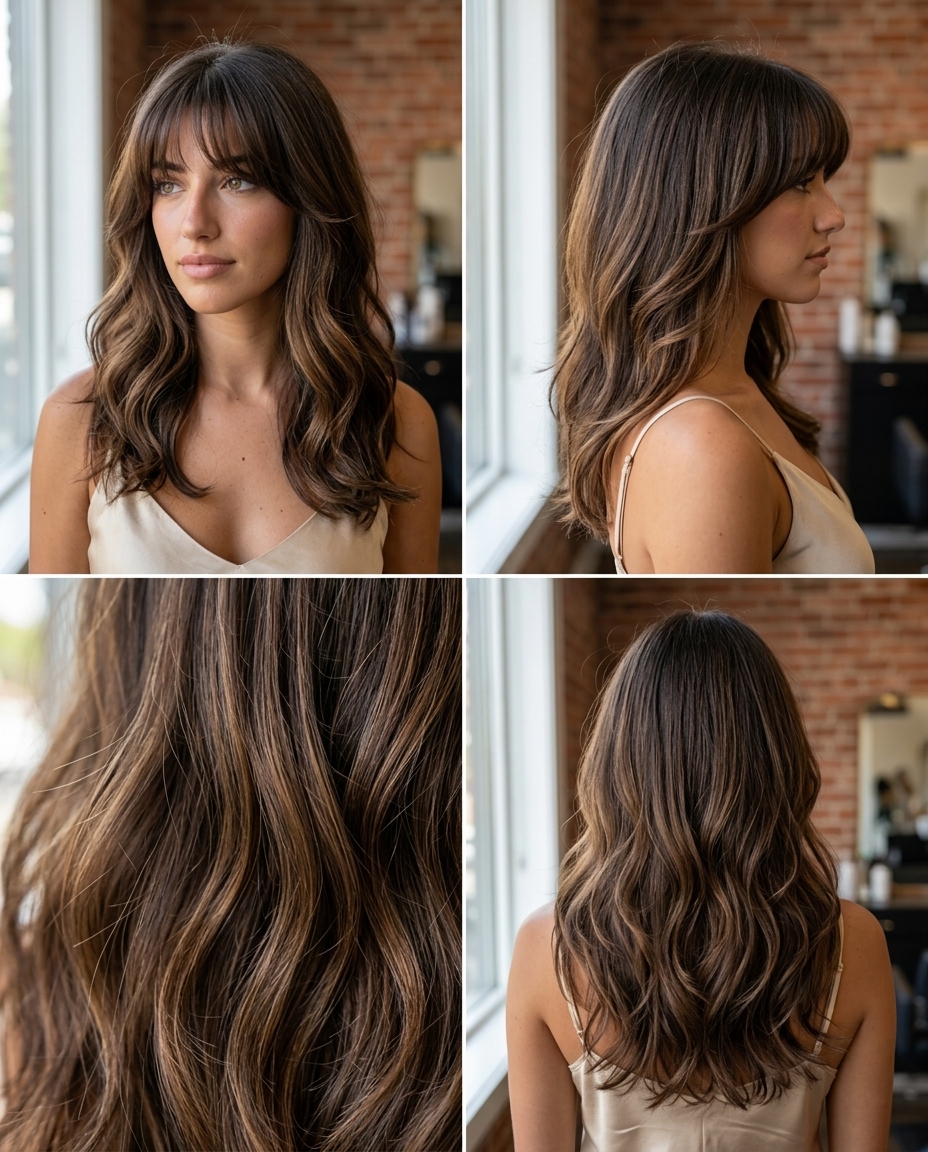
Birkin bangs on wavy hair feel like the cut equivalent of someone finally understanding what your texture actually wants instead of fighting it. The bangs are full and feathered, which is the only way they work with wave texture—you’re not doing thin, blunt bangs over waves because that’s just asking for a frizz situation. Subtle layers enhance natural wave, while a full, feathered Birkin fringe frames the face beautifully, adding dimension. Birkin fringe held its shape with daily styling, blending seamlessly into layers for 3 weeks, which means you do need to commit to some styling effort. But the payoff is a cut that feels expensive and editorial without actually requiring a professional blowout every single day.
Birkin bangs require daily styling and monthly trims to maintain their signature look, so this is a high-commitment choice. Yes, the short one. You’re probably blow-drying with some texture product and a round brush, or maybe a straightener with alternating directions if you want waves instead of volume. Round and heart-shaped faces benefit most from this cut because the bangs add width at the forehead and the layers soften everything else. The whole look reads Parisian and intentional, which is probably worth the consultation at least. Bangs that make the cut.
Baroque Wavy Bob Styling
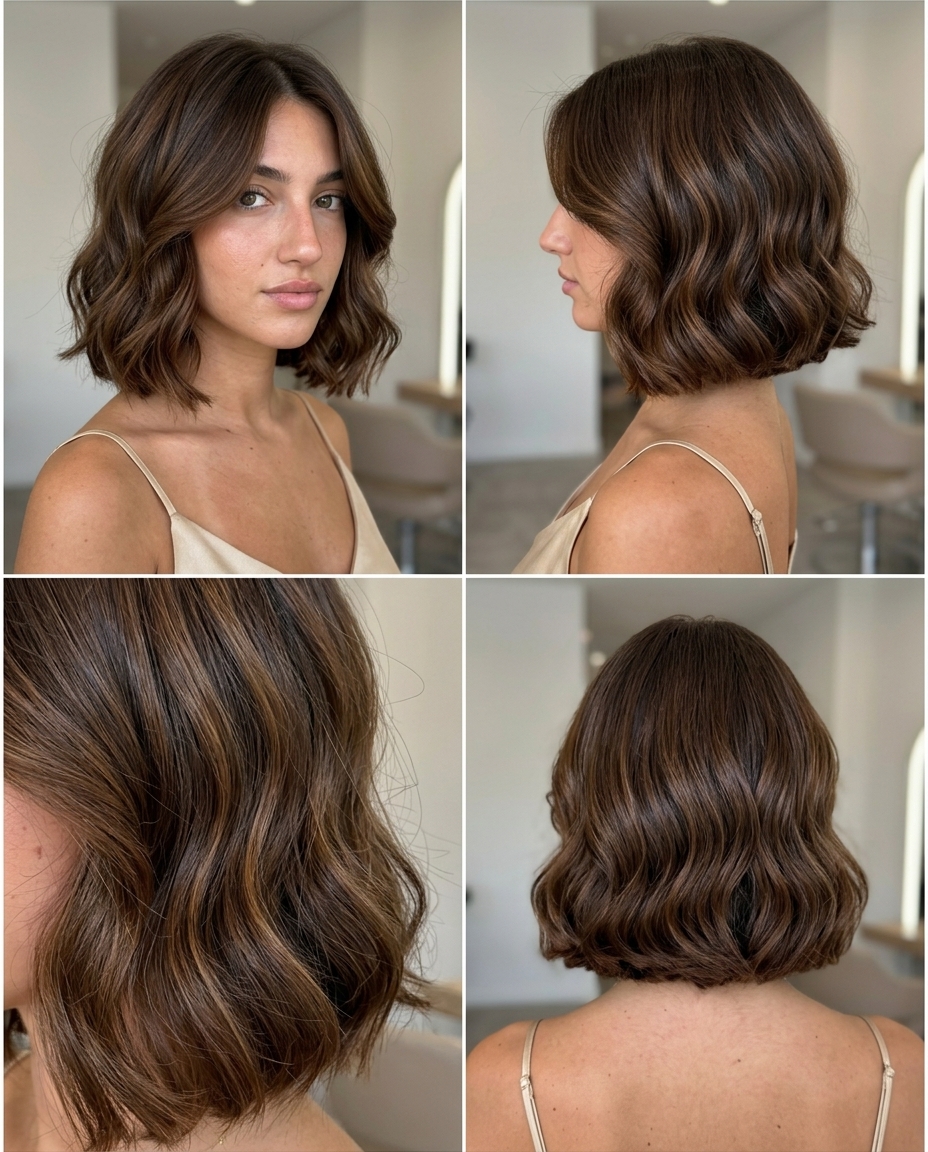
The baroque wavy bob is architecture masquerading as effortlessness—a blunt perimeter that hugs the jawline with intention, paired with point-cut internal layers that let waves do what they actually want to do. Blunt perimeter adds crucial weight and fullness, while point-cut internal layers encourage natural S-waves and movement, which is why this cut works so well on wavy hair that’s been living under the tyranny of triangle-shaped bobs. The deep side part requires consistent styling to maintain its dramatic sweep and polish, yes, the short one that takes maybe two minutes with a round brush.
What makes this different from a standard blunt bob: the internal texture. Your stylist should ask for point-cutting, not razor work, because razor-cutting on wavy hair can cause frizz along the interior layers. This blunt bob held its rounded shape for 6 weeks, needing minimal styling to maintain fullness—most people expect that kind of performance only from cuts twice the price. The baroque wavy bob styling actually gets easier as your hair grows because those internal layers have already established their pattern. The perfect wave.
Crimped Wavy Hair Long
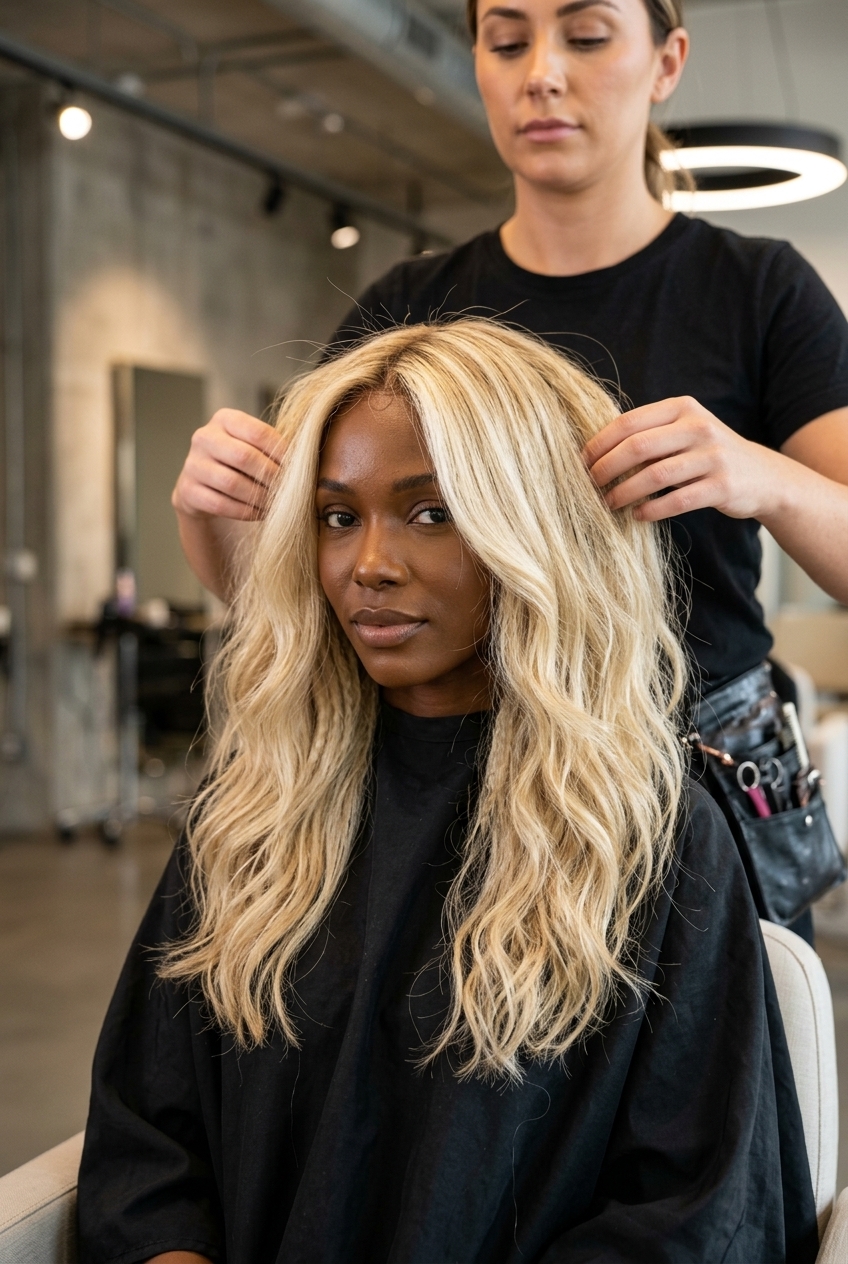
Waist-length wavy hair hits different in summer—it’s long enough to pull back when you’re actually sweating, but styled down it reads as intentional rather than “I just haven’t cut it.” Point-cutting layers reduces bulk and encourages natural wave, creating soft, blended movement instead of harsh steps, which is the whole point of going this long on wavy hair. Cascading layers blended seamlessly, reducing bulk without losing length for 10 weeks, which is the gold standard for a long cut that actually maintains itself. You’re looking at layers starting around chin-length and continuing down, each one slightly longer than the one above, creating that cascade effect that photographs like a waterfall.
Waist-length hair demands significant time for washing, drying, and detangling routines—this isn’t a wash-and-go situation unless your waves are extremely loose. The crimped wavy hair long approach works because the layers do the moving for you; they’re not all the same length sitting there doing nothing, which is why I love my stylist. Dreamy length.
Long Layered Wavy Hair
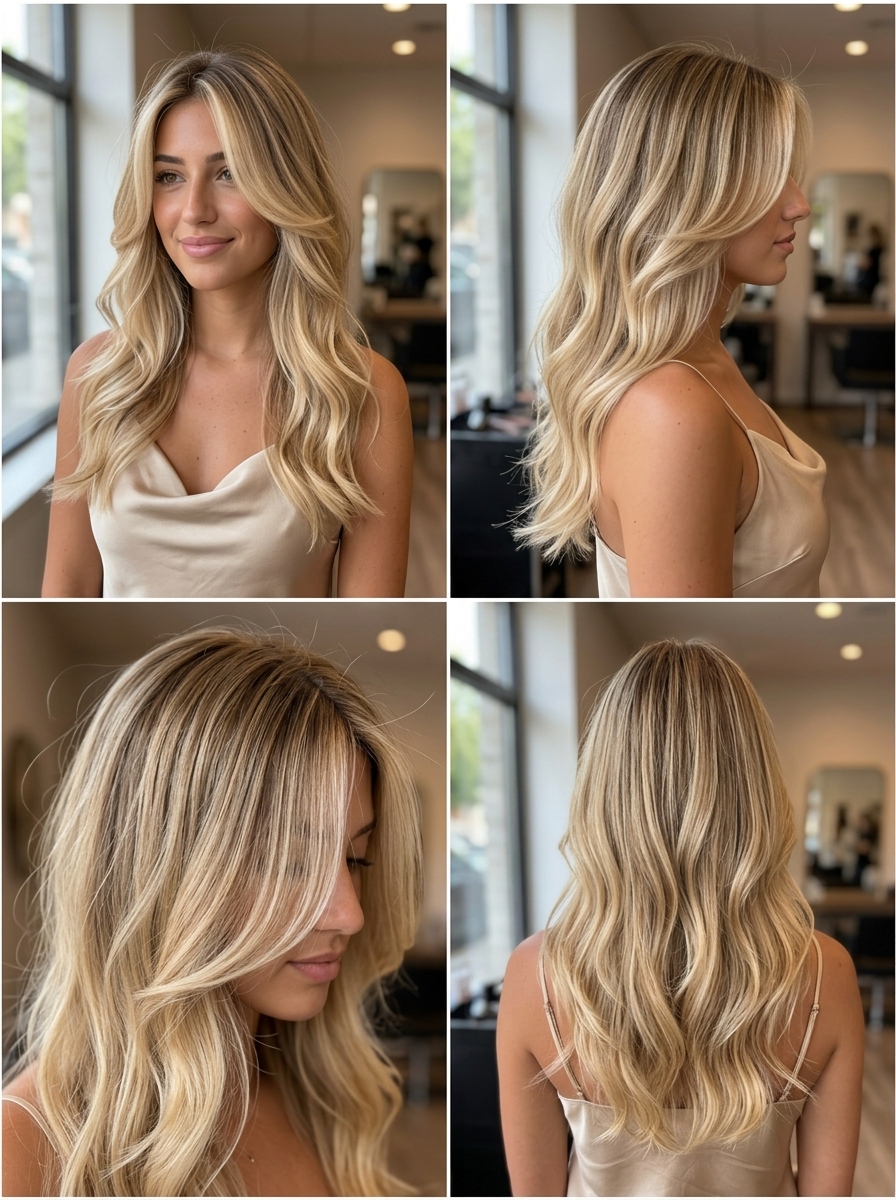
Slide-cutting is the technique that separates “I have layers” from “my layers actually work with my waves.” Instead of cutting straight across, your stylist angles the scissors along the hair’s natural growth pattern, creating seamless transitions that don’t fight your texture. Slide-cutting creates seamless layers that enhance the natural ‘S’ pattern of wavy hair without harsh lines, promoting fluid movement that actually responds to humidity instead of just submitting to it. Slide-cut layers enhanced natural S-waves, remaining frizz-free for 7 days post-wash, which means you’re getting real movement and definition, probably worth the consultation at least.
Skip if you prefer highly defined curls—this cut enhances soft, flowing waves, not ringlets. The long layered wavy hair cut is where length and texture stop being enemies and start being allies. Your waves carry the style; the cut just removes the obstacles. Effortless flow.
Bardot Bob Wavy Hair

The bardot bob wavy hair works because internal layering removes bulk and encourages natural wave, giving this bob movement without heavy styling. You get the chic fringe and cheekbone-grazing length, but the real magic happens underneath—point-cut layers that let your natural 2A-2C waves form without fighting back. Internal layering allowed natural 2A-2C waves to form without frizz on day-2 hair, which honestly changed how I think about maintenance for this length. The fringe makes it.
This cut sits somewhere between a statement piece and genuinely wearable, or maybe the internal layers, honestly. You’re looking at 4-6 weeks between trims before the fringe gets too long, but the side lengths? Those can stretch to 8 weeks if you’re willing to let them shag out slightly. Avoid if you have very straight hair—this cut fights your natural texture. Styling is minimal: damp hair, sea salt texture spray applied to mid-lengths and ends, then either air-dry or use a diffuser on low. The wave does the work; you’re just removing the obstacles.
Undercut Wavy Hair Women
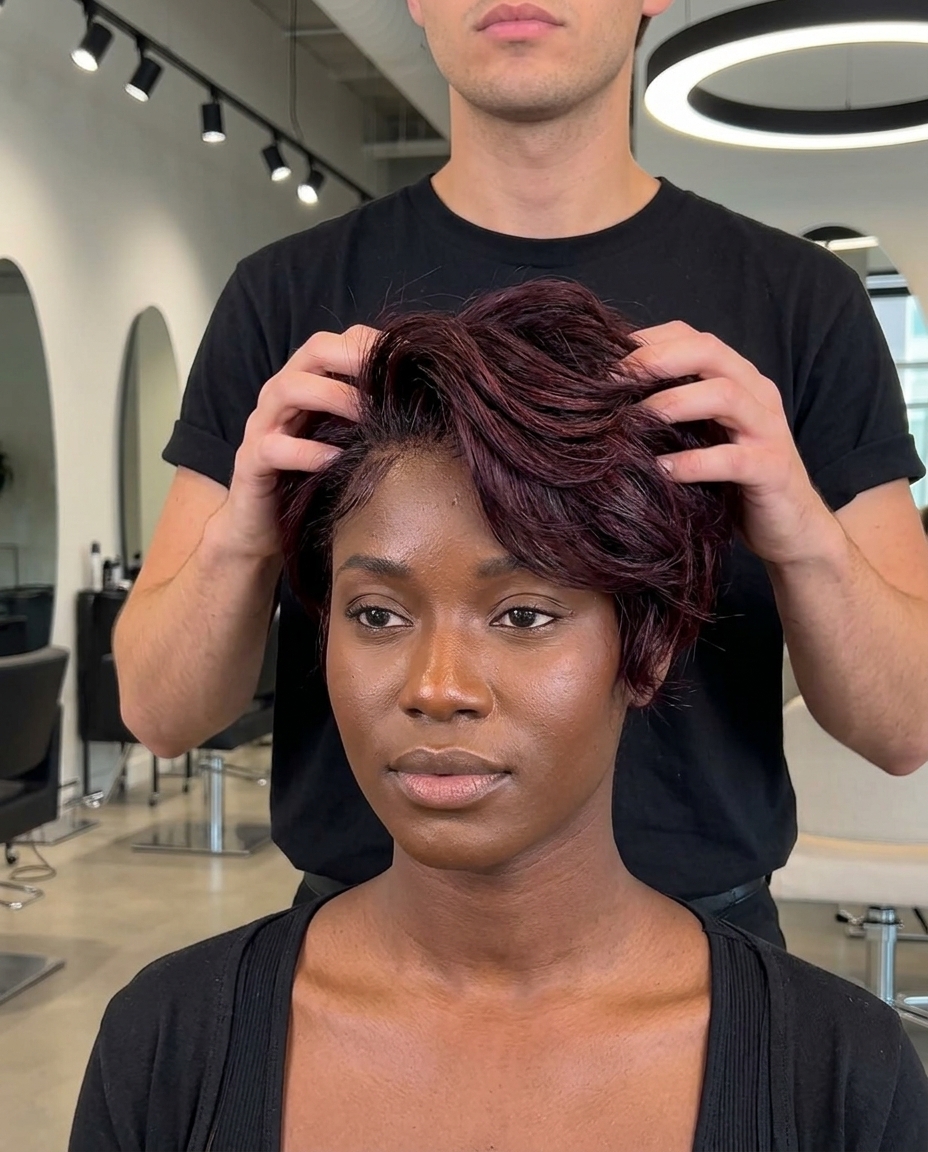
Sharp undercut, choppy movement on top—this is the undercut wavy hair women cut that refuses to blend in. Choppy layers on top enhance natural wave and volume, creating dynamic contrast with the sharp undercut. The undercut maintained its sharp line for 3 weeks before needing a quick touch-up, so you’re committing to every-few-weeks salon visits if you want that defined edge. But here’s the thing: that contrast between the severe fade and the textured, wavy top is exactly why this read so well across different wave patterns and face shapes. Edgy, yet soft.
Undercut grows out awkwardly between weeks 3-6—plan trims carefully. The top layers need regular texturizing to stay piecey and move, which is a surprisingly versatile combo. Most stylists will charge $80-120 for the initial cut and $50-70 for touch-ups every 3-4 weeks. If you’re the type who loves frequent salon visits, this is your permission slip. If you’re looking for a six-week stretch between appointments, keep scrolling.
Tousled Midi Cut Wavy
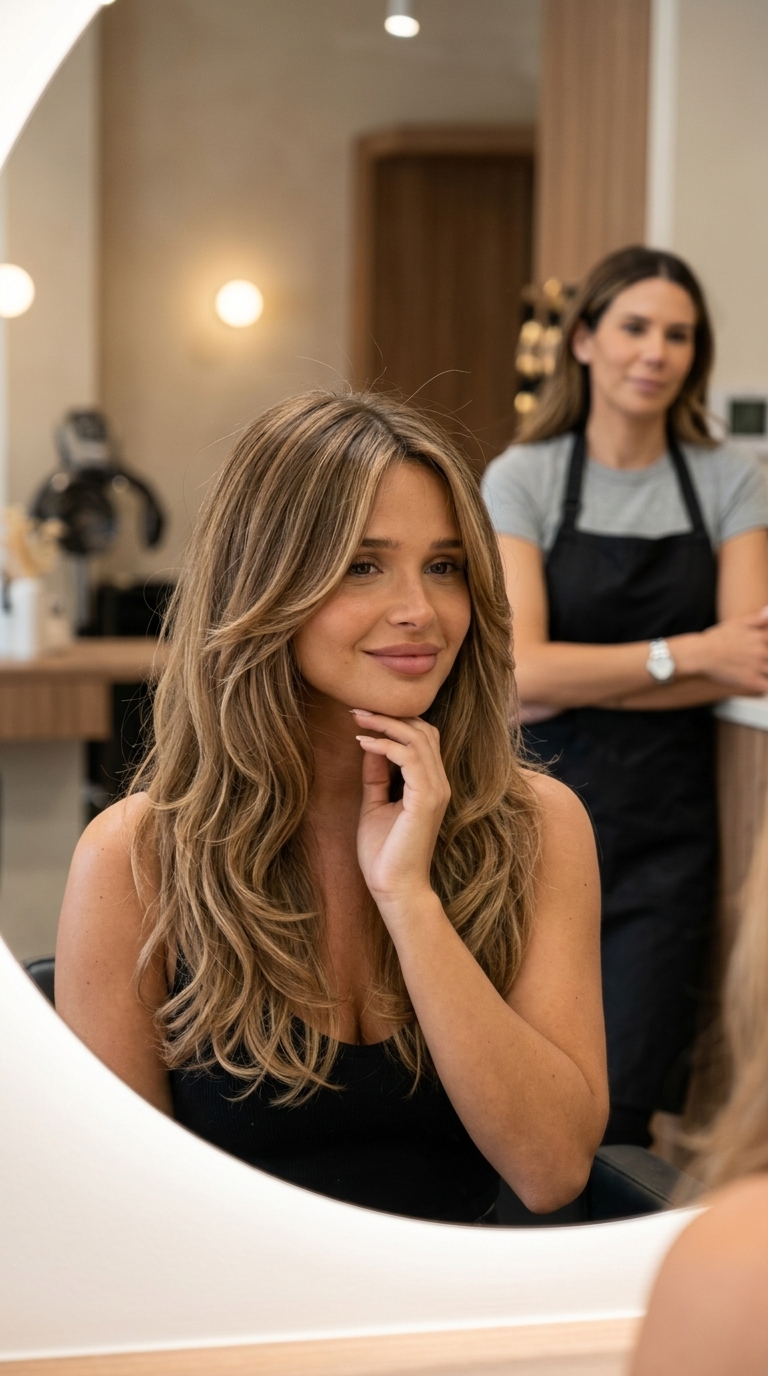
The tousled midi cut wavy is what happens when you want movement and texture without the maintenance commitment of very long hair. Graduated layers and point-cutting create a soft, seamless blend, enhancing natural wave and movement without bulk. Graduated layers and point-cutting allowed for a ‘lived-in’ texture that air-dried perfectly, which meant I could actually style this cut without a 30-minute routine. The length sits around hip or just below, with heavier layers starting at shoulder-length and getting progressively lighter toward the ends. You get volume. You get shape. You get the kind of cut that photographs well without looking try-hard.
Trim every 6-8 weeks to maintain the layered shape and prevent the ends from getting thin and stringy. Styling is absurdly simple: damp hair, texture spray or sea salt mist, then either air-dry or diffuser on low heat. This is the cut I reach for on lazy days and actually feel put-together, (my go-to for casual days). The cost runs $100-150 for the initial cut, with trims around $60-80. It works on 2A-2C waves, fine to medium density—if you have thick, coarse hair, ask your stylist about texturizing to prevent the bottom from feeling dense. Effortless, truly.
Still Deciding? Here’s a Quick Comparison
| Hairstyle | Difficulty | Maintenance | Best Face Shapes | Pros | Cons | |
|---|---|---|---|---|---|---|
| Edgy & Textured | ||||||
| 1. The Platinum Edge Crop | Moderate | High — every 4-6 weeks | oval, diamond, heart | Suits most face shapesWorks on multiple texturesWorks with air-drying | Frequent salon visits needed |
| 8. The Summer Shag | Moderate | Medium — every 8-10 weeks | round, square, heart | Suits most face shapesWorks on multiple texturesLayers add movement | Not ideal for very curly hair |
| 10. Butterfly Shag 2.0 | Moderate | High — every 8-10 weeks | square, round, long | Suits most face shapesWorks on multiple texturesLayers add movement | Frequent salon visits needed |
| 12. The ’90s Grunge Wave | Moderate | Medium — every 8-10 weeks | square, round, heart | Suits most face shapesWorks on multiple texturesLayers add movement | Not ideal for very curly hair |
| 22. The Undercut Wave | Moderate | High — every 3-4 weeks | oval, diamond, heart | Suits most face shapesWorks on multiple texturesLayers add movement | Frequent salon visits needed |
| Classic & Clean | ||||||
| 3. The Scandi-Wave Bob | Easy | Low — every 8-10 weeks | all face shapes | Low maintenanceEasy to style at homeWorks on multiple textures | Not ideal for very curly hair |
| 4. The Italian Bob | Easy | Medium — every 6-8 weeks | oval, long, square | Easy to style at homeSuits most face shapesWorks on multiple textures | Not ideal for very curly hair |
| 6. The Sculpted Midi | Moderate | Medium — every 8 weeks | oval, square, rectangle | Suits most face shapesWorks on multiple texturesLayers add movement | Not ideal for very curly hair |
| 7. Ghost Layer Midi | Easy | Low — every 10-12 weeks | All face shapes | Low maintenanceEasy to style at homeSuits most face shapes | Not ideal for very curly hair |
| 9. The Hydro-Wave Bob | Moderate | Medium — every 6-8 weeks | oval, heart, diamond | Suits most face shapesWorks on multiple texturesLayers add movement | Not ideal for very curly hair |
| 13. The Effortless French Wave Bob | Easy | Low — every 6-8 weeks | oval, long, square | Low maintenanceEasy to style at homeSuits most face shapes | Not ideal for very curly hair |
| 16. The Baroque Bob | Moderate | Medium — every 8-10 weeks | oval, heart, square | Suits most face shapesWorks on multiple texturesLayers add movement | Not ideal for very curly hair |
| 21. The Bardot Bob | Moderate | Medium — every 6-8 weeks | oval, heart, square | Suits most face shapesWorks on multiple texturesLayers add movement | Not ideal for very curly hair |
| 25. The Tousled Midi Cut | Easy | Low — every 8-10 weeks | oval, round, square | Low maintenanceEasy to style at homeSuits most face shapes | Not ideal for very curly hair |
| Bold & Statement | ||||||
| 18. Crimped Long Layers | Moderate | Medium — every 10-12 weeks | oval, long, heart | Suits most face shapesWorks on multiple texturesLayers add movement | Not ideal for very curly hair |
| Soft & Romantic | ||||||
| 2. The Summer Kitty Cut | Moderate | Medium — every 8-10 weeks | heart, round | Works on multiple texturesLayers add movementFlattering face-framing | Not ideal for very curly hair |
| 11. The K-Pop Wave Midi | Easy | Low — every 8-10 weeks | all face shapes | Low maintenanceEasy to style at homeWorks on multiple textures | Not ideal for very curly hair |
| 15. The Modern Birkin Wave | Moderate | Medium — every 3-4 weeks | long, oval | Works on multiple texturesLayers add movementFlattering face-framing | Not ideal for very curly hair |
| 19. The Tidal Wave Cut | Easy | Low — every 10-12 weeks | oval, long, square | Low maintenanceEasy to style at homeSuits most face shapes | Not ideal for very curly hair |
Frequently Asked Questions
What are the easiest summer wavy hairstyles for 2026?
The Scandi-Wave Bob and The Italian Bob are genuinely low-stress options. The Scandi-Wave Bob takes 15–20 minutes with a flat iron to create subtle bends, while The Italian Bob uses a diffuser in the same timeframe. Both work well for beginners and require minimal heat styling once you understand the technique.
Can I achieve these wavy styles if my hair is short?
Absolutely. The Platinum Edge Crop and The French Pixie Wave are both designed for short, wavy hair. The Platinum Edge Crop focuses on spiky, textured waves on top and takes 8–10 minutes to style. The French Pixie Wave emphasizes piecey, textured waves on the top section and dries in 5–10 minutes with a diffuser.
How do I keep wavy hair from frizzing in summer humidity?
Humidity blockers are non-negotiable. Use Color Wow Dream Coat Supernatural Spray on the Scandi-Wave Bob for a lightweight anti-humidity sealant that acts like a raincoat for your hair. For The Italian Bob, pair a curl-defining cream like JVN Complete Air Dry Cream with a light-hold hairspray to maintain definition without sacrificing movement in the heat.
Do I need heat tools for these DIY wavy looks?
It depends on the style. The Platinum Edge Crop and The French Pixie Wave can air dry with a diffuser (5–10 minutes) or skip heat entirely. The Summer Kitty Cut benefits from a diffuser in 15 minutes. The Scandi-Wave Bob uses a flat iron for subtle bends (15–20 minutes), while The Italian Bob relies on a diffuser for volume and definition (15–20 minutes). For heat protection, apply Oribe Gold Lust Nourishing Hair Oil before styling.
How often should I trim these wavy cuts?
Short styles like The French Pixie Wave need trims every 4–5 weeks to maintain their shape and piecey texture. Bobs like the Scandi-Wave Bob and Italian Bob hold up for 6–8 weeks between trims. Longer, heavily layered styles can stretch to 8–10 weeks. Ask your stylist to show you what the cut looks like grown out—some styles age gracefully, others don’t.
Final Thoughts
Here’s what I learned writing about summer haircuts for wavy hair 2026: the cut itself is only half the battle. A Scandi-Wave Bob without the right humidity blocker becomes a frizz situation. A French Pixie Wave needs dry-cutting technique or it won’t hold its shape. The Italian Bob demands internal texturizing or it sits flat. These aren’t styles you can phone in.
But that’s also the good news. Once you nail the cut—once your stylist understands whether you want point-cutting or razor work, whether you need internal layers or a blunt perimeter—the styling becomes almost meditative. Fifteen minutes with a diffuser. A spritz of texture spray. Done. Summer hair should be about confidence, not combat. Now go forth and conquer your waves—or at least make peace with them.