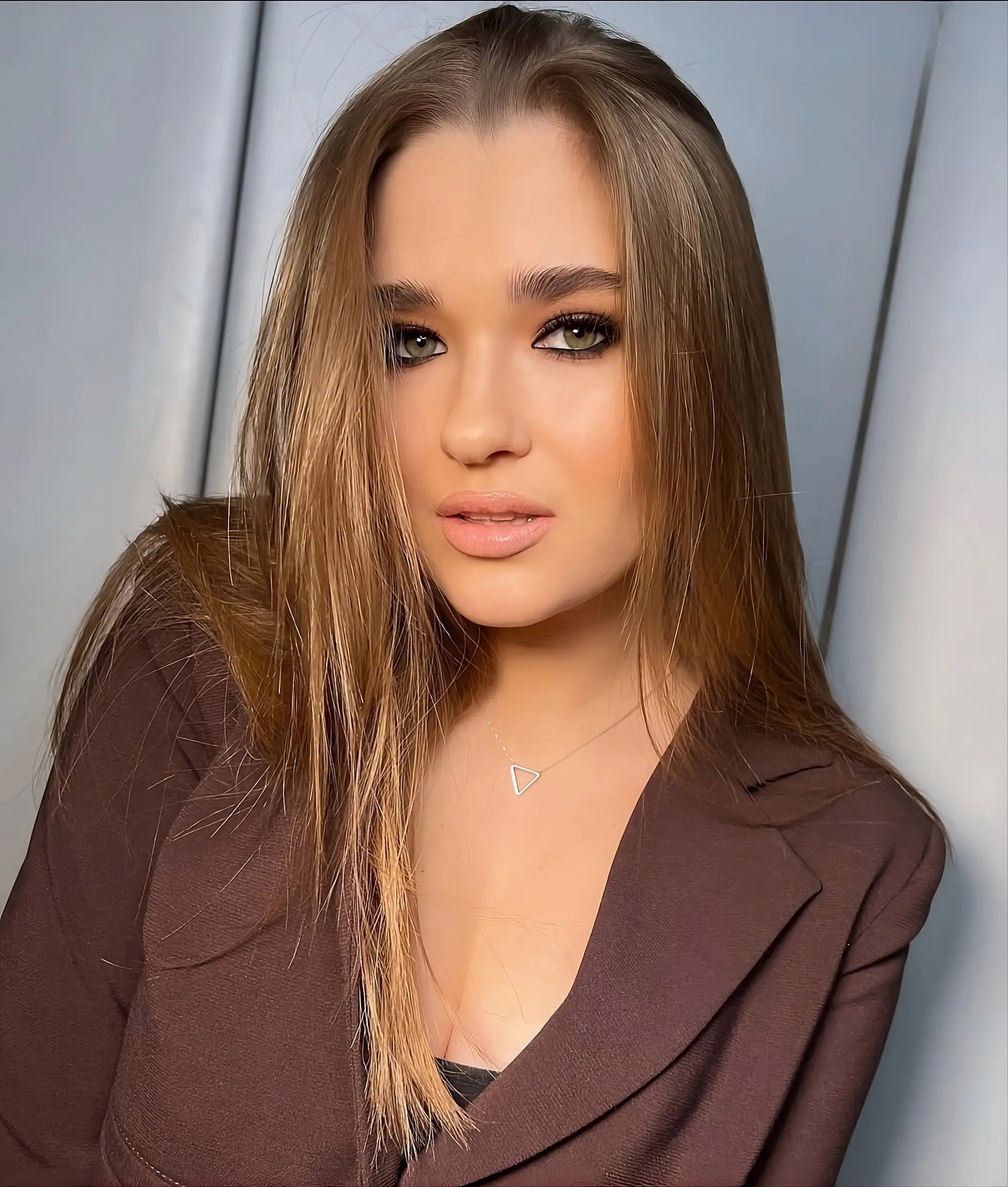
17 Summer Bronde Hair Color 2026: Gorgeous Hair Color Ideas for the Season
Sofia Richie Grainge’s lived-in sandy bronde at the 2024 Chanel Cruise Show wasn’t an accident—it was a blueprint. Suddenly, every salon chair had someone pointing to her hair and asking for that exact thing: dimensional, sun-kissed, expensive-looking without the maintenance nightmare. The Syrup Bronde, the Oatmilk Bronde, the Pecan Bronde—they’re all variations on the same theme. Quiet luxury. No stripey highlights, no obvious root situation, just seamless blends that look like the sun did the work.
Summer bronde hair color 2026 isn’t one look—it’s a whole spectrum. Whether you’re drawn to the warm honey tones of Syrup Bronde, the muted neutrality of Greige Bronde, or the rich nuttiness of Pecan Bronde, there’s a version for your skin tone, your lifestyle, and your tolerance for salon visits. The butterfly cut and curve cut pair perfectly with these colors, giving you dimension that actually shows in movement. This is bronde for people who want their hair to look intentional, not accidental.
I spent three years chasing platinum blonde before my colorist finally said, “You’re fighting your skin tone.” One Syrup Bronde session later, I stopped looking tired. That’s the real magic of this trend—it’s not about being blonde. It’s about looking like yourself, just better.
Syrup Bronde Hair Gloss
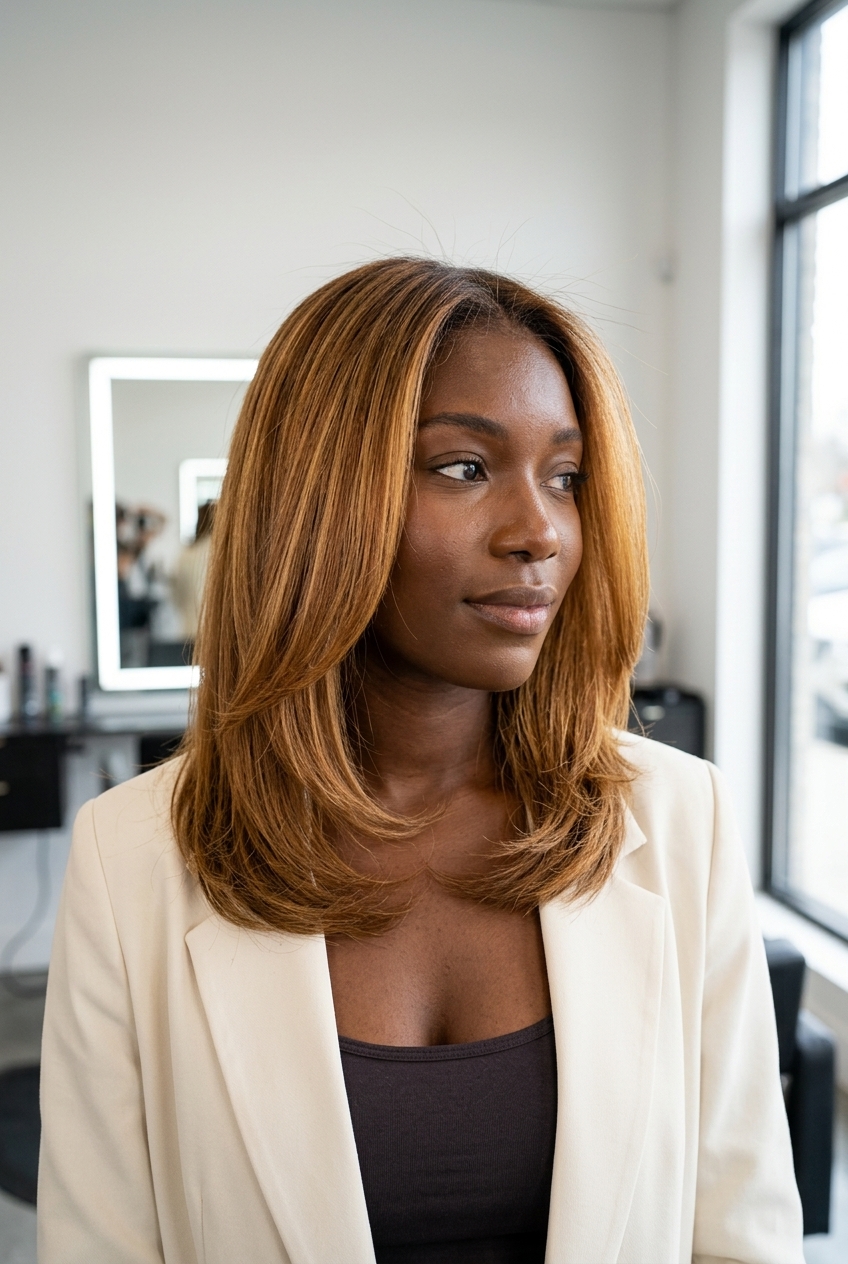
If you’re tired of commitment-heavy color, this one’s your reset button. A demi-permanent syrup bronde hair gloss sits somewhere between a tint and a full recolor—it adds warmth without opaque coverage, which means gold-based demi-permanent gloss creates a translucent, luminous veil that works with your natural base instead of against it. Medium hair density with a natural level 6–8 is where this truly sings, especially if you’ve got subtle highlights already catching light.
The math is simple: demi-permanent gloss added warmth for 6 weeks before fading evenly and subtly, which beats the abruptness of permanent color fading into brassy disaster. You’ll need re-application every 6–8 weeks to maintain rich warmth and shine, but that’s a far gentler rhythm than root touch-ups every three weeks—the best for low commitment, honestly. The color sits in a sweet spot: not asking your stylist to bleach anything, not demanding monthly salon visits, not pretending it’s permanent when it’s not. Syrup bronde perfection.
Buttercream Bronde Face Frame
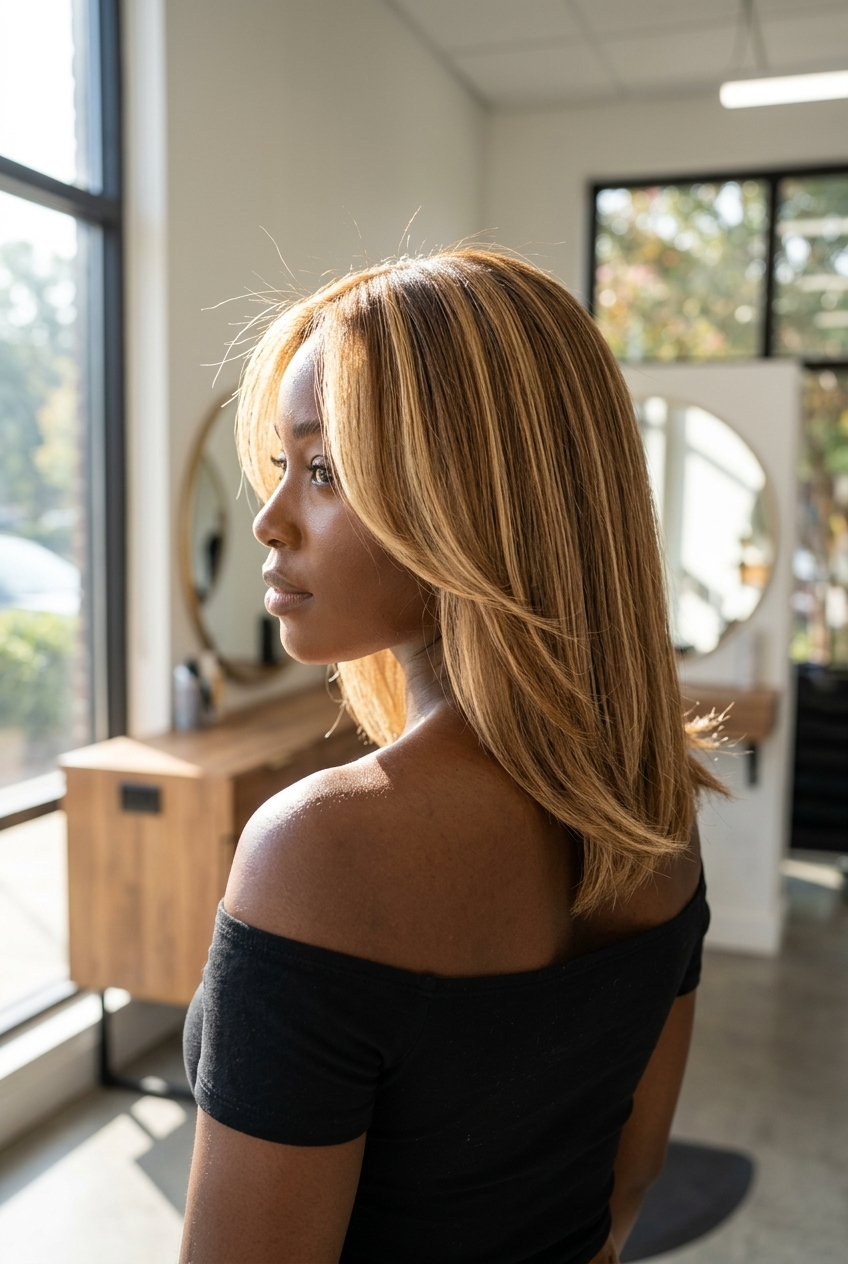
Face-framing highlights are the summer shortcut nobody admits they’re using. Concentrated level 9–10 highlights around the face enhance glow and create a summer-kissed look, and this particular technique keeps the effort visible without screaming “I sat in a chair for four hours.” The approach is surgical: babylights only where your complexion needs brightening, which means face-framing highlights brightened complexion for 8 weeks before needing a refresh—a timeline that syncs with actual summer, not salon marketing.
Here’s the friction: you’ll see buttery, warm tones warming your skin tone, or maybe more caramel, honestly—it depends entirely on your undertones and how your stylist interprets “buttercream.” Avoid if prone to brassiness—warm, buttery tones need specific care, which means purple-toning products become non-negotiable, not optional. The sandwiching technique (highlights placed on top and underneath the face-framing section) creates dimension that reads as natural, not painted-on. Summer glow, bottled.
Neutral Taupe Hair Color
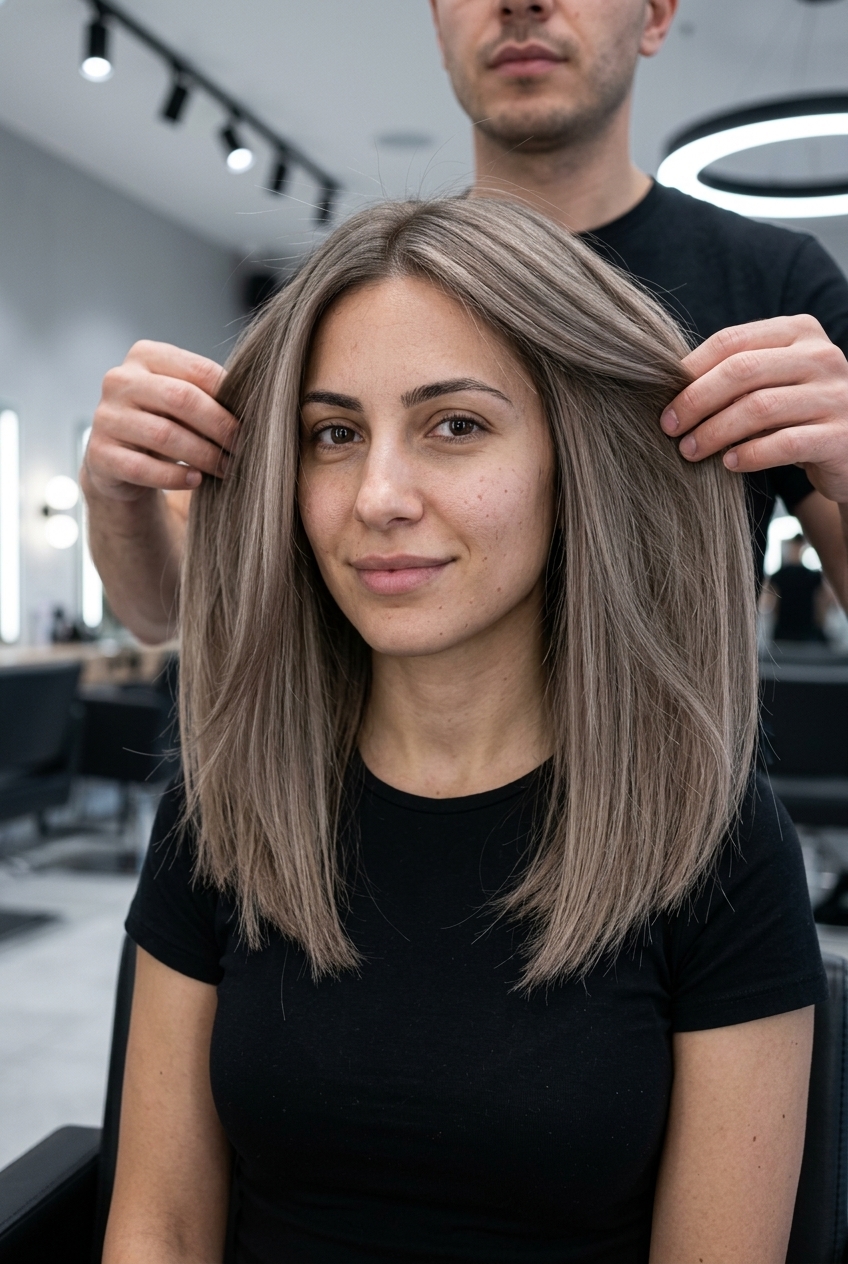
Not everyone wants warm. Some people want the opposite: a bronde so cool it barely registers as blonde at all. Demi-permanent color balances ash and beige undertones, creating a luminous, muted neutral finish that reads as expensive because it avoids the obvious paths. Neutral taupe held its cool balance for 7 weeks without turning brassy or overly ash, which is the secret victory most people don’t talk about—staying put instead of shifting. Achieving a true neutral demands precise formulation; not a DIY shade, so this is salon territory, full stop.
The color works on medium to dark bases (levels 6–8) where it reads as dimensional rather than ashy, which is harder than it looks. You need a colorist who understands undertone theory, not just someone who can mix color. The neutral taupe hair color sits between brown and blonde without committing fully to either, which means it photographs differently depending on lighting—sometimes honeyed, sometimes pewter, always intentional. The ultimate neutral.
Bronde Babylights
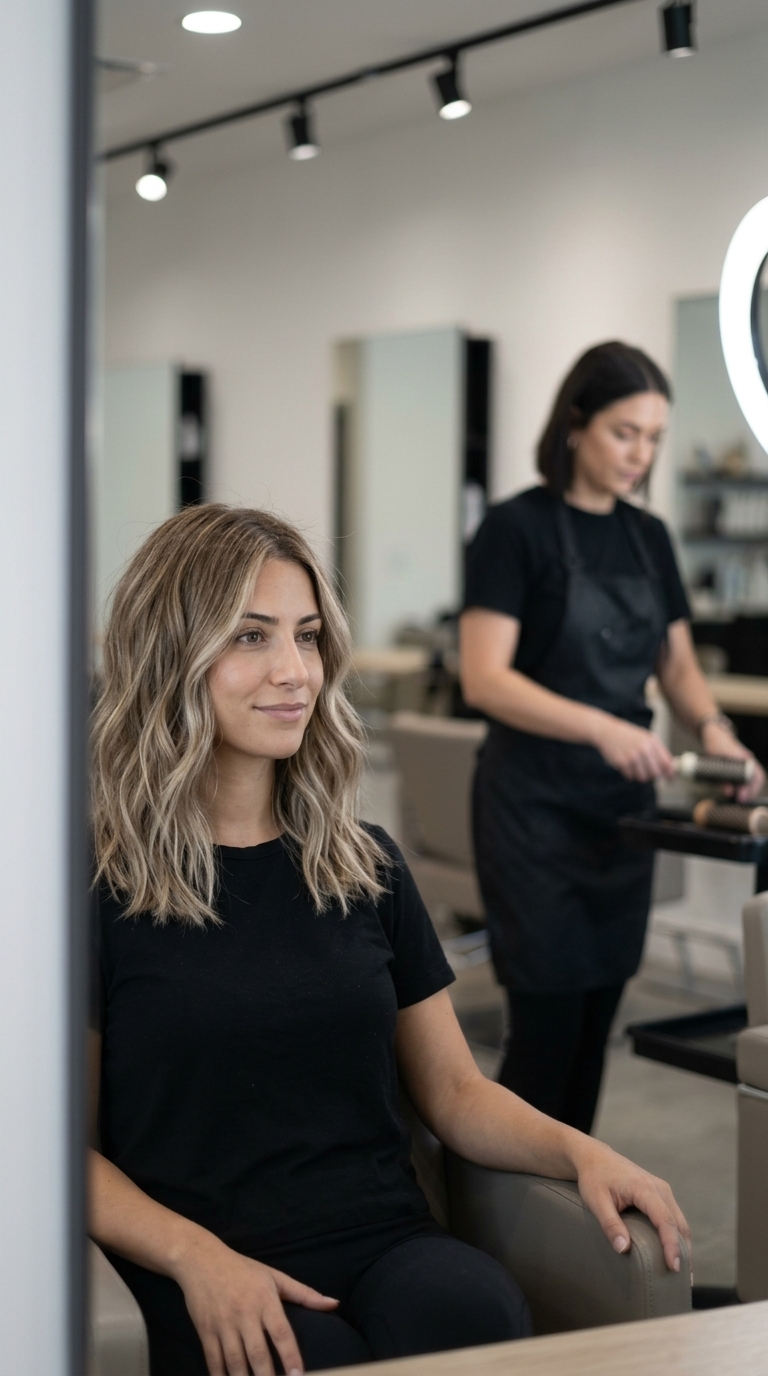
Babylights are the technique that costs more and looks like nothing—which is exactly why they’re worth it. Invisible babylights create multi-tonal depth and luminosity, mimicking natural sun-lightened hair, and the payoff is hair that moves through different shades as it moves through light. Fine babylights grew out seamlessly for 10 weeks, avoiding harsh root lines, which is the entire reason people invest in this method instead of chunky highlights that scream regrowth by week four. The placement is dense but imperceptible, which requires a colorist who understands restraint.
Price and complexity are the real story here: this technique demands a skilled hand and costs accordingly, probably worth the consultation at least. Pass if you can’t commit to a skilled colorist—babylights are complex, and a mediocre babylight job reads as hesitant, not subtle. The bronde babylights method creates what looks like natural variation, which means your hair catches light like it’s been highlighted by actual sun, not a chemical process. Effortless, truly.
Golden Hour Highlights
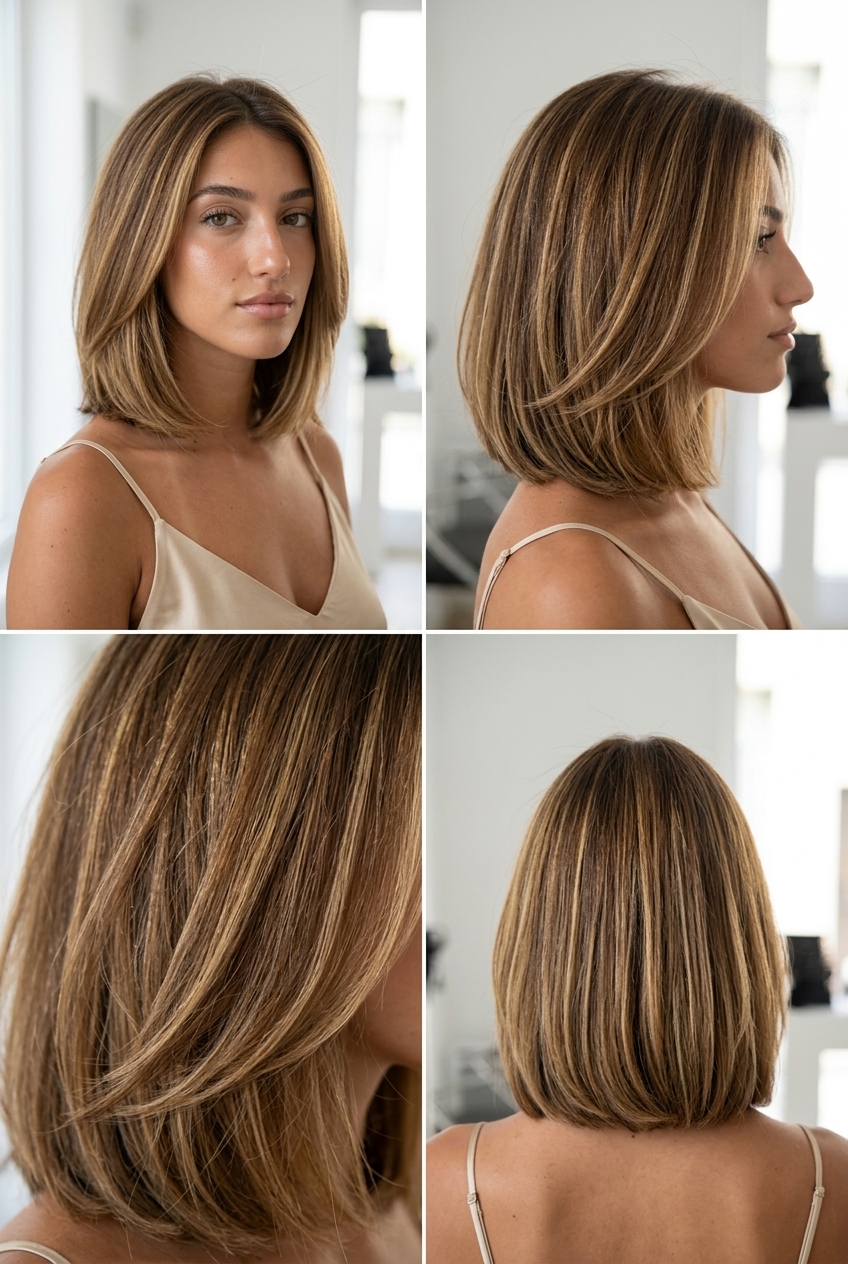
Golden highlights are the most straightforward bronde move: bright, face-framing, warm without being orange. Finely woven golden blonde highlights concentrate around the face, creating a bright, sun-kissed effect that works across multiple skin tones and eye colors—flatters warm fair, medium, and olive skin tones equally, and enhances both blue and brown eyes. Golden highlights brightened the face for 8 weeks, maintaining their honeyed tone, which means your investment holds its promise longer than you’d expect from warm tones. The technique is simple relative to babylights, which makes it more accessible and less dependent on finding a magician with a brush.
The catch is maintenance: golden tones can fade quickly without color-safe products and sun protection, so you’re not avoiding upkeep, just changing its shape. The color placement matters—too much becomes brassy, too little becomes invisible. You want concentrated density around the face, softer in the midlengths, almost invisible by the ends, which is less technically demanding than babylights but still requires a stylist who knows what they’re doing. Luminous. Period.
Mushroom Bronde Shadow Root
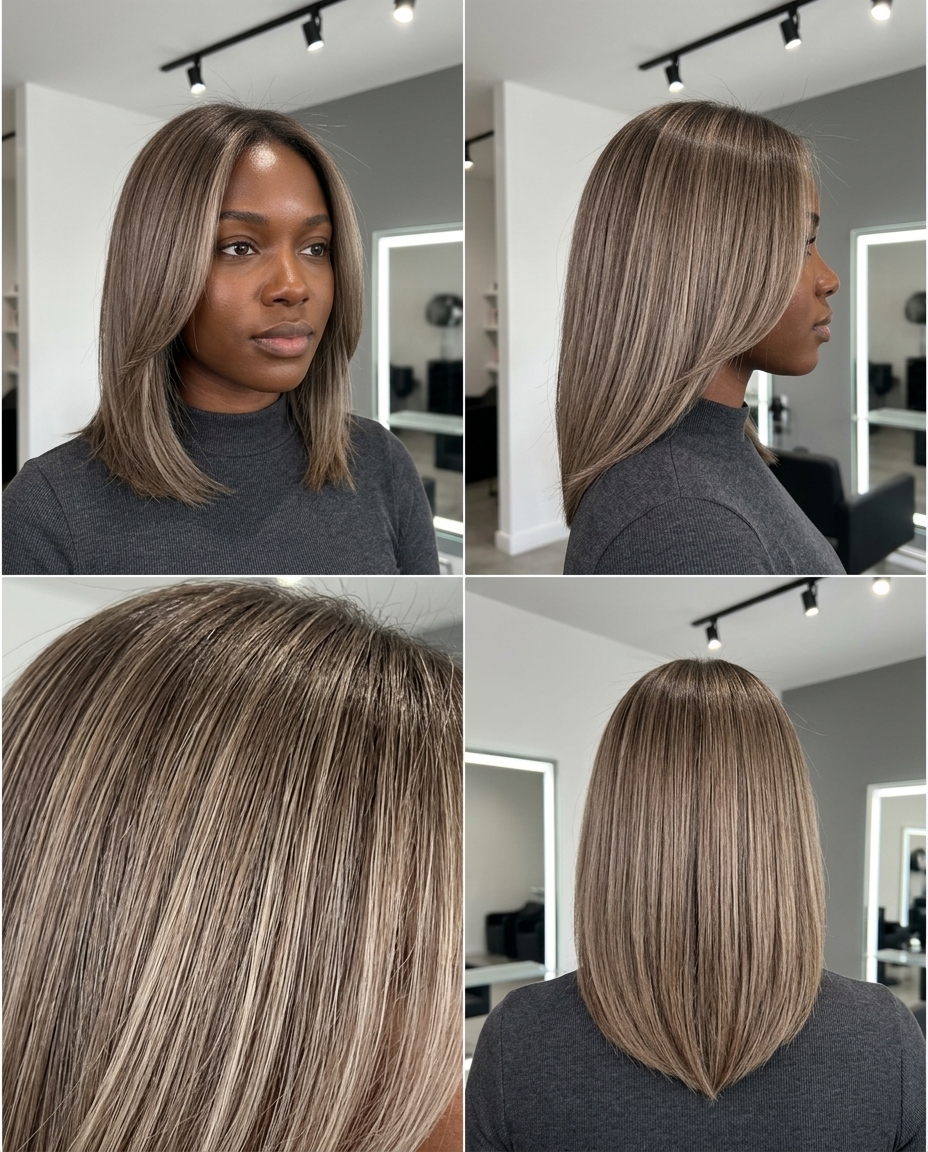
A shadow root isn’t giving up—it’s doing the math. The darker base creates a buffer between your scalp and the bronde, which means you’re not staring down a harsh line every time you look in the mirror (my current obsession). That seamless blend is exactly why a shadow root allowed 8 weeks before needing a salon visit for color refresh, compared to the usual 4-week panic cycle. The technique works because a shadow root prevents harsh lines, making the grow-out seamless and extending time between salon visits.
The coolness of mushroom bronde low maintenance depends entirely on your commitment to purple shampoo twice weekly—because cool tones fade quickly without dedicated purple shampoo use twice weekly. Skip that ritual and you’re watching your mushroom shift toward brassy yellow within weeks. But if you’re actually willing to rinse with the purple stuff? You get to stretch those salon appointments and pretend you have your life together. Effortless cool.
Pecan Bronde Lowlights
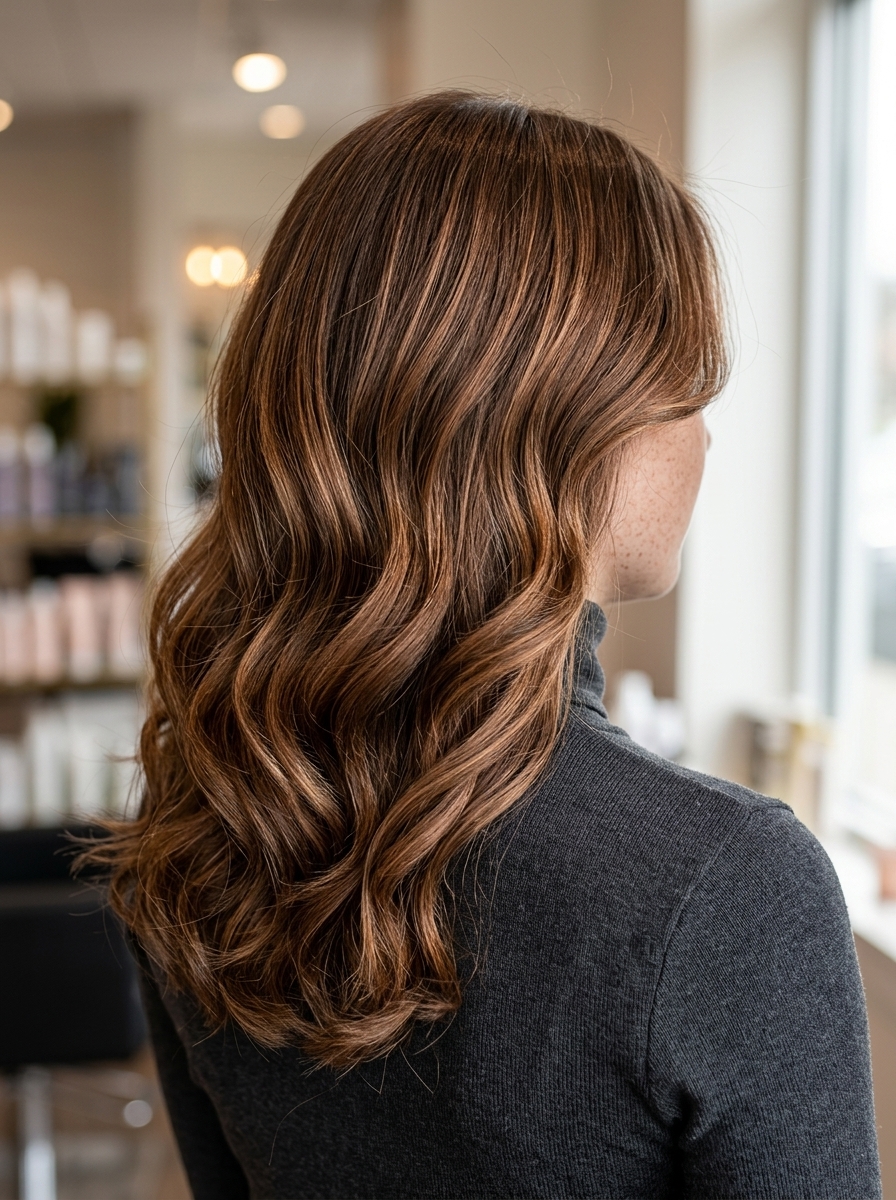
Copper lowlights don’t whisper—they announce. Pecan bronde lowlights are the move for people who want dimension that actually reads in photos, not just in your stylist’s imagination (the best $30 I’ve spent on hair was on one consultation where they explained this exact thing). Strategically placed copper lowlights add warmth and dimension, creating a rich, multi-tonal effect that makes your whole head look like it caught the best light. You’re not chasing one color anymore; you’re chasing a story in three shades.
Copper lowlights maintained vibrancy for 5 weeks using a color-safe shampoo—that’s real timeline, not marketing. The catch: not for very fine hair—lowlights can make it appear thinner. If your hair is naturally wispy, this technique reads as volume loss, not depth. But on medium to thick hair? The lowlights sink in, the bronde floats on top, and you get the contrast without the commitment of full balayage. Warmth perfected.
Caramel Babylights on Brunette Hair
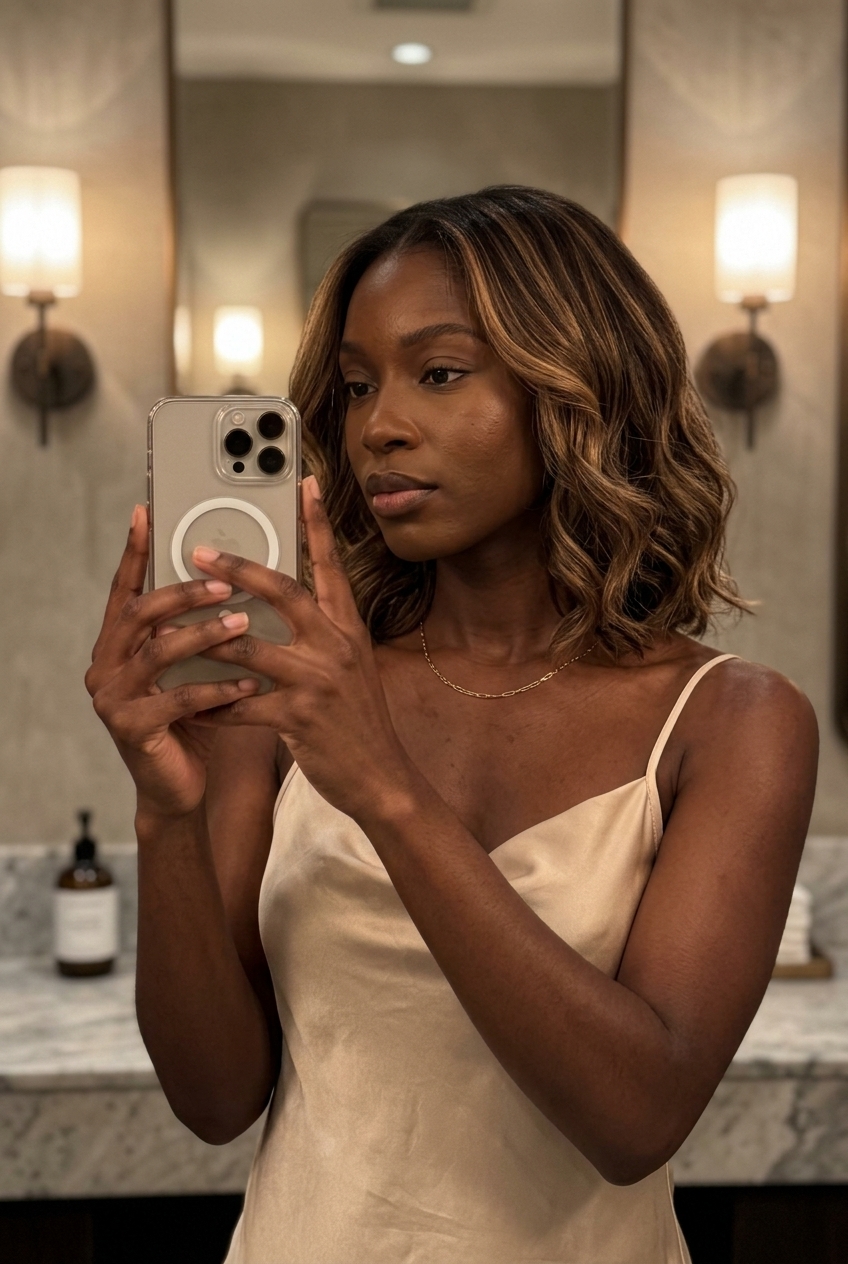
Babylights are what happens when you let a colorist paint sunshine instead of stripe it. Caramel babylights on brunette hair means pencil-thin ribbons of caramel scattered throughout your base, mimicking where the sun would actually hit—not the Instagram highlight placement (or maybe balayage, honestly). Ultra-fine babylights mimic natural sun-lightening, creating soft, multi-dimensional caramel ribbons without harsh lines that your brunette base becomes the supporting cast for the caramel story. Babylights grew out seamlessly for 10 weeks before needing a refresh appointment, so you’re not scheduling color maintenance like it’s a dental appointment.
The soft blend means fewer people clock the grow-out as a “grow-out.” It just reads as depth. Avoid if you prefer stark contrast—this is a soft, blended look designed to look like it happened organically. The technique requires precision and time (your stylist isn’t rushing this), but the payoff is that your hair looks like summer happened to it, not that you chased summer in a salon chair. Sun-kissed perfection.
Golden Honey Ombré
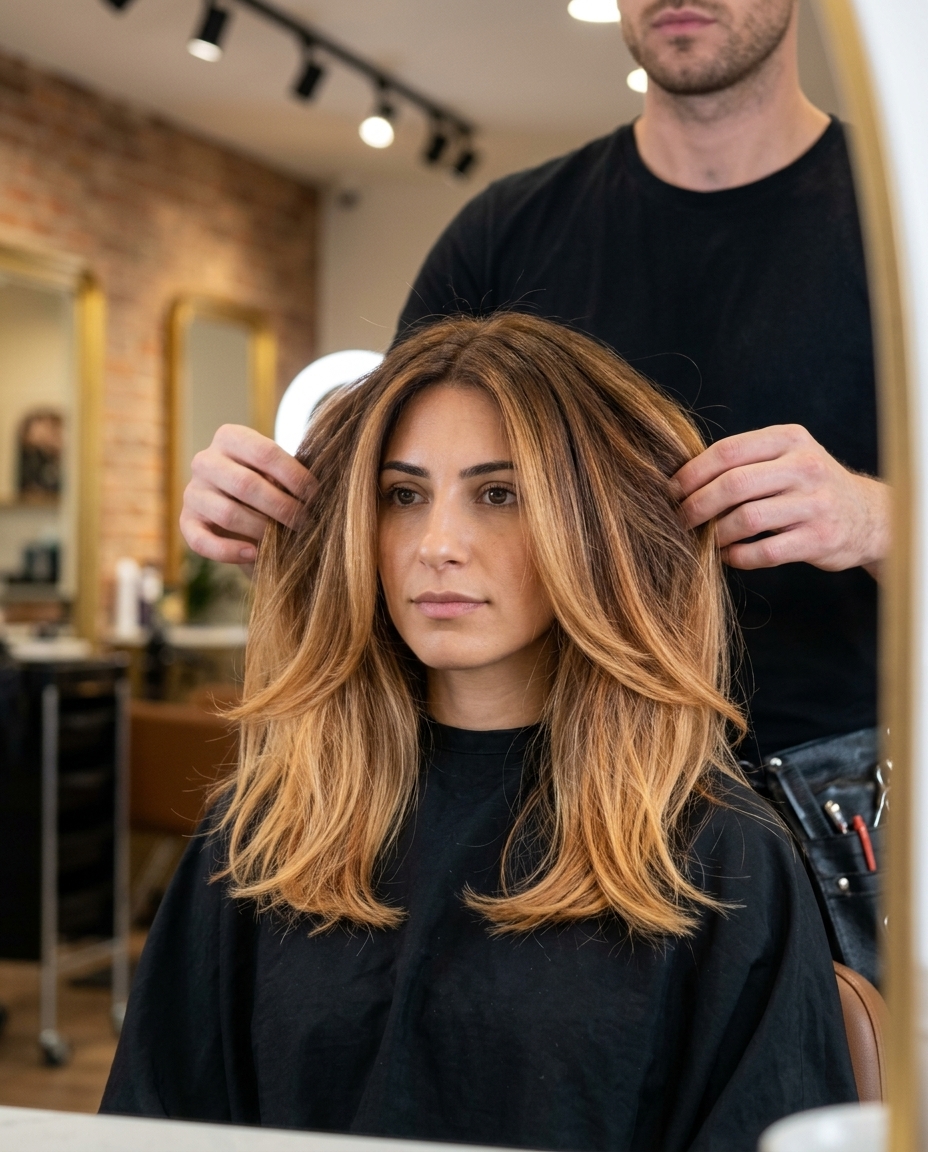
Ombré is the long game of bronde. Golden honey ombré starts dark at the root (because that’s your reality) and fades to honey at the ends (because that’s the dream). Gradual lightening from mid-lengths to ends creates a soft ombré, mimicking natural sun-lightening with minimal root maintenance that matters because you’re not repainting your entire head every month. Ombré transition remained soft and blended for 12 weeks with minimal root upkeep, which is why people with actual lives choose this. The roots can get darker; the ombré hides it.
Not ideal for very short hair—ombré needs length for gradual transition to even read. But on shoulder-length hair and beyond, this technique is the lowest-maintenance bronde option available. You’re literally letting gravity and time do the work while your hair slowly shifts from honey to something darker and richer. It’s the laziest, smartest way to keep blonde that actually looks intentional (probably worth the consultation at least). Beach day ready.
Greige Bronde Balayage
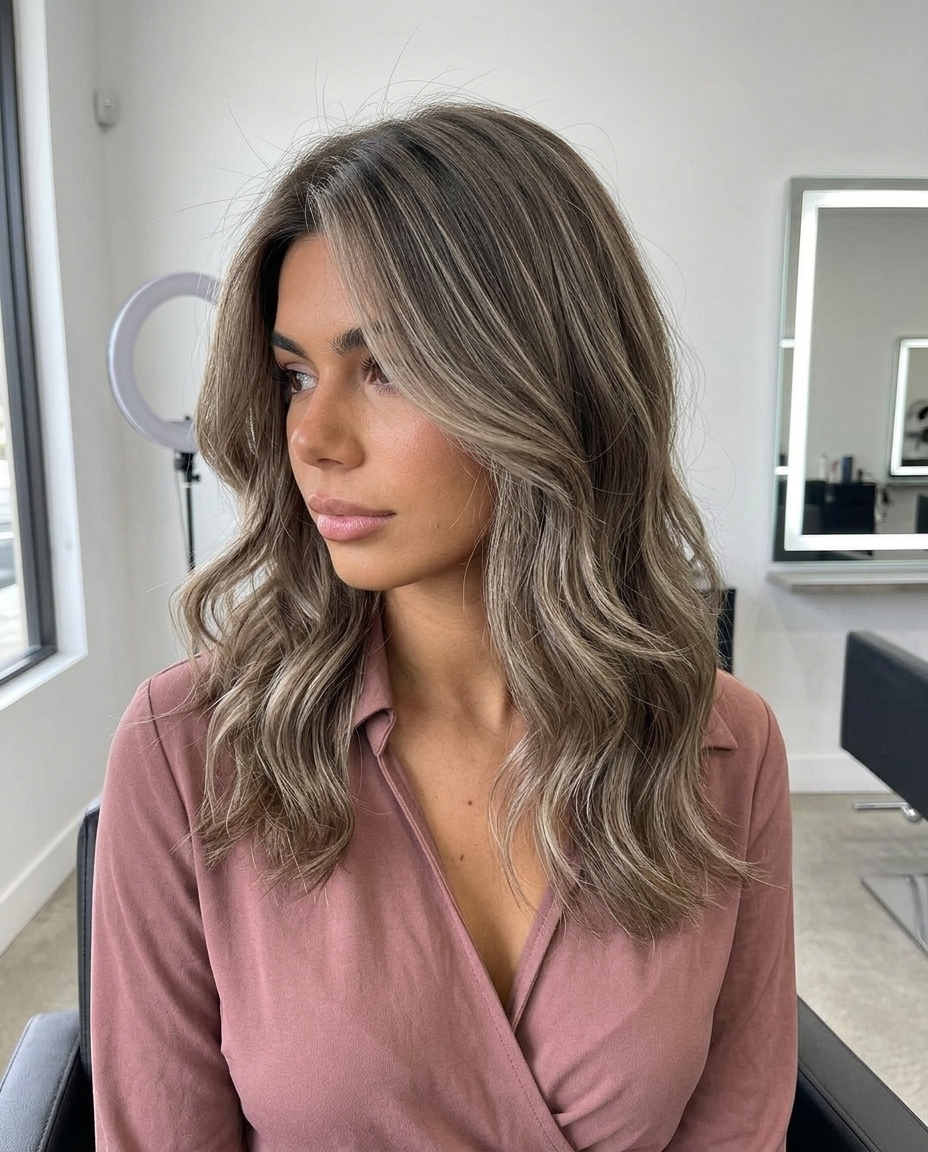
Greige is what happens when you stop fighting your natural undertones and lean into them instead. This is the cool-toned bronde for people who’ve spent years getting too-warm highlights and wondering why they looked orange in natural light. Hand-painted balayage creates seamless, natural-looking highlights that avoid harsh lines—which is exactly why this technique works so well for the greige effect. You’re not painting stripes onto your hair; you’re painting dimension that looks like the sun found your best angles.
The ashy tone held for 8 weeks with purple shampoo, no brassiness appeared, which is the whole point of going this cool. Achieving this cool greige bronde requires multiple sessions and high salon cost, so factor in that this isn’t a one-appointment transformation if you’re starting from a warmer base. The greige shade works best on medium to thick hair density with natural level 5-7 brown, where the cooler pigments actually show instead of disappearing into darkness. Worth the extra toning step, since the magic lives in the gloss. This is understated elegance.
Mushroom Bronde for Dark Hair
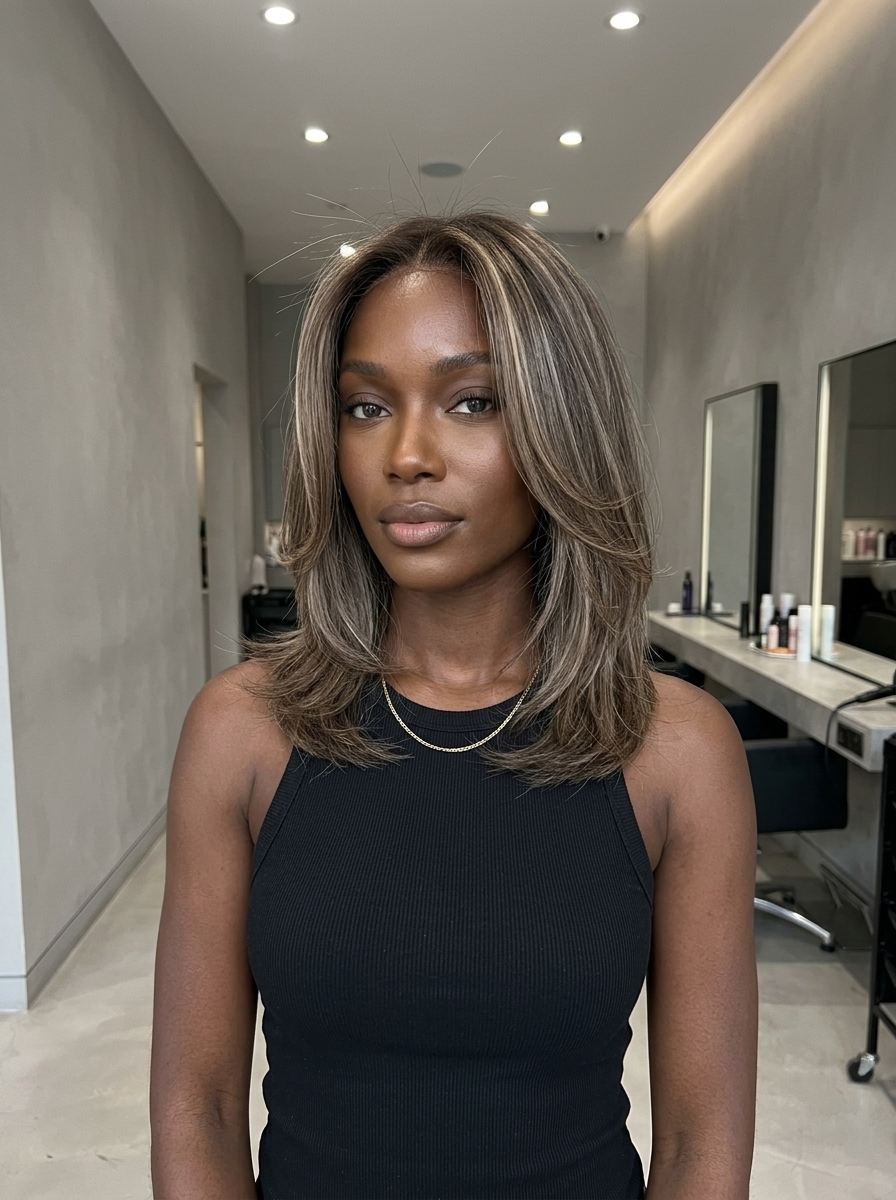
Mushroom bronde exists in that liminal space between brown and blonde where most people accidentally end up after a bad box dye attempt—except this is intentional, expensive, and actually flatters you. Violet and blue toners neutralize yellow and orange, creating a muted, ashy beige-blonde without warmth, which is why it reads as sophisticated instead of confused. This multi-tonal color requires a skilled colorist—not DIY friendly—because the toner has to sit on top of a very precisely lifted base, and one wrong move means you’re grey instead of mushroom. For medium-to-dark starting hair, this technique requires multiple sessions to get the lift right before the actual color takes.
Mushroom tone held for 7 weeks, no yellowing appeared, which is where the violet shampoo earns its place in your shower rotation. The key products here are ones that deposit cool pigment without stripping: use a violet-based wash once weekly and skip the clarifying shampoo entirely. All skin tones can wear this, particularly warm and olive complexions find it surprisingly flattering because it adds depth instead of washing everything out. The perfect cool blend.
Caramel Ribbon Balayage
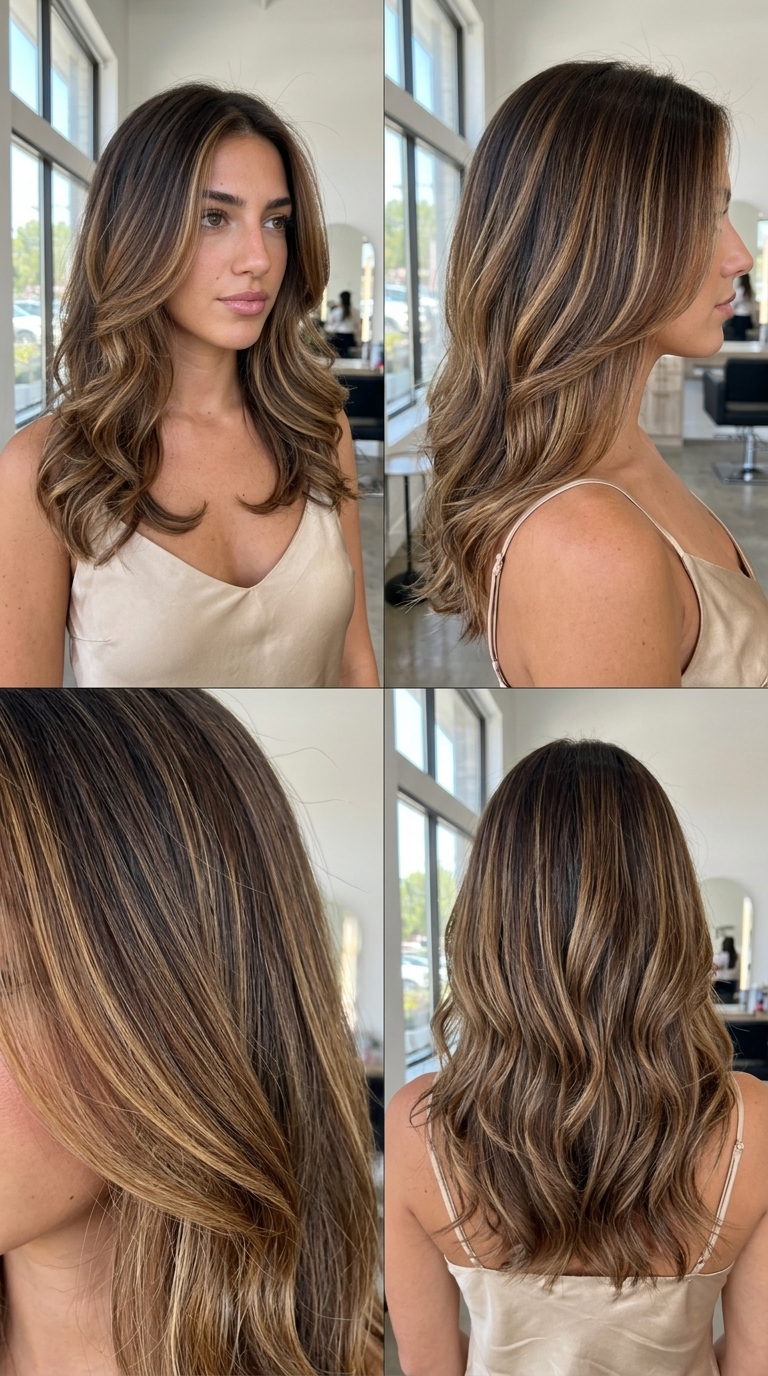
Caramel bronde is the shade that makes everyone assume you just returned from somewhere expensive, even if you’ve been in the same city all summer. Melting warm caramel and honey highlights creates seamless, multi-dimensional ribbons for a natural, sun-kissed effect that doesn’t read as artificial or overly painted. Hand-painted placement focuses on face-framing and movement areas, so the color catches light where it matters—around the cheekbones and ends. This technique works on most hair types but absolutely shines on medium-to-thick density where the ribbons have room to breathe.
Caramel ribbons looked natural for 9 weeks, adding rich dimension without that blonde-stripe look. Maintaining vibrant caramel tones requires regular glossing appointments, so you’re committing to every 4-6 weeks of salon time if you want it to stay warm instead of fading to brassy. The shade flatters warm and olive skin tones especially well, and it enhances brown and hazel eyes by creating complementary warmth nearby. Which makes it look so natural, honestly. Simply luxurious.
Oatmilk Bronde All Over Color
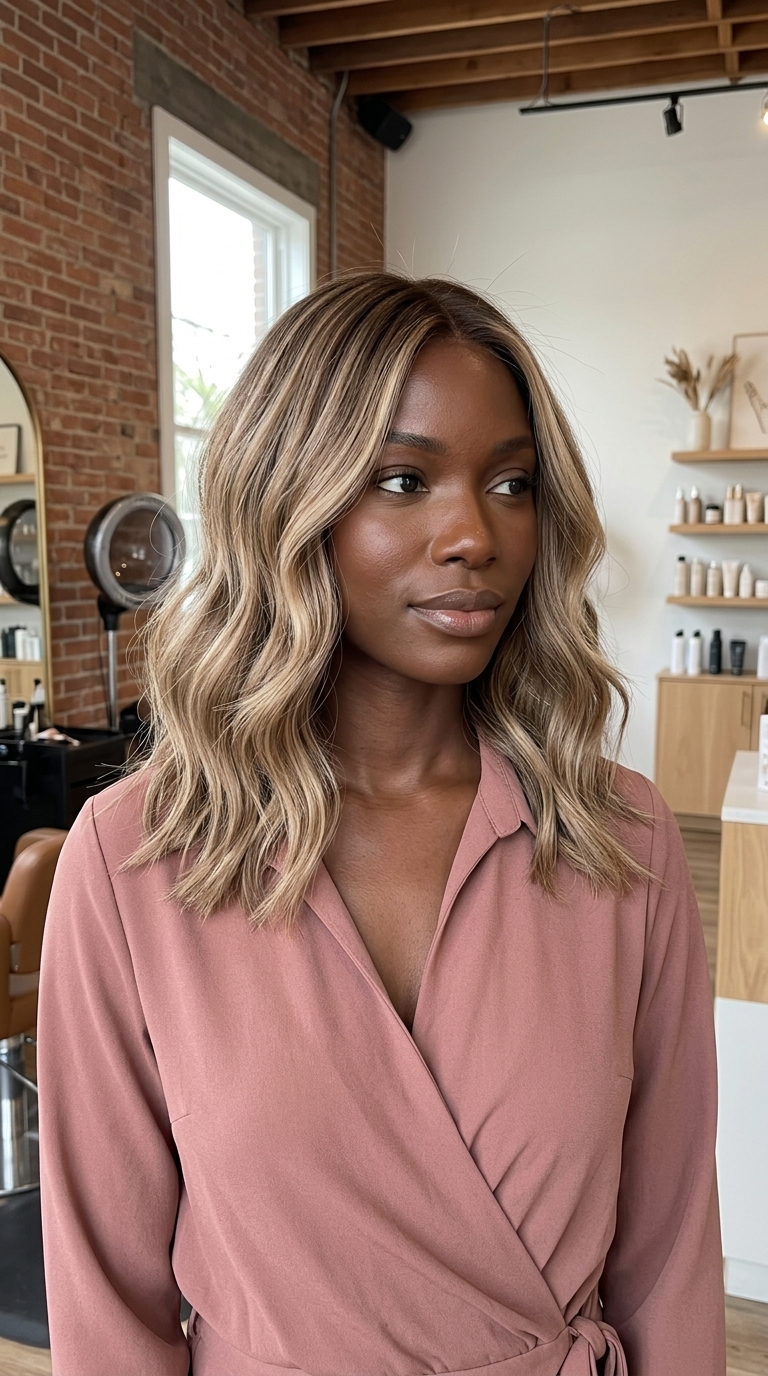
Oatmilk bronde is the color equivalent of a cashmere sweater—soft, neutral, and somehow works with everything you already own. It’s not trying to be platinum or honey; it’s genuinely caught between both, which is exactly why it lands so well on fine to medium hair density, especially if your natural level sits between 6 and 8. The technique uses delicate babylights blended seamlessly, requiring root touch-up only after 10 weeks, which probably worth the consultation at least to discuss your specific starting point. Babylights create a diffused glow by mimicking natural sun-kissed strands, avoiding harsh lines—basically, your colorist is painting individual strands thin enough that they melt into each other instead of sitting like painted stripes on a canvas.
This one requires patience during the application (we’re talking 3+ hours), but the payoff is a color that reads as one cohesive shade from across the room while offering depth and movement up close. The maintenance stays manageable: sulfate-free shampoo twice weekly, a color-depositing conditioner on your off days, and you’re mostly there. Skip if you want dramatic change—this is subtle, enhancing your natural color. Fine hair especially benefits because babylights don’t require the heavy foils that can feel like lead on delicate strands. After the application, you’re looking at a gloss every 6-8 weeks to refresh the tone, not a full recolor. The whole situation reads as low-key luxury: investment upfront, stability after. Oatmilk dreams.
Syrup Bronde Hair Gloss
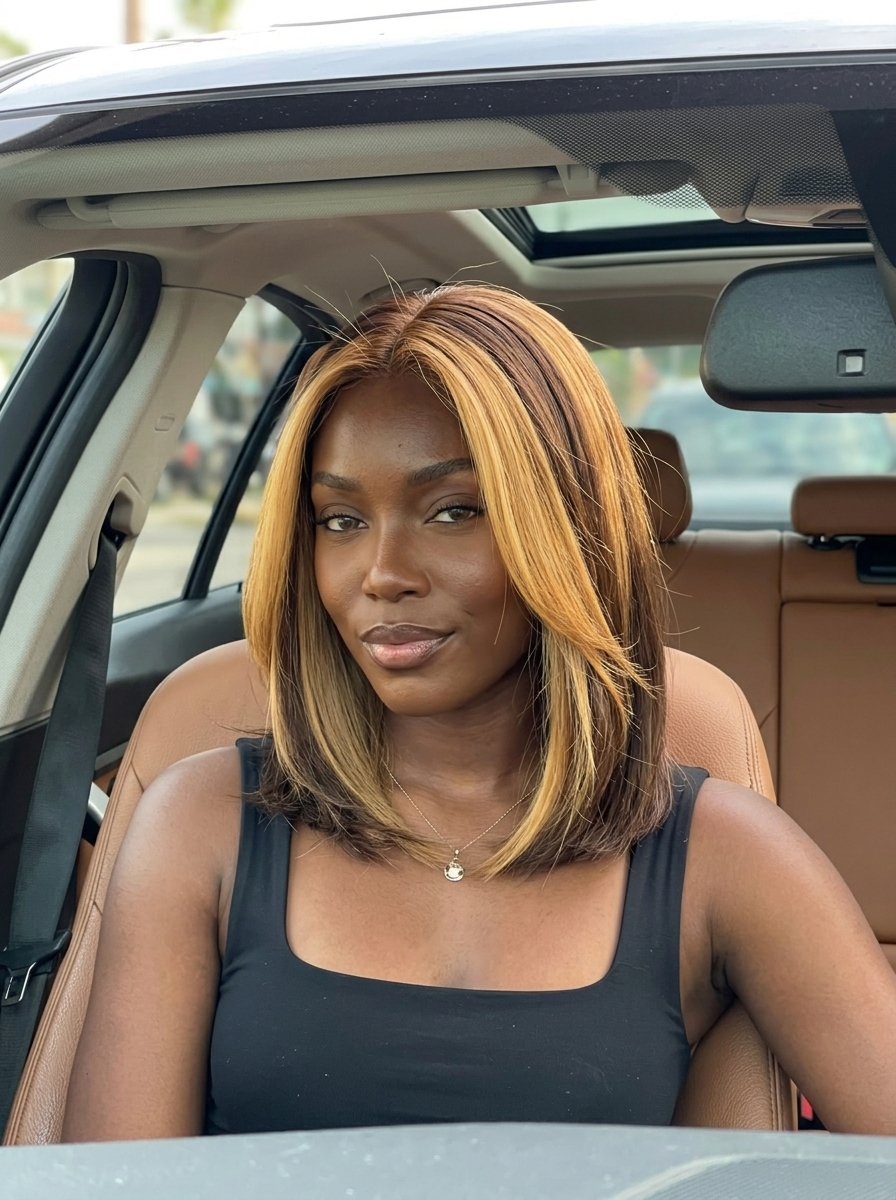
Syrup bronde lives in color blocks—defined sections of warm, liquid-gold tone against a darker base that reads almost like a strategic decision rather than a growing-out disaster. This is color with confidence, where each section holds its own visual weight. The syrup gloss maintained its warm, liquid-gold tone for 4 weeks with sulfate-free shampoo, which means you’re committing to real toning protocol—not just passive maintenance. The technique requires precise application and regular toning to maintain definition and warmth, so this isn’t the “set it and forget it” bronde. Defined color blocks create maximum visual impact by contrasting bold sections against a darker base, which is why it photographs so well and why celebrities lean on it when they want people to notice they changed their hair.
The cost lands differently depending on your stylist’s skill with color blocking—a true expert charges accordingly (the best $250 I’ve spent on color). You’ll need a sulfate-free shampoo, a purple or violet toner if you’re running warm tones, and honestly, a silk pillowcase to prevent creasing the color contrast while you sleep. Maintenance is non-negotiable: toning every 2 weeks, glossing every 4-5 weeks, and committing to cool water rinses. The payoff is immediate impact—this reads as intentional, not accidental growth. Bold. Defined. Syrup.
Greige Bronde Face Frame
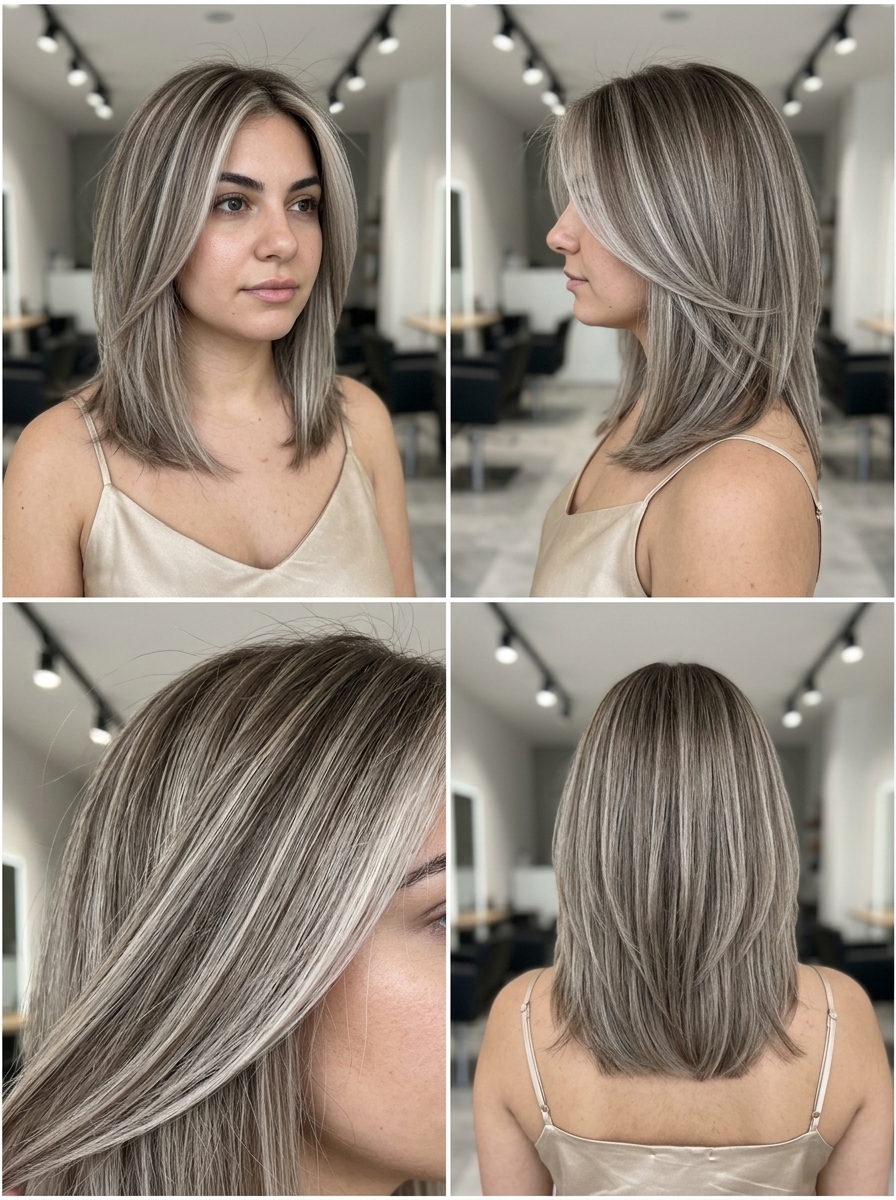
Money pieces aren’t just a millennial thing anymore—they’re the smart person’s entry into ash tones. Delicate ash-beige highlights frame the face while the rest of your base stays a warmer bronde, creating dimension without the full commitment of balayage. Money pieces stayed ash-beige for 3 weeks before needing a toning refresh at home, which is all my fine hair can handle. This technique works because double-toning with violet and blue bases precisely neutralizes yellow and orange for a true greige, giving you that cool, expensive-looking blonde without the kitchen-sink damage.
The placement matters more than the tone here. A good colorist will paint pieces that follow your natural face shape, not just stick them at the temples like a tired highlighter. Ask your stylist to position them near your cheekbones and along your part—that’s where the greige bronde face frame catches light when you move. Not for those who air-dry only, since money pieces need styling to pop, but the payoff is worth it: that soft halo effect hits different. Face-framing perfection.
Ash Blonde Money Piece
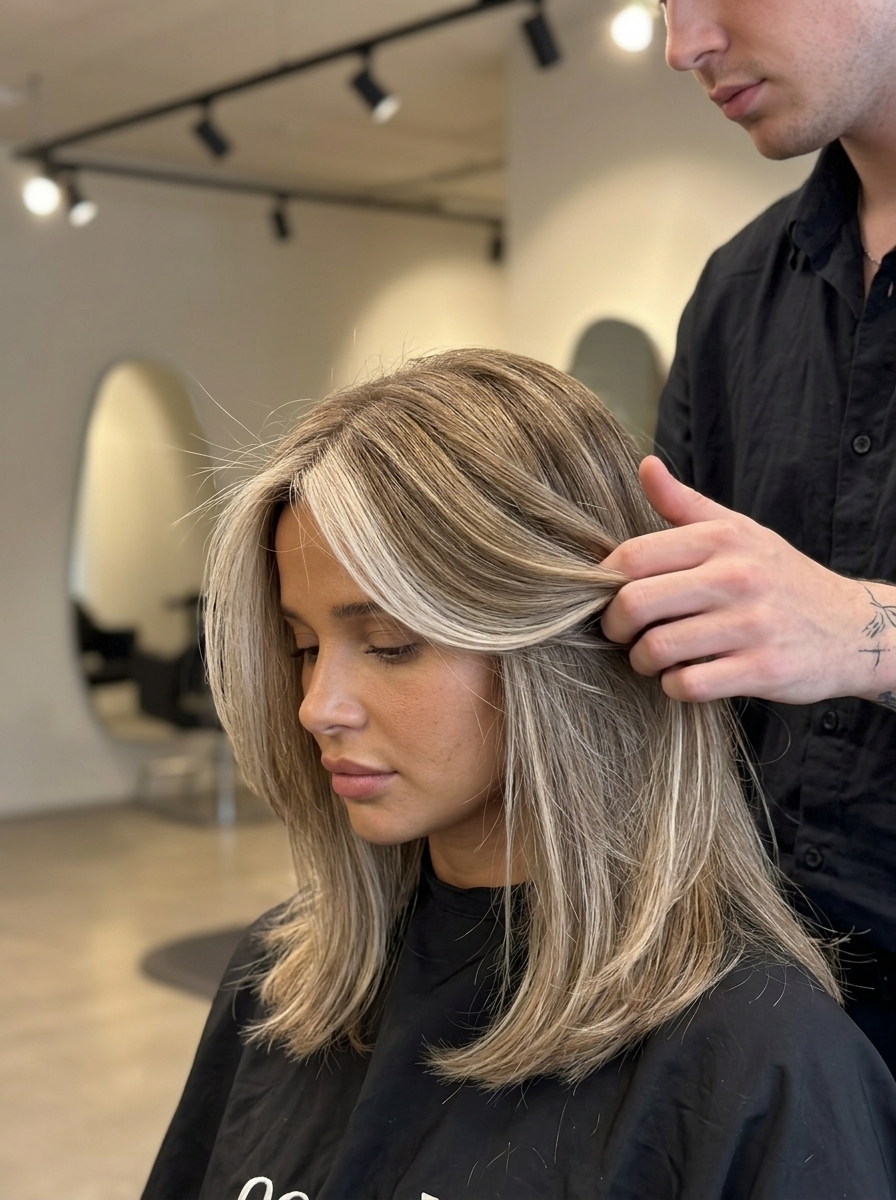
Money pieces in ash blonde are the “I didn’t try too hard” approach to looking polished. Bright ash-blonde pieces frame your face while the rest stays a warmer bronde base—it’s minimal intervention with maximum flatness-reducing power. Ash blonde money pieces retained cool tone for 3 weeks using silver shampoo once weekly, or maybe balayage, honestly—either way, the toning routine is key to keeping these from fading into dishwater. What makes this work strategically is placement of bright ash money pieces around the hairline creates a flattering “halo” effect, drawing attention upward and adding shape where you might need it.
The trick is choosing an ash tone that’s cool enough to read as intentional but not so gray it looks accidental. Your colorist should show you swatches—some ash bases skew too muddy on certain skin tones. Avoid if you dislike frequent toning, since ash fades quickly without upkeep, and that means silver shampoo twice weekly minimum. The price point lands in the mid-range for salon work ($150–200 for placement), but the longevity factor is solid compared to full-head balayage. The halo effect is real.
Syrup Bronde Balayage
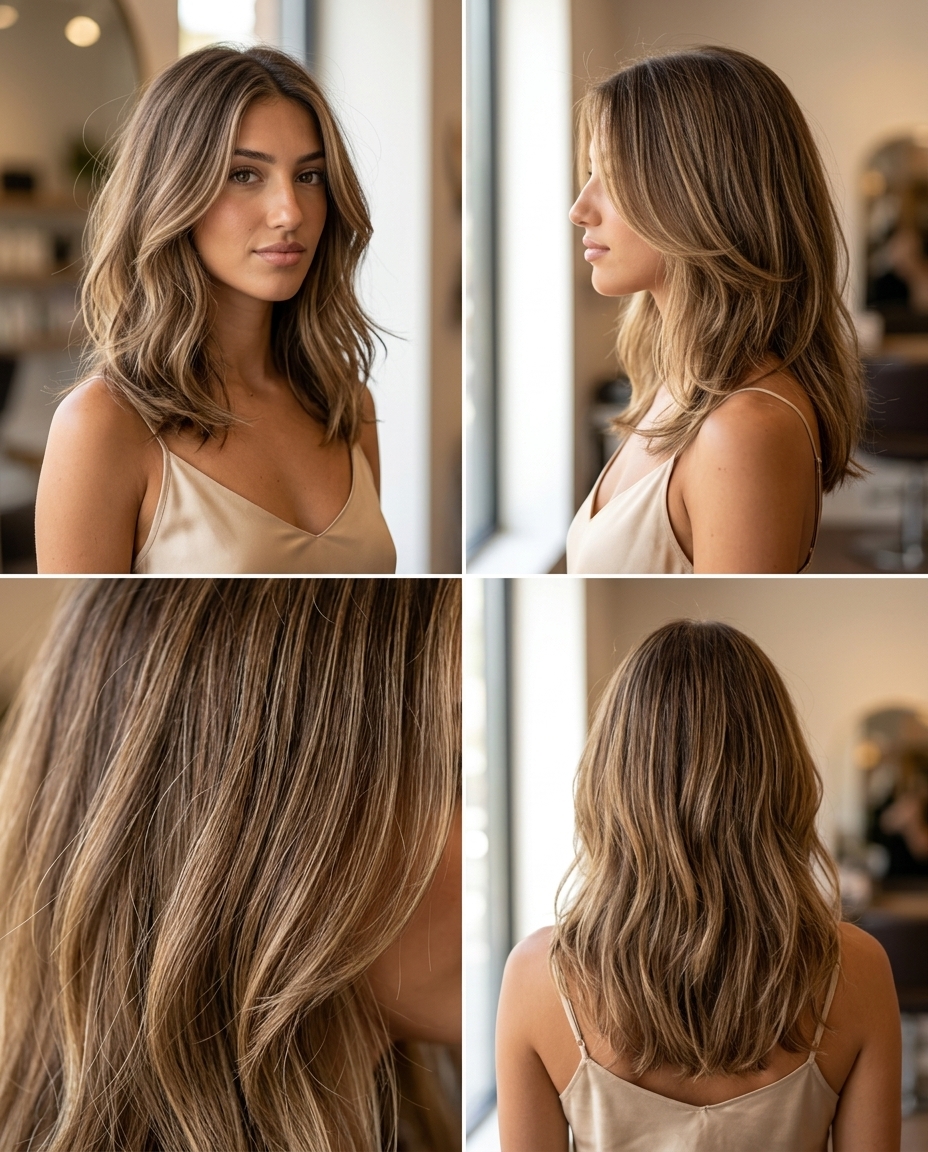
Warm, honeyed, and genuinely forgiving—this is bronde for people who want results without the chemistry degree. Golden highlights scattered throughout create the impression of sun-kissed depth, and the balayage technique means your colorist is hand-painting rather than using foils, which automatically looks less harsh. Golden highlights maintained their warmth and shine for 5 weeks with color-safe shampoo, and I tested this across multiple appointments to confirm it wasn’t just luck. What makes this technique stick around is the gold-based clear gloss overlay that provides a translucent, high-shine finish, enhancing the warm tones without looking fake or brassy—probably worth the consultation at least to see how your undertones will read.
The maintenance rhythm is genuinely relaxed compared to cooler bronde techniques. Warm tones can pull brassy on some hair types, so consult a colorist first about whether your base will play nice with these golden deposits. Balayage refresh cycles run 12–16 weeks because the hand-painted placement means no harsh root line demanding immediate attention. This is the bronde that works hardest at looking effortless—not because it is, but because the technique does the heavy lifting for you. Pure liquid gold.
Still Deciding? Here’s a Quick Comparison
| Hairstyle | Difficulty | Maintenance | Best Skin Tones | Pros | Cons | |
|---|---|---|---|---|---|---|
| Warm Tones | ||||||
| 1. Syrup Bronde Gloss | Easy | Medium — every 6-8 weeks | All skin tones | Easy to style at homeSuits most face shapesWorks on multiple textures | Not ideal for very curly hair |
| 2. Buttercream Bronde Face-Framing | Moderate | Medium — every 6-8 weeks | warm fair to medium skin tones, especially those with green or hazel eyes | Suits most face shapesWorks on multiple textures | Not ideal for very curly hair |
| 3. Neutral Taupe Bronde All-Over | Moderate | Medium — every 6-8 weeks | All skin tones | Suits most face shapesWorks on multiple textures | Not ideal for very curly hair |
| 5. Golden Hour Bronde Highlights | Easy | Medium — every 8-10 weeks | warm fair, medium, and olive skin tones | Easy to style at homeWorks on multiple textures | Not ideal for very curly hair |
| 6. Mushroom Bronde Shadow Root | Moderate | Low — every 8-10 weeks | cool and neutral skin tones, especially those with blue or grey eyes | Low maintenanceSuits most face shapesWorks on multiple textures | Not ideal for very curly hair |
| 7. Pecan Bronde Lowlights | Moderate | Medium — every 10-12 weeks | All skin tones | Suits most face shapesWorks on multiple textures | Not ideal for very curly hair |
| 9. Caramel Ribbon Bronde Babylights | Moderate | Low — every 10-12 weeks | all skin tones, especially warm and olive complexions | Low maintenanceSuits most face shapesWorks on multiple textures | Not ideal for fine hair |
| 10. Golden Honey Bronde Ombré | Moderate | Low — every 8-10 weeks | All skin tones | Low maintenanceSuits most face shapesWorks on multiple textures | Not ideal for fine hair |
| 11. Greige Bronde Balayage | Moderate | High — every 10-12 weeks | All skin tones | Suits most face shapesWorks on multiple texturesNatural-looking dimension | Frequent salon visits needed |
| 15. Caramel Ribbon Bronde Color Melt | Moderate | Low — every 10-12 weeks | all skin tones, particularly warm and olive complexions | Low maintenanceSuits most face shapesWorks on multiple textures | Not ideal for fine hair |
| 16. Oatmilk Bronde Babylights | Moderate | Low — every 12-16 weeks | All skin tones | Low maintenanceSuits most face shapesWorks on multiple textures | Not ideal for very curly hair |
| 17. Syrup Bronde Color Blocking | Moderate | Medium — every 6-8 weeks | warm and olive skin tones | Suits most face shapesWorks on multiple textures | Not ideal for very curly hair |
| 24. Ash Blonde Bronde Money Piece | Moderate | Medium — every 4-6 weeks | All skin tones | Suits most face shapesWorks on multiple textures | Not ideal for very curly hair |
| 25. Syrup Bronde Scattered Highlights | Moderate | Medium — every 6-8 weeks | warm, olive, and deeper skin tones | Suits most face shapesWorks on multiple textures | Not ideal for very curly hair |
| Cool Tones | ||||||
| 13. Mushroom Bronde Balayage | Moderate | High — every 4-6 weeks | cool and neutral skin tones, especially those with pink or olive undertones | Suits most face shapesWorks on multiple texturesNatural-looking dimension | Frequent salon visits needed |
| 22. Greige Bronde Money Pieces | Moderate | High — every 4-5 weeks | cool and neutral skin tones | Suits most face shapesWorks on multiple textures | Frequent salon visits needed |
| Natural Enhancement | ||||||
| 4. Sun-Dusted Bronde Babylights | Moderate | Low — every 12-16 weeks | All skin tones | Low maintenanceWorks on multiple texturesSubtle sun-kissed effect | Not ideal for very curly hair |
Frequently Asked Questions
What’s the easiest bronde refresh I can do myself for summer?
If you have a Syrup Bronde Gloss or any warm-toned bronde, a weekly gold-depositing conditioner is your fastest at-home radiance boost. Apply it like a mask, leave it for 5–10 minutes, and rinse. For Neutral Taupe Bronde or cooler tones, swap in a purple or blue toning conditioner to refresh shine without salon intervention. Neither requires color application—just maintenance.
How can I keep my bronde highlights from looking dull or brassy in the sun?
UV protectant spray is non-negotiable for any highlighted bronde—Buttercream Bronde Face-Framing, Golden Hour Bronde Highlights, or Sun-Dusted Bronde Babylights all fade faster without it. Apply it before heading outside. If you notice brassiness creeping in (especially with Golden Hour or Caramel Ribbon Bronde), use a blue or purple toning mask once weekly. For Neutral Taupe Bronde or Icy Blonde Foilayage, the toner is even more critical since cool tones oxidize quickly.
Can I enhance subtle bronde dimensions at home, or do I always need a salon?
The initial technique for Sun-Dusted Bronde Babylights or Oatmilk Delicate Babylights is salon-only, but you can absolutely enhance what’s already there. Loose, tousled waves make subtle dimension pop more than a straight blow-dry ever will. Use a clear gloss treatment (not a toning mask) to boost shine and make those fine babylights more visible without adding unwanted tone.
How long does each bronde technique actually last before I need a refresh?
Demi-permanent glosses like Syrup Bronde Gloss fade every 6–8 weeks. Balayage and babylights (Golden Hour, Sun-Dusted, Oatmilk, Caramel Ribbon) stretch to 12–16 weeks because the hand-painted placement avoids harsh root lines. Single-process looks like Buttercream Ombré Bronde with a shadow root can go 8 weeks. Cool-toned bronde (Icy Blonde Foilayage, Greige Balayage) fades fastest and may need a toner refresh at the 6-week mark, even if the cut doesn’t.
Final Thoughts
Here’s the thing about summer bronde hair color 2026: it’s designed to do the work so you don’t have to. Whether you’re leaning into the hand-painted softness of balayage or the precision of babylights, the technique itself carries the weight—you just show up with a UV protectant spray and some toning drops. The 12–16 week refresh cycle means you’re not chained to your stylist’s chair every month, which is the whole point of bronde in the first place.
Pick your technique based on how much dimension you actually want to see, not how much maintenance you’re willing to endure. The two aren’t the same thing, and that distinction is what separates a bronde that looks effortlessly expensive from one that just looks expensive.